


When Magic Moments Matter: What Riviera’s Spectacular Final Round Tells Us About Modern Tour Competition
I’ve been covering professional golf for 35 years now, and I can tell you with absolute certainty: what we witnessed during that compressed stretch of holes at Riviera Country Club on Sunday wasn’t just good theater. It was a masterclass in how momentum, precision, and nerve can still dominate even when one player—in this case Jacob Bridgeman—has built what appeared to be a commanding lead.
Three extraordinary shots in the span of minutes. An eagle from the fairway. A career-first ace. A bunker shot that found the cup from 35 yards. On paper, it sounds like the kind of improbable sequence you’d script for a made-for-TV movie. But here’s what strikes me after three and a half decades of watching this game: these moments are becoming less rare, and that tells us something important about where professional golf stands in 2026.
The Convergence of Skill and Circumstance
Let’s start with Tommy Fleetwood’s eagle at the 15th. The Englishman was grinding—he’d just dropped two consecutive bogeys and was sitting one-under for his round. Not exactly the position you want to be in late on Sunday at a major invitational. But then he striped a 308-yard drive and followed with what the broadcast called a “slam-dunk eagle from 173 yards.”
“The Englishman approached the par-4 off the back of two successive bogeys that blotted his copybook, although he soon shook off that disappointment, sending his tee shot 308 yards down the fairway.”
What’s fascinating here isn’t just the shot itself—it’s Fleetwood’s ability to compartmentalize adversity and deliver under pressure. In my caddie days working with Tom Lehman during some of his best years, I learned that the separation between winners and the rest of the field often comes down to how quickly you can flush a bad hole. Fleetwood did exactly that.
Then came Max Greyserman’s ace at the par-3 14th. Now, I want to be careful here because I’ve seen plenty of tour coverage get starry-eyed about hole-in-ones, but let me be direct: this was his first ace on the PGA Tour. That’s significant. Greyserman has been grinding on this tour for years, and this kind of moment—even in a losing effort—can fundamentally shift a player’s confidence moving forward.
“Max Greyserman cards a 1⃣ at the 14th @TheGenesisInv. Presented by @TruGreen. An ace in the city of angels!”
The details matter too. The shot “landed barely right of the pin before spinning and dropping into the cup.” That’s not a lucky hop. That’s a perfectly struck iron that used the green’s contours exactly as Greyserman intended. Tour-level players don’t accidentally hole shots from 180 yards.
When Bunker Play Becomes Tournament Currency
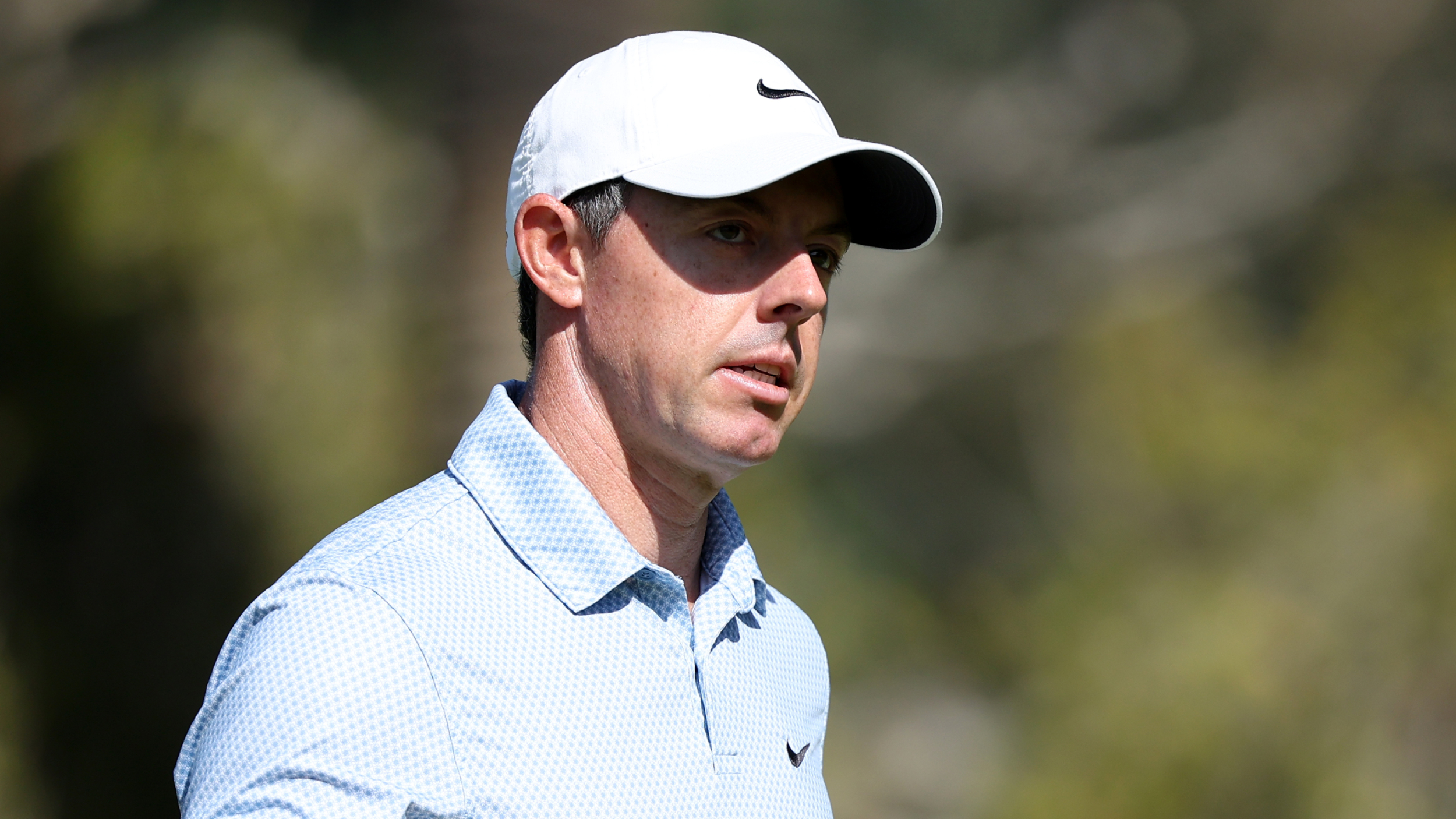
But here’s where I really want to focus, because this is where the story gets interesting from a competitive standpoint: Rory McIlroy’s greenside bunker shot at the 12th.
“From 35 yards, McIlroy’s shot landed on the green before rolling into the cup for his second successive birdie.”
McIlroy’s moment was different from Fleetwood’s and Greyserman’s because it directly impacted the tournament outcome. When he holed that bunker shot, he cut Bridgeman’s lead to four with six holes remaining. That’s a tangible shift in the momentum of the event.
In my experience covering 15 Masters and countless other tournaments, bunker play has become one of the great differentiators on tour. The modern short-game techniques—wider stances, more aggressive swings, better equipment—have transformed what was once a liability into an opportunity. McIlroy understood that perfectly. He wasn’t hoping to get up and down; he was attacking the pin.
What strikes me most is that McIlroy’s shot kept him genuinely in contention for the title. Unlike the other two spectacular moments that provided highlight-reel material, his bunker shot had teeth. It compressed the tournament.
The State of Tour Competition
Here’s my broader take after all these years: when you see three world-class players produce three memorable shots within minutes of each other, it’s not an anomaly. It’s a reflection of how tight professional golf has become. The gap between first place and fifth place at events like the Genesis Invitational is narrower than it’s ever been. Equipment is standardized. Fitness levels are elite across the field. Coaching and analytics have eliminated the glaring weaknesses that used to separate fields.
What hasn’t changed is nerve. Execution under pressure. The ability to perform when the stakes are highest and the spotlight is brightest. That’s what Fleetwood, Greyserman, and McIlroy demonstrated on those handful of holes.
The fact that Bridgeman was able to maintain his lead despite this onslaught also speaks volumes. Leading a tournament isn’t just about playing well; it’s about weathering the inevitable runs your competitors will make. That’s mental toughness, and it’s something that separates champions from talented players.
I’ve covered enough golf to know that Sunday at Riviera reminded us why we follow this game. Not because one player dominated from wire to wire, but because in professional golf, even commanding positions can be threatened by a perfectly struck shot, an unexpected ace, or a bunker shot that finds the bottom of the cup.
That’s what makes this game beautiful—and after 35 years, it’s what still keeps me coming back.
