



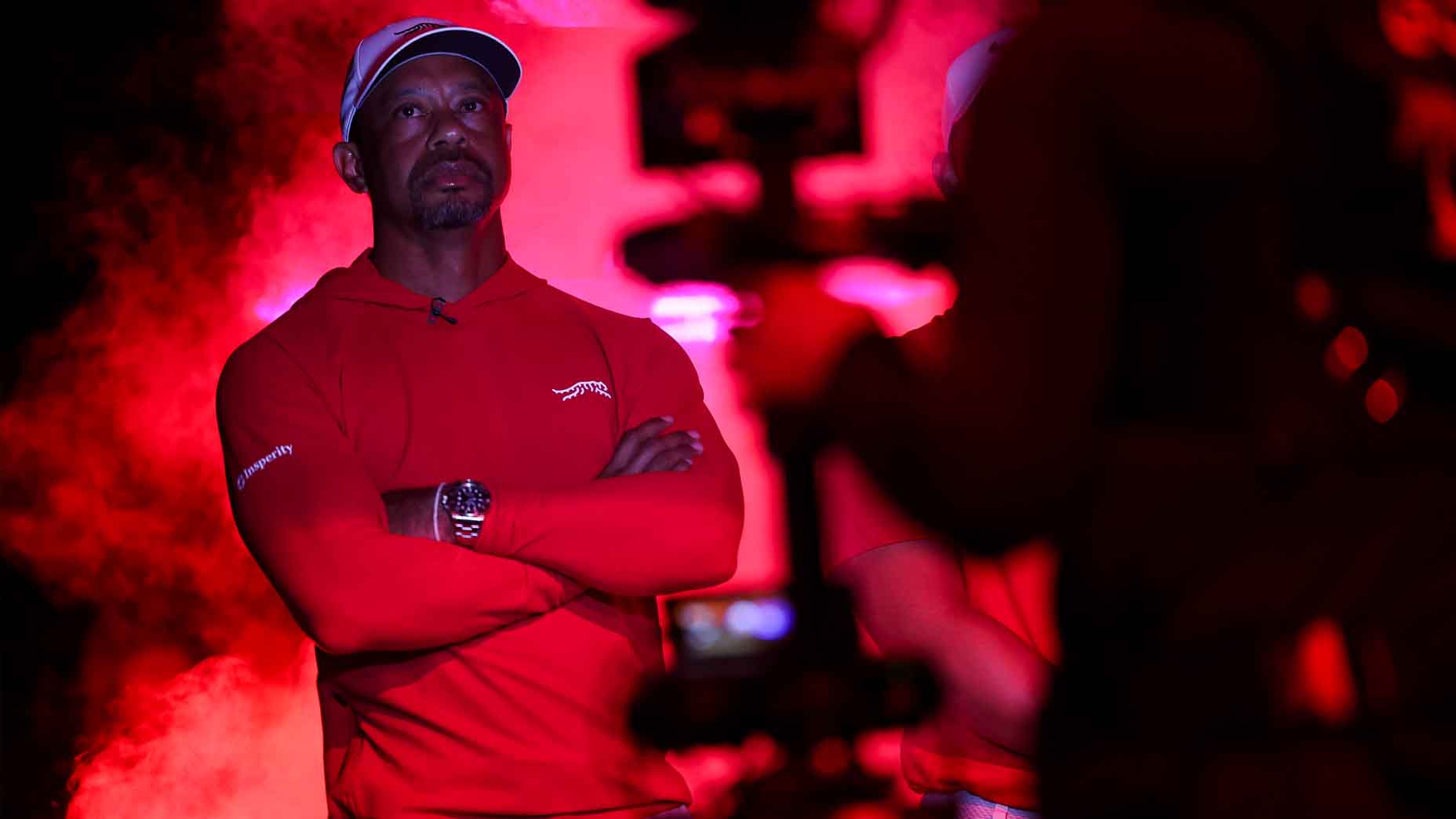
As Lifestyle Editor for The Daily Duffer, I’m constantly looking for the threads that weave golf into our everyday lives – the fitness routines that keep us playing, the wellness practices that hone our mental game, and the personal journeys that inspire us. And when it comes to the human side of the game, few stories resonate as deeply right now as that of Tiger Woods.
You might be thinking, “Tiger Woods? Lifestyle content?” But hear me out. His recent honesty about his recovery isn’t just about a golf legend; it’s a powerful reminder that we, as golfers, are all on a journey of adaptation, resilience, and sometimes, learning to listen to our bodies. It’s a conversation every passionate golfer, weekend warrior, or aspiring pro can relate to.
The Reality of the Comeback: It’s Not Always a Straight Shot
Just a month ago, the golf world was buzzing with the tantalizing possibility of Tiger making a dramatic return at Augusta. He hinted at it, fostering that innate hope we all have for epic comebacks.
“No,” Woods said slyly at Riviera Country Club when asked if playing in the 2026 Masters was “off the table.”
That spark of possibility is exhilarating, isn’t it? It’s the same feeling we get after a great practice session, thinking, “Maybe this is the year I break 90!” or “I’m finally going to master that draw!” But as we know, and as Tiger candidly shared this week, life (and recovery) often throws us curveballs.
After Jupiter Links’ TGL victory, Tiger offered a much more grounded perspective. The enthusiastic tease was replaced with a dose of reality about his ongoing recovery from lumbar disc replacement surgery – a brutal procedure, as many can attest.
“I said I’ve been working on it,” Woods said. “Sometimes I have good days, sometimes I have bad days. Disc replacement is not a lot of fun. So Will Zalatoris went through it, he had two levels done, and it takes time. So as I said, I’ve had a lot of procedures prior to that, so the body doesn’t quite heal like it was when I was 24. Doesn’t quite bounce back. So I have good days when I can pretty much do anything, and other days where it’s hard to just move around.”
What Tiger’s Journey Teaches Us Off the Course
This isn’t just a story about a pro golfer managing injuries; it’s a universal lesson in wellness and personal growth for all of us:
1. Listening to Your Body is Non-Negotiable
How many times have you pushed through a twinge in your back or a soreness in your knee, just to finish a round? We’ve all been there. Tiger, at age 50 and with a history of numerous procedures, is demonstrating the ultimate act of self-care by prioritizing his long-term health over immediate gratification. He’s choosing rest and recovery, even when the call of Augusta is strong. For us, this means paying attention to those signals, incorporating proper warm-ups and cool-downs, and knowing when to take a day off, or swap out a full 18 for a visit to the range.
2. The Power of “Good Days” and Managing “Bad Days”
Tiger articulates this beautifully: “I have good days when I can pretty much do anything, and other days where it’s hard to just move around.” This fluctuation is a reality for anyone managing an injury, chronic pain, or even just the natural aging process. The takeaway? Celebrate the good days – take advantage of them responsibly. And on the bad days, practice self-compassion. This could mean opting for a putting session instead of a full swing, or simply enjoying the camaraderie of the clubhouse without hitting a shot. Adaptability is key to longevity in golf, and in life.
3. Support System Matters
While discussing the TGL Finals, Tiger emphasized his desire to not “screw up the lineup.”
“I’ve had a bad run of injuries last year. I think it’s been a year and a few days since I blew out my Achilles. And so then I’ve had two back operations. So it’s been a little rough go. But the guys here, this team, we have so much fun, I really don’t want to screw up the lineup, I just want these guys to keep playing.”
This humble statement highlights the importance of surrounding ourselves with a strong support system. Whether it’s your regular foursome, your golf instructor, or your wellness practitioners, having people who understand and support your journey (even if it means stepping back occasionally) is invaluable. The social aspect of golf is a huge part of its lifestyle appeal, so lean into your golf community not just for competition, but for connection and understanding.
Practical Takeaways for Your Golf Lifestyle:
- **Prioritize Mobility & Strength:** Tiger’s journey underscores the vital role of a consistent fitness routine. Even if it’s 15 minutes of stretching or gentle core work daily, it can make a world of difference in preventing injury and enhancing your game. Think about incorporating yoga or Pilates, much like many tour pros, to build stability and flexibility.
- **Embrace Recovery:** Proper nutrition, adequate sleep, and active recovery days are just as important as practice. Your body needs time to repair and rebuild, especially as we age.
- **Manage Expectations:** We all want to play our best, but sometimes life gets in the way. Be realistic about what your body can handle. Maybe today is a chipping practice day, not a driver day. And that’s perfectly okay.
- **Stay Connected:** Don’t let physical limitations isolate you from the game you love. Even if you can’t play a full round, meet friends for lunch at the club, watch a tournament, or engage in virtual golf for social connection.
Tiger Woods’ current chapter is a poignant reminder that even the greatest athletes face human frailties. His honesty is a gift, offering a realistic perspective on aging, injury, and the art of the comeback. It encourages us all to cultivate a more holistic approach to our golf lifestyle – one that values health, resilience, and self-awareness as much as birdies and eagles. Because ultimately, the goal isn’t just to play great golf, but to enjoy the game and all its life lessons for as long as possible.
