

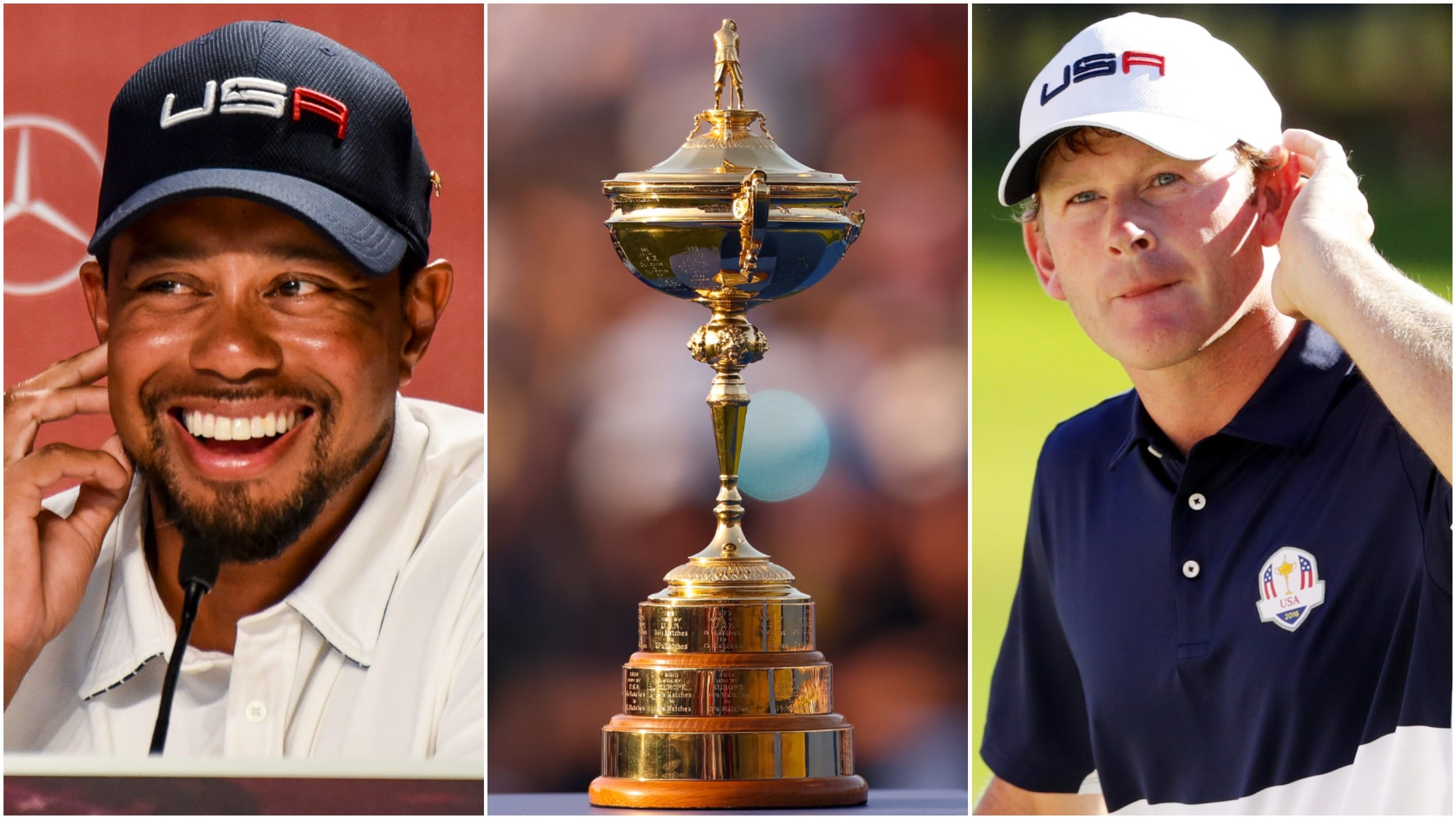

A New Era for Team USA: Prospects for the 2027 Ryder Cup Captaincy
The appointment of Keegan Bradley as the Team USA captain for the upcoming 2025 Ryder Cup at Bethpage Black has sent ripples through the golf community. Standing at 39 years old, Bradley is the youngest captain Team USA has seen since Arnold Palmer led the squad in 1963 at just 34 years of age, marking a significant shift in leadership dynamics. This move hints at a potential reorganization within Team USA, signaling a "changing of the guard" as the country prepares for future international competitions.
As golf enthusiasts look forward to the 2025 Ryder Cup, speculations are bubbling about the leadership for the 2027 edition in Europe, set to take place at the historic Adare Manor in Ireland. The United States has not claimed victory on European soil since 1993, making the selection of the next captain an exceptionally crucial decision. Will the PGA of America opt for experienced hands or embrace a new generation eager to rise to the challenge?
Bradley’s recently appointed backroom staff reinforces the notion of new blood in Team USA. With only Jim Furyk possessing any previous Ryder Cup leadership experience and Kevin Kisner and Gary Woodland without any notable history in the tournament, Bradley’s inner circle mirrors a new commitment to fresh perspectives. As these team dynamics unfold, the discourse surrounding who will lead the USA at Adare Manor grows increasingly vital.
With the Ryder Cup in Europe looming, much is at stake for the USA as they wrestle with their abysmal record in recent years. The question remains: Who will helm the ship come 2027? The distinct possibility exists that the PGA of America may revisit appointing notable players like Tiger Woods, who was offered the captaincy for 2025 but declined due to numerous commitments affecting his availability. Since Woods is such a pivotal figure in golf and has proven leadership abilities, it’s reasonable to expect he may be considered again for the 2027 captaincy if he can find the right balance in his busy schedule.
In fact, Woods’ experience is invaluable when it comes to understanding the complexities behind the Ryder Cup format. With a solitary victory for the USA in the last eleven Ryder Cups on European soil, his charisma and prominence in the sport might be precisely what the U.S. team needs to break this disappointing streak. Despite his absence in 2025, Woods’ legacy, along with his past experiences as an assistant captain and player-captain, could serve as a solid foundation for a return to leadership.
But what if Woods declines once again? This opens the doors for other talented golfers to take the helm. Keegan Bradley himself could be in line for consecutive captaincy if he garners success at Bethpage. The strategy of capitalizing on a winning momentum is something Europe employed successfully when they managed back-to-back Ryder Cup wins featuring Luke Donald, who now serves as the European captain. If Bradley wins in 2025, the opportunity to lead once more could solidify his position as a beacon for Team USA.
Another name that has popped up in captaincy discussions is Brandt Snedeker. With two impressive Ryder Cups under his belt, including an undefeated performance during the triumphant 2016 competition at Hazeltine, Snedeker offers a mix of competitive experience and fresh leadership. He could transition smoothly from vice-captain to captain by serving at Adare Manor if the PGA opts for a more youthful approach. His status as the 2026 Presidents Cup captain could also position him favorably for switched responsibilities, which has been an unconventional but successful approach for the PGA of America before.
Webb Simpson also stands out as a viable candidate for leadership, especially given his appointment as vice-captain by Keegan Bradley at Bethpage. Simpson’s extensive experience as both a player and vice-captain in multiple Ryder Cups and Presidents Cups could make him the next best option for Team USA. Alternatively, he could take the time to focus on preparation for the next competitions after functioning in a more supportive capacity for Bradley.
Lastly, experienced players like Steve Stricker might also resonate well with the PGA of America given his vast history with the Ryder Cup. Stricker has garnered respect both as a captain and a player, and if Team USA falters in 2025, he could easily be turned to as a stabilizing, winning presence leading up to the 2027 event.
As discussions continue to unfold regarding the captaincy for the 2027 Ryder Cup, one thing stands out: The USA must reclaim its position as a dominant force in international golf. It requires a winning mentality and a capable leader who can bridge the gap between the seasoned veterans and emerging talent. The coming years will clarify how Team USA navigates this crucial evolution in leadership amidst the backdrop of an ever-competitive global golf landscape. The decisions made in the run-up to 2027 may well determine not just the fate of a tournament, but the very essence of American golf moving forward.
