

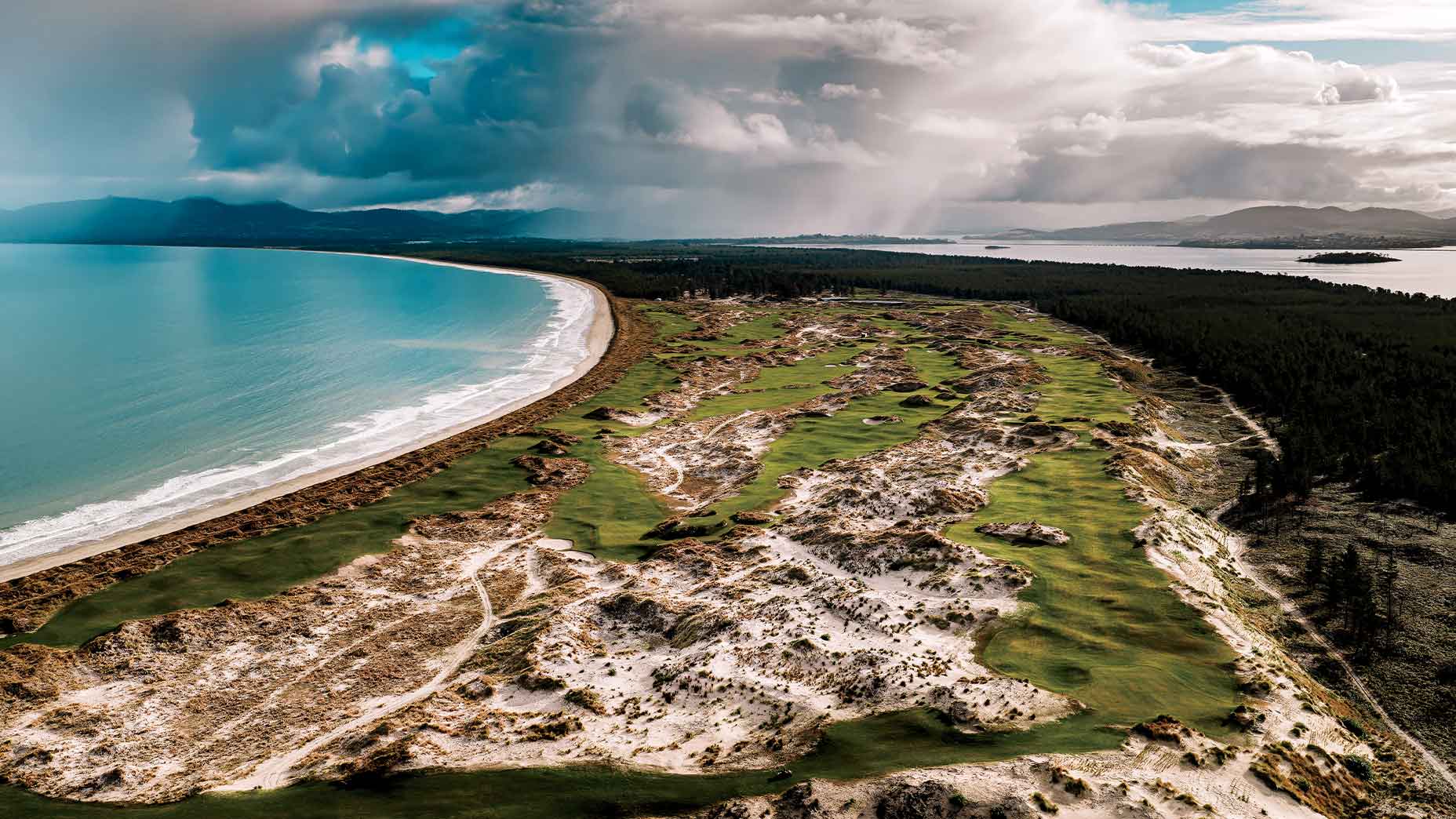

For years, the mention of Tasmania in golf circles, if it came up at all, conjured images more of cartoon whirlwinds and a certain Tasmanian devil than world-class links. It was a place at the edge of the world, with a storied, if somber, past. But then came the seismic shift, a one-two punch that put the island state firmly on the golf architecture map, transforming perceptions one sandy fairway at a time.
I still remember the buzz around Barnbougle Dunes when it opened in 2004. Tom Doak, a genius in understanding how a landscape wants to be played, laid down a blueprint for pure, unadulterated links golf. Then, as if to underscore Tasmania’s newfound prowess, Bill Coore and Ben Crenshaw followed with Lost Farm. These two Barnbougle offerings, separated by just a short drive along the windswept coast, cemented Tasmania’s status as the antipodean answer to Bandon, Oregon – a pilgrimage site for serious golf travelers.
Now, as my well-worn passport attests to countless journeys chasing the elusive perfect golf experience, I can tell you there’s an even more compelling reason to pack your bags and head south. Prepare to redraw your mental map, because 7 Mile Beach is here, and it promises to be nothing short of spectacular.
A Canvas of Wild Beauty
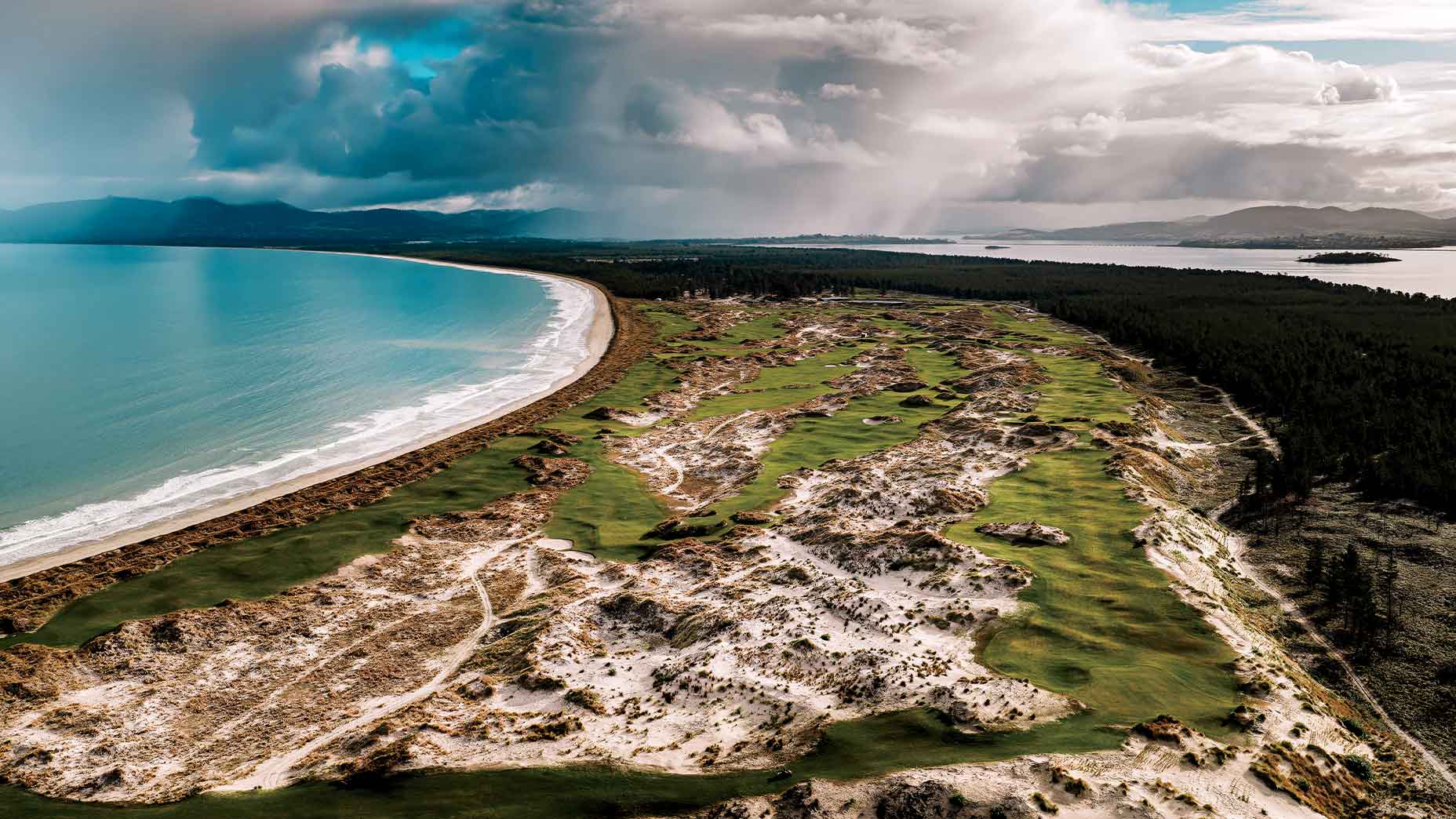
Nested along a crescent-shaped shoreline just 20 minutes from Hobart, Tasmania’s charming capital, 7 Mile Beach isn’t just another golf course; it’s an experience carved directly from the raw, untamed beauty of the Tasmanian coast. This project, decades in the making, is the vision of Tasmanian native and former Tour pro Mat Goggin. He wisely brought in two architectural heavyweights, Mike Clayton and Mike DeVries, to conjure miracles from the wild coastal dunes. This combination of local understanding and global design acumen is a recipe for brilliance.
Having traversed dozens of courses built on similar wild landscapes, I can almost feel the wind whipping through the fescue just reading about it. The description alone paints a vivid picture:
“The added incentive is 7 Mile Beach, a rumpled layout along a crescent-shaped shoreline of the same name, 20 minutes from Tasmania’s capital, Hobart.”
“Rumpled layout” – that’s music to an architecture enthusiast’s ears. It speaks of a course that embraces the natural contours of the land rather than imposing artificiality upon it. This is the essence of great links golf, where the ground itself dictates the strategy, where every quirky bounce, every subtle undulation, is part of the challenge and charm.
Design Philosophy: Embracing the Elements
Clayton and DeVries are revered for their minimalist approach and their profound understanding of how to build a course that feels like it’s always been there. Their routing through these wild coastal dunes suggests a masterful use of existing features. I anticipate greens that melt seamlessly into the surroundings, bunkers that look like natural blowouts, and fairways that flow with the rhythm of the land.
“The result is a true links, with fast-running fescue fairways, wispy grasses and water views from every hole.”
“Fast-running fescue fairways” immediately tells me that this is a course designed for strategic ground game. The ball will bounce, it will roll, and the wind, as the article aptly states, will be a constant, often frisky, companion. Players will need to think not just about carrying hazards, but about how to use the undulations and the prevailing breezes to their advantage. This is golf as it was originally conceived – a chess match with Mother Nature as your opponent.
And “water views from every hole”? That’s a testament to superb routing, ensuring that the course makes the most of its stunning coastal location. Imagine standing on a tee, the salty air invigorating you, the expanse of the Southern Ocean stretching out before you, and the wind dictating your club choice. This is sensory overload in the best possible way, creating a powerful sense of place that sticks with you long after the round is over.
The Roaring Forties and Strategic Play
The architects’ decision to route holes through wild coastal dunes is crucial. These formations often provide natural amphitheaters and corridors, but also expose the course to the elements. Tasmania is famously at the mercy of the “Roaring Forties,” and the article’s mention of the wind as “real, often frisky” is a delightful understatement, telling me that this course will offer a stiff, yet invigorating, test.
“The wind is no cartoon. It’s real, often frisky and central to a course with a vivid sense of place.”
This isn’t just about hitting the ball straight; it’s about trajectory control, understanding spin, and adapting to ever-changing conditions. It’s about strategizing which side of the fairway to attack, how to use the cant of the land to feed a ball towards a pin, and when to play safe versus when to take an aggressive line. This is the type of golf that rewards brains as much as brawn, distinguishing a truly great links from a mere seaside course.
The Tasmanian Golf Renaissance Continues
The journey from a land associated with devils to a mecca for links golf has been remarkable for Tasmania. Barnbougle Dunes and Lost Farm ignited the spark, validating the island’s potential for world-class golf. Now, 7 Mile Beach appears set to fan those flames into a roaring bonfire, offering yet another compelling reason to venture to this spectacular corner of the world.
For those of us who chase the subtle genius of golf architecture, 7 Mile Beach represents a tantalizing prospect. It’s another chapter in the story of Tasmania’s golf renaissance, a testament to what thoughtful design can achieve when working in harmony with profound natural beauty. I, for one, am already checking flight times. The call of the fescue and the roar of the wind are simply too strong to ignore.
Practical Info: 7 Mile Beach is located just 20 minutes from Hobart, Tasmania’s capital. While details on public access and booking are still emerging, its proximity to an international airport makes it an attractive proposition for global golf tourism. Keep an eye on its official channels for opening dates and reservation information. Given the pedigree of its designers and the growing reputation of Tasmanian golf, I fully expect 7 Mile Beach to quickly secure its place on every serious golfer’s must-play list.
