



There are courses that simply exist, and then there are courses that evoke a feeling, a deep appreciation for the artistry and strategic genius that birthed them. For years, the Yale University Golf Course in New Haven, Connecticut, felt like a faded masterpiece, a canvas where time and neglect had muted the vibrant strokes of its creators. But dear readers, gather ‘round, for a phoenix has risen from that storied collegiate ground, and the whispers I’m hearing are nothing short of thrilling.
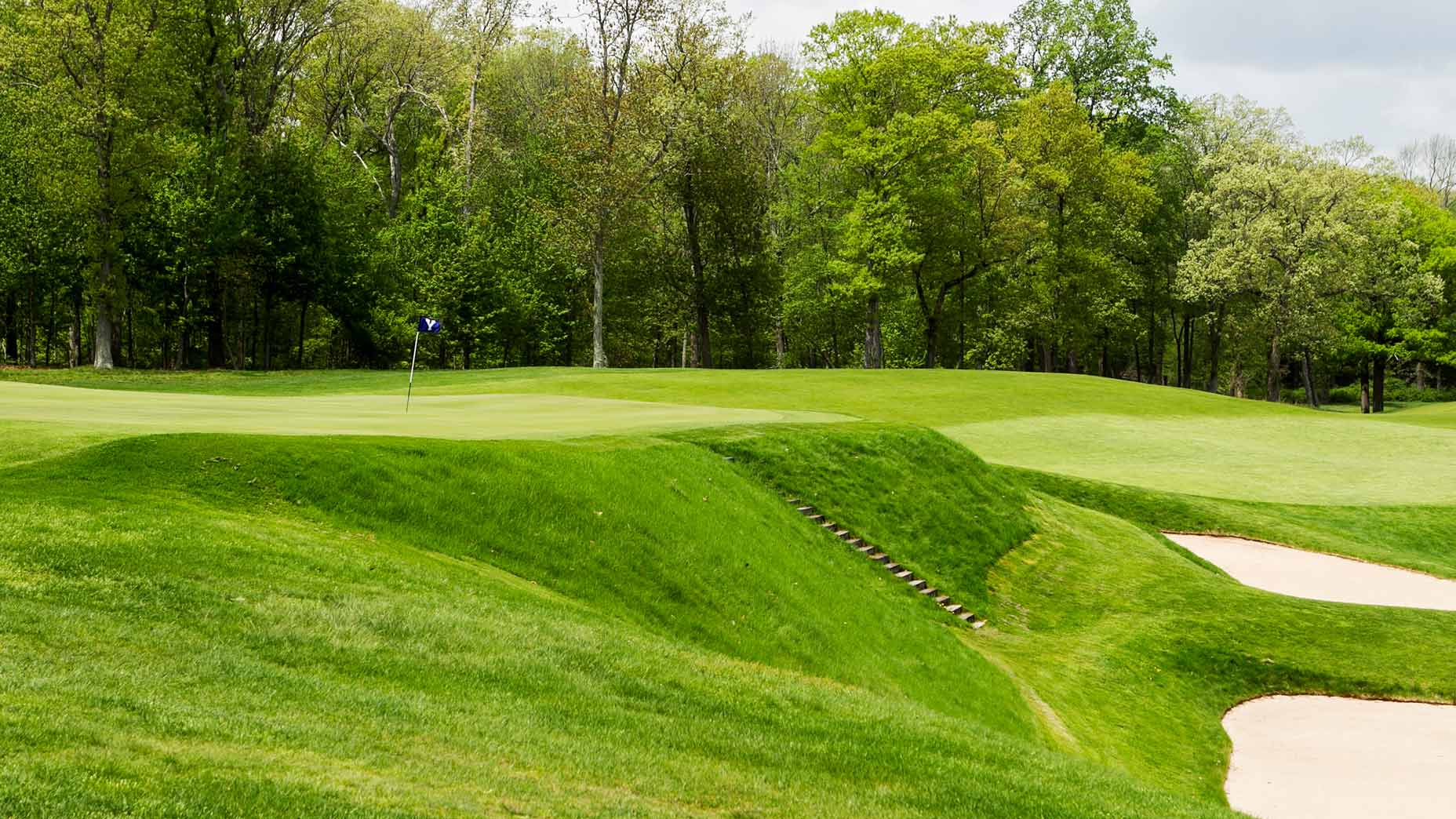
As a golfing nomad who’s traipsed over 200 courses across continents, I’ve developed an almost religious reverence for golf architecture, for the subtle dance between land and design, and for the philosophies of the game’s great minds. So, when news filtered through the golf grapevine about the comprehensive restoration at Yale, my ears perked up like a well-struck drive off the tee. This wasn’t just a renovation; it was an archaeological dig into the mind of C.B. Macdonald and Seth Raynor, a meticulous effort to unearth and polish a true gem.
A Return to Grandeur: Macdonald’s Inland Masterpiece
Yale isn’t just *a* course; it’s *the* course, or at least it was, in the eyes of one of golf’s most influential architects. Charles Blair Macdonald, the visionary behind America’s first great golf course, National Golf Links of America, once declared Yale’s design unmatched by any inland course in America or Europe. Think about that for a moment. This wasn’t hyperbole; it was a testament to the bold, strategic, and often whimsical template holes that Macdonald, with the meticulous engineering of his protégé Seth Raynor, laid over the dramatic New Haven landscape.
For a time, however, Yale became a cautionary tale, a grand dame showing her age. I’ve heard the stories, seen the photos. What was once celebrated for its audacious design and intricate strategy began to lose its luster. Tree growth encroached, shrinking fairways that were meant to be expansive canvases. Alterations, no doubt well-intentioned, slowly chipped away at the original strategic intent. And then, the pandemic hit, exacerbating maintenance challenges that had been simmering for years. The course, as the source article laments, became:
“something of a tarnished gem…a shadow of its former self.”
It’s this kind of decline that pains golf architecture enthusiasts like me. To see the genius of Macdonald and Raynor obscured by time and circumstance is like watching a classic painting slowly darken. But thankfully, help arrived in the form of Gil Hanse and Jim Wagner, modern masters known for their faithful restorations. Their mission was clear: bring back the spirit and the substance of the original design.
Unearthing the Templates: A Deep Dive into Design
What makes a Macdonald/Raynor course truly special are the “template holes” – adaptations of famous holes from British linksland. These aren’t mere copies; they are interpretations, scaled and shaped to fit the American landscape while retaining the strategic dilemmas of their inspirations. The Hanse-Wagner team embraced this philosophy with a fervor, meticulously restoring these iconic features. Consider the par-5 3rd hole, with its legendary Double Punch Bowl green. This isn’t just a big green; it’s a topographical marvel, a massive depression designed to collect shots and create dramatic, often confounding, putts:
“the Double Punch Bowl green on the par-5 3rd, which was rebuilt to its original specifications.”
Imagine standing on that tee, a massive fairway stretching before you, knowing that your approach to that double-punch bowl might decide your fate. This is thoughtful, strategic golf, demanding precision and a touch of audacity. And it’s not just the greens. Those rare inverted bunkers on the 6th hole, designed to penalize slightly errant shots without being overly punitive, have been resurrected. Even the audacious concept of double fairways, found on Nos. 3 and 18, has been restored – offering golfers strategic choices off the tee, daring them to take on more risk for a better angle of approach.
Beyond the individual features, the restoration addressed systemic issues. The “tree work,” as it’s often understatedly called, is crucial. It’s not just about aesthetics; it’s about re-establishing sightlines and broadening playing corridors, allowing the original strategic intent of wide fairways and multiple lines of attack to breathe again. When fairways shrink due to tree encroachment, the strategic choices disappear, reducing golf to a repetitive, less engaging experience.
The course, which previously played shorter, now stretches beyond 7,000 yards from the new championship tees. This ensures that Yale remains a formidable test for the modern game, where the ball flies further than Macdonald could have ever imagined. And, for the first time in its century-long history, the greens have been rebuilt to USGA specifications, along with a new irrigation system. This isn’t just about better turf; it’s about ensuring consistent, firm, and fast playing conditions that allow the architectural nuances of the greens and surrounds to truly shine.
The Centennial Celebration: Practicalities for the Pilgrim Golfer
The reopening on April 28th coincides perfectly with the course’s centennial, a fitting tribute to its enduring legacy. This isn’t just a golf course; it’s a living museum, a testament to a foundational era of golf course design. And now, thanks to the diligence of the restoration team:
“It also marks one of the most anticipated course revivals in recent memory.”
So, can you play it? Yes, but with typical university course considerations. Yale students and faculty get the prime booking window and preferential rates ($150). University affiliates can secure tee times 10 days in advance for $250. For us un-affiliated pilgrim golfers, reservations will become available eventually, albeit likely further in advance, at a rate of $350. My advice? Keep a keen eye on their website for updates on reservations. This is a course that will undoubtedly climb back into the upper echelons of course rankings, and with good reason.
Standing on the freshly restored fairways, with the trees pulled back and the greens humming true, one can almost hear the echoes of Macdonald himself, surveying his creation. Yale University Golf Course is more than just 18 holes; it’s a journey back in time, a masterclass in strategic design, and a vibrant canvas brought back to life. I for one, can’t wait to walk those hallowed grounds again.
