

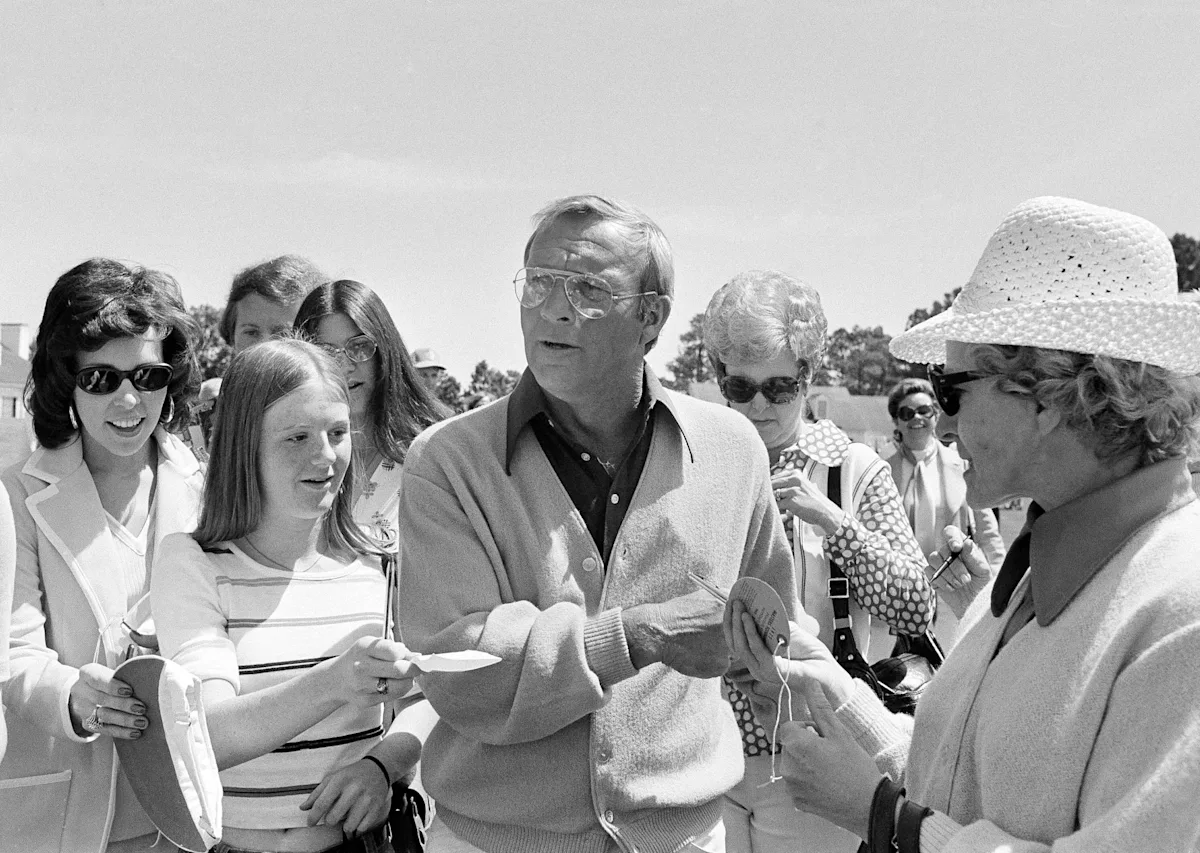

A Look Back at the PGA Tour: Reflecting on 1975 as Golfweek Celebrates 50 Years
As Golfweek celebrates its 50th anniversary, it’s a fitting time to reflect on the evolution of the PGA Tour, particularly the pivotal year of 1975. That year marked not only the debut of Golfweek but also a time when celebrity-driven events defined professional golf.
The Celebrity Influence in Golf
In 1975, tournaments were often hosted by iconic figures like Bing Crosby, Bob Hope, and Andy Williams. Their presence overshadowed the corporate sponsors that now dominate the scene. Events once boasted star-studded names, such as Dean Martin’s Tucson stop, which later evolved into the Chrysler Classic. Today, celebrity involvement is generally limited to societal events like the Creator Classic, showing how the landscape has shifted dramatically.
Earnings Then and Now
The financial landscape offers stark contrasts. The purse for the 1975 John Deere Classic was just $75,000—equivalent to approximately $450,000 today. In that season, Roger Maltbie emerged victorious, earning two checks totaling around $330,000. This amount is surprising when juxtaposed with modern earnings; for instance, Sepp Straka earned nearly that amount just for finishing last at the Tour Championship.
Historical Earnings Breakdown
- 1975 John Deere Classic Purse: $75,000 (~$450,000 today)
- Roger Maltbie’s Total Earnings: $330,000 (~equivalent to today’s last-place Tour Championship earnings)
- Jack Nicklaus’s Earnings: $1.78 million (adjusted for inflation), topping that year’s money list.
Breaking Barriers in Golf
1975 was also significant for breaking racial barriers in the sport, witnessed when Lee Elder became the first Black player to compete at the Masters. His achievement faced unfortunate controversies many years later, illustrating how the progress in golf has been accompanied by setbacks in acknowledgment of its history.
Challenges of the Era
That year, the Open was hosted at Carnoustie, where Tom Watson triumphed in a playoff against Jack Newton. The course condition at that time was not comparable to today’s pristine layouts. Players faced challenges that would likely provoke complaints in today’s social media age, emphasizing the evolution of players’ expectations.
Bert Yancey, another noteworthy figure from that season, documented the struggles of mental health in elite golf long before they became widely recognized discussions. His experiences serve as a reminder of the ongoing issues players face, including those that tragically led to the recent death of Grayson Murray.
Evolving Structures: From Flexibility to Rigidity
The 1975 PGA Tour calendar displayed a fluid structure, lacking the rigid components that now define the circuit. Players wrapped up their seasons by October, while today’s competitors often finish well before Labor Day, with only notable events like the Ryder Cup extending their schedules.
Scottie Scheffler exemplifies the dramatic shift in financial gain, topping the modern money list with earnings surpassing $26 million. Including bonuses, his earnings dwarf the entire prize fund from the 1975 season, reflecting both the growth of the sport and the changes in its infrastructure.
The Constant of Change
As John Wooden wisely stated, "All progress is change, but not all change is progress." The PGA Tour has undeniably improved in numerous ways since Golfweek’s inception. Looking forward, one can anticipate how future advancements will redefine professional golf, making today’s offerings seem quaint and nostalgic in hindsight.
In celebration of five decades, Golfweek encourages fans and golfers alike to appreciate both the character-driven past and the ever-evolving present of the PGA Tour.
This reflection serves as a reminder that while the game of golf continues to change rapidly, the essence of what makes it captivating remains timeless.
Golfweek’s journey over the past 50 years challenges readers to consider how much has transformed within the sport. As we move forward, it’s worth contemplating what elements of today’s PGA Tour will be seen as relics in the future.
