

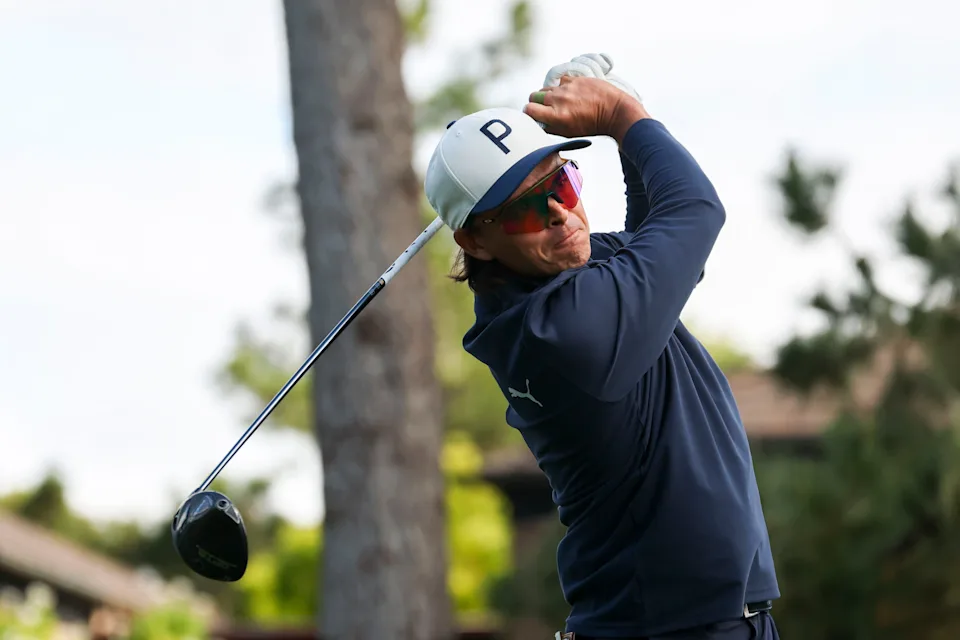

Rickie’s Pebble Beach Collapse: The Cruel Math of Golf’s Momentum Game
There’s a particular cruelty to professional golf that casual fans don’t fully appreciate—the way a single hole can erase three days of work, confidence, and narrative momentum. I’ve watched it happen hundreds of times across 35 years on the tour beat, but it never quite loses its sting. Rickie Fowler’s Saturday implosion at Pebble Beach is textbook example of how quickly fortune can turn in this game, and it tells us something important about where he stands in his comeback arc.
Let me be clear: what Fowler accomplished Friday was genuinely impressive. A 64 at Pebble Beach, sitting one shot off the lead after struggling with a shoulder injury most of last season? That’s not just a good day. That’s a statement. And Rickie was saying all the right things coming into Saturday.
“My shoulder was bad all last year, so I was just trying to manage and get through as best that I could. I definitely earned the time off with sneaking inside that top-50, so that was a nice bonus. So that was what I was trying to work towards to, like I said, earn that time off and then be able to get the body in a better spot and go play this year.”
In my experience, when a player of Fowler’s caliber—six PGA Tour victories, a guy who’s been in major contention multiple times—talks about earning rest and getting his body right, you listen. He’s not making excuses; he’s stating facts. The shoulder was legitimately holding him back, and the commitment to offseason work showed genuine promise through the first month of 2026. Three strong starts in as many tournaments suggested this wasn’t just a hot streak.
When One Hole Changes Everything
Then came the sixth hole at Pebble Beach.
Picture this: a stunning par-5 hugging the California coastline, 548 yards of beauty and peril. Fowler’s opening drive drifts right into the ocean. Fine—he drops, still has a chance to salvage par or bogey. Second shot? Same story. Ball heads toward the water again and doesn’t come back. He salvaged a double-bogey after a gutsy 11-foot putt, but the damage was done. What had been a leaderboard position rapidly became 12-over for the tournament, well back in the pack.
Now, here’s what strikes me about this particular setback: it’s not random misfortune. In my 35 years covering this tour, I’ve learned that patterns matter. And Pebble Beach has been a problem venue for Fowler. Two missed cuts in five previous appearances. Zero top-20 finishes. The course clearly hasn’t agreed with his game, and when you’re carrying that kind of history into a tournament where confidence is already fragile coming off an injury-plagued season, the mental math becomes unforgiving.
The sixth hole became a referendum on whether Fowler’s shoulder recovery and early-season momentum were genuine resilience or just the natural variance of a three-tournament stretch.
The Encouraging Signs Still Matter
But here’s where I want to pump the brakes on pessimism: Friday’s 64 was real. The shoulder feeling better is real. And critically, this is only February.
Having caddied for Tom Lehman back in the ’90s, I learned that tour professionals don’t develop confidence in a weekend. They build it across seasons and careers. One poor third round at a venue where Fowler has always struggled doesn’t erase what we saw during his second round, and it certainly doesn’t invalidate the positive trajectory of his first month.
“I mean, I love it up here, especially when we get weather like this. It would be nice if the Sunday weather maybe holds off or isn’t as bad as what it might be. It’s a fun place, I really enjoy playing both Spy and Pebble.”
The tone of Fowler’s pre-tournament comments reflects a player who genuinely enjoys being back to full health. That matters more than any single tournament result, particularly this early in the season.
What This Actually Means
I think what we’re witnessing is a player in genuine transition. The shoulder injury forced time away, which sounds negative but actually provided something valuable: forced rest and targeted rehabilitation. Fowler’s top-50 finish last season—achieved while managing pain—suggests he never lost his fundamental abilities. He just couldn’t fully access them.
Saturday’s collapse isn’t a referendum on his entire comeback. It’s a reminder that golf is a humbling game, especially at storied venues like Pebble Beach where the ocean doesn’t care about your narrative or your hard work in the offseason. The real test will come across the next 10-12 tournaments as we determine whether this is sustainable resurgence or a false spring.
What I’d be watching for: Can Fowler find success at venues where he’s traditionally been stronger? Will he rack up top-10 finishes before targeting another event like Pebble Beach? Is the shoulder holding up week to week, or are we going to see periodic setbacks?
The encouraging early-season trend is still intact. One bad Saturday doesn’t erase it. But it’s also a reminder that Fowler will need to prove consistency across a wider sample size before we declare the comeback complete.
That’s not pessimism. That’s just how professional golf works.
