

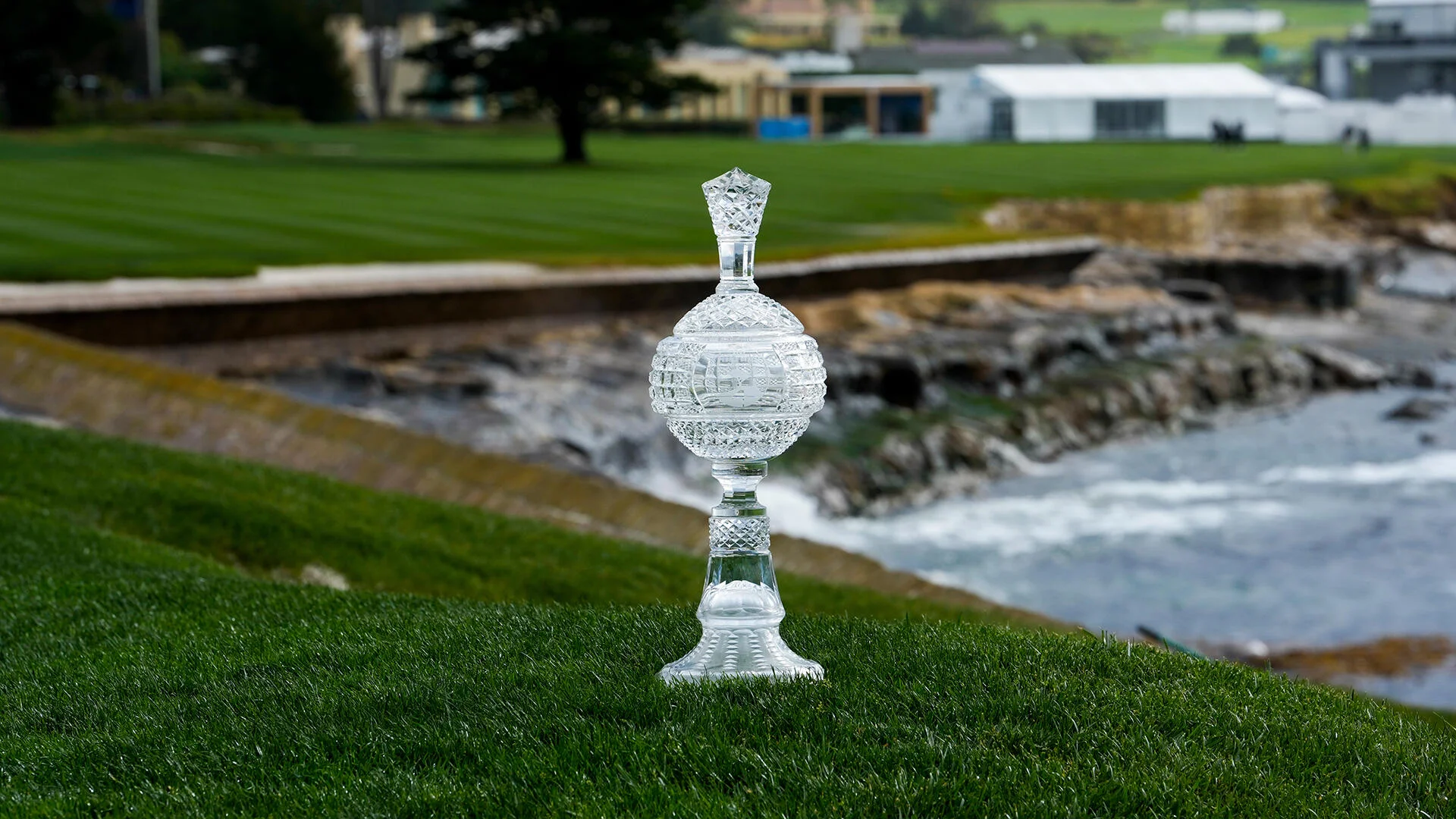

The Beautiful Chaos of Parity: Why 2025’s Tour Spread Is Better Than Scheffler’s Dominance
Listen, I’ve been covering this tour since before most of you knew what a signature event was, and I’m here to tell you something that might sound crazy: last year’s parity might’ve been better for professional golf than Scottie Scheffler’s historic 2024 run, even if the ratings departments won’t tell you that.
Let me explain what I’m seeing as we kick off the 2026 signature events calendar at Pebble Beach this week.
When One Player Isn’t Enough (Even When He’s Great)
In 2024, Scheffler was genuinely spectacular. The guy won half the signature events. That’s dominant golf at a level we rarely see, and yeah, it’s impressive. But here’s what struck me covering that season: after a while, the narrative becomes predictable. You show up to tournaments knowing the storyline. “Can Scottie be stopped?” gets old by June, no matter how good the answer is.
Then 2025 happened, and suddenly we had something different. “All eight signature events were won by different players,” as the tour saw last year. That’s not a bug in the system—that’s a feature. That’s golf the way it’s supposed to be.
I spent decades as a caddie in the ’90s, and I remember how unpredictable that era felt. You’d go to a major and genuinely have no idea who was going to hoist the trophy. Sure, you had your favorites—your Nicklaus, your Norman—but the field felt alive. That’s what 2025 delivered, and it matters more than people realize.
The Money Matters, But So Does the Drama
Speaking of what matters, let’s talk about the financial stakes at Pebble Beach this week:
Total Purse: $20 million
- 1st Place: $3,600,000
- 2nd Place: $2,160,000
- 3rd Place: $1,360,000
- Top 10: All earning $500,000+
- Top 20: All earning $250,000+
These aren’t just numbers. Every player inside the top 10 is clearing half a million dollars. That’s transformational money for most professionals, and it means something psychologically. When you’re playing for $3.6 million, you’re thinking differently than you would in a regular tour event. The stakes compress the field. Everyone’s playing to win, not just to place.
What strikes me about that payout structure is how it still rewards depth. Yes, the winner takes $3.6 million, but look at those places 11-20. You’re still getting $200,000-plus for a respectable finish. That’s tour economics working the way they should—rewarding excellence while giving mid-pack finishes meaningful compensation.
McIlroy’s Spring Awakening and What It Tells Us
Rory McIlroy returns this week as the reigning champion, and here’s where the narrative gets interesting. Last year wasn’t just about him winning at Pebble Beach. The article reminds us that he “kicked off a memorable spring in California,” adding not only Pebble Beach but The Players Championship and his first Masters green jacket to his early season victories.
That’s the kind of narrative that should matter. That’s not just a golfer playing well—that’s a golfer writing a story we haven’t heard from him in years. In my experience, when a top-tier player finds his game across multiple weeks like that, it’s not luck. It’s a reset. It’s rediscovery.
I think what we’re seeing now is that the tour’s competitive balance is finally catching up to what we’ve been hoping for. The skill gap has compressed at the top. Scheffler’s still world-class, obviously, but so are McIlroy, Thomas, Fleetwood, and a dozen others. That’s healthy. That’s what creates drama.
The Field Gets Its Shot
Here’s something else I noticed: Tommy Fleetwood, who “won the FedEx Cup a year ago,” will be making his first PGA Tour appearance of 2026 at Pebble Beach. McIlroy’s doing the same. These are your heavyweights taking their opening salvo at the signature events, and they’re doing it at a track that historically favors a diverse range of games.
Pebble Beach isn’t a bombers’ paradise. It’s not a short-hitter’s haven either. It’s golf’s Switzerland—strategically neutral enough that good golf prevails. That’s exactly the kind of venue where parity makes sense. You can win here with power, precision, experience, or luck. Usually all five.
The 80-player field will have dreams, and frankly, more of those dreams feel legitimate this year than they did during Scheffler’s dominance period. That’s not a criticism of Scottie—it’s praise for where the tour is right now.
What This Means Going Forward
I think 2025 showed us something important: the tour doesn’t need one transcendent figure to be compelling. It needs competitive balance, real stakes, and players who believe they can win on any given Sunday. We’re getting that in spades.
The money helps. The parity helps. But mostly, it’s about the narrative breathing room. When eight different players can claim signature event victories in a single season, each story gets its due. Pebble Beach this week won’t be about whether someone can dethrone the defending champ—it’ll be about 80 players chasing their own destiny.
After 35 years, that’s still the best story golf has to tell.
