


Rory’s Riviera Masterclass Exposes Golf’s New Weather Divide
There’s a particular kind of golf that separates the merely talented from the truly elite. I saw it again Thursday at Riviera, and frankly, it’s becoming Rory McIlroy’s signature calling card.
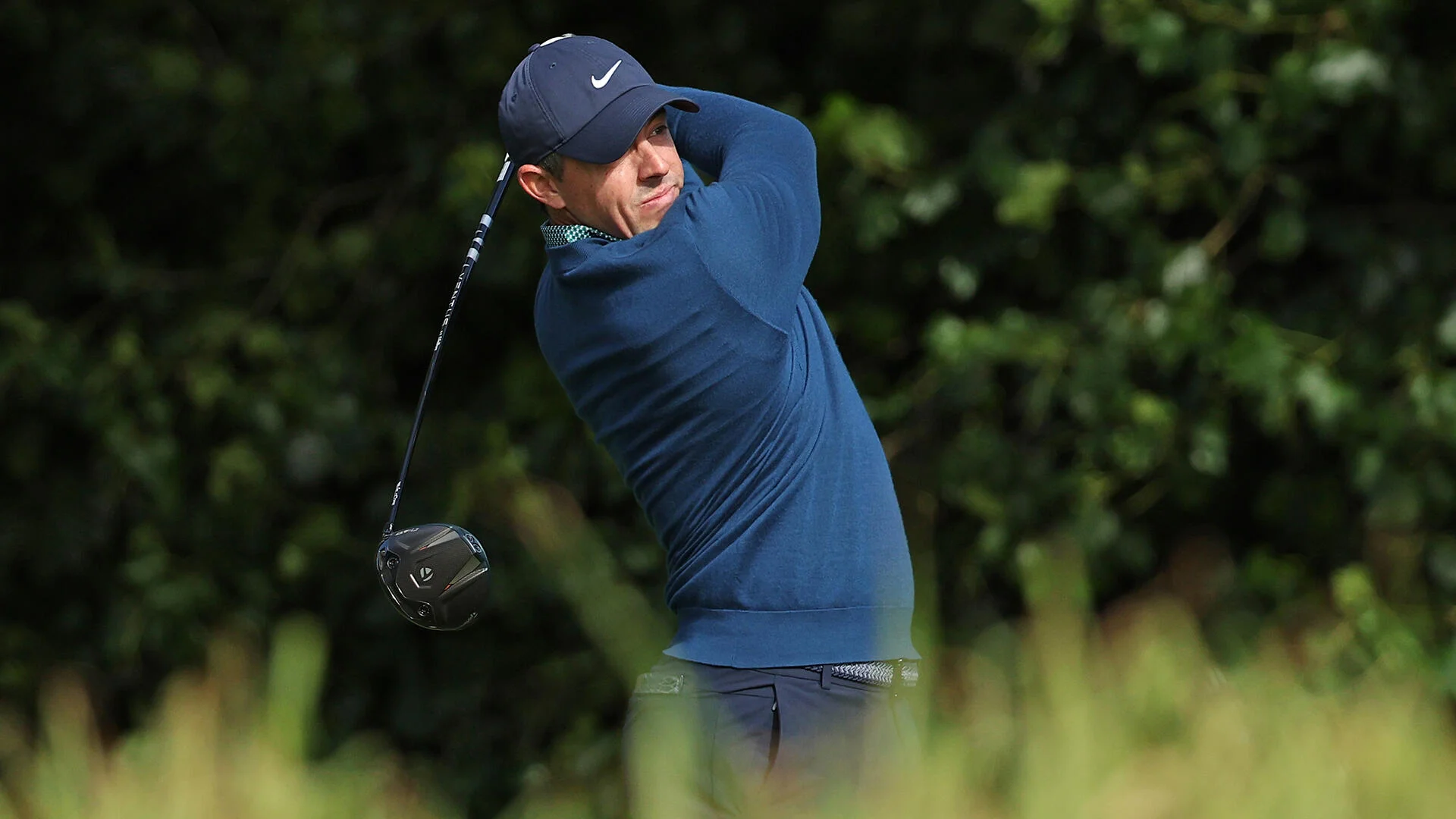
When conditions turned into an absolute mess—rain, wind gusts north of 30 miles per hour, a three-hour weather delay that would’ve rattled most competitors—McIlroy didn’t just survive. He thrived. A career-best 66 at Riviera. One stroke back. And more importantly, he looked like a man who genuinely enjoys the challenge.
In my 35 years around this game, I’ve watched the tour evolve in fascinating ways. But nothing strikes me quite like the emerging divide between players who can control conditions and those who can’t. This isn’t just about talent anymore. It’s about adaptability, shot-making sophistication, and mental approach. McIlroy has become the poster child for this new tier of excellence.
The Shift in Rory’s Game
Here’s what catches my eye about McIlroy’s comments after his round:
"I’ve definitely got more comfortable playing in conditions like this over the past few years as I’ve gotten more comfortable in controlling my ball flight, and controlling my ball flight taking a lot more club, hitting the ball low…If you had asked me 10 years ago, I didn’t enjoy these conditions, but it’s been a shift in a mindset."
That’s not just a golfer talking. That’s a student of the game admitting fundamental evolution. In my caddie days with Tom Lehman back in the ’90s, we talked about this constantly—how you had to accept bad conditions rather than conquer them. You managed the damage. Rory’s flipped that script entirely. He’s not managing anymore. He’s executing.
Think about what that means operationally. He’s working club selection differently. His ball-striking has developed new dimensions. The practice range work has shifted toward shot-making over pure technique. That’s not incremental improvement. That’s systemic overhaul, and at 36 years old, most players are supposed to be declining, not leveling up.
Aaron Rai’s Surgical Approach
Now, let’s talk about Aaron Rai leading at minus-6. Here’s a player who exemplifies a completely different philosophy: Point A to Point B efficiency. No flash. No working it both ways. Just keep it clean, make putts, go home.
His Thursday scorecard reads like a blueprint:
Aaron Rai (-6 Leader)
- Opening eagle
- Six additional birdies
- Conversions from 80 feet (No. 9), 21 feet (No. 13), 12 feet (No. 15), 7 feet (No. 11 and 16)
That’s not luck. That’s discipline married to exceptional green-reading. Rai isn’t flashy. He’s never been flashy. But the PGA Tour rewards consistency, and Rai is proving—again—that you don’t need McIlroy’s dynamic shot-making to be dangerous. Different skill set. Equally effective.
What’s fascinating is that both approaches are winning. McIlroy’s artistic expression versus Rai’s methodical excellence. The tour’s depth right now allows for multiple paths to victory.
The Hovland Recovery Watch
I’m tracking Viktor Hovland’s driver situation closely this week, and Thursday offered genuine encouragement. The Norwegian has been searching for answers since his PGA Tour season kicked off, missing fairways with alarming frequency. But Thursday? He missed only two.
"The band, because it forces your body to push against the tension, and then when you take it away, it’s like, ‘Wow, that’s what it’s supposed to feel like,’" Hovland explained regarding his swing training method.
This is important. A player of Hovland’s caliber can’t stay broken for long. The tour punishes inconsistency ruthlessly. Getting that big stick back in order—even partially—changes everything about his week. He sits at minus-2, which doesn’t sound spectacular until you remember he had three bogeys on the greens. Find that short-game consistency to match the driving recovery, and Hovland becomes a serious contender.
The Scheffler Problem (Again)
Now here’s what bothers me: Scottie Scheffler is struggling for the third consecutive week, and that’s become noteworthy enough to mention specifically.
The world No. 1 was 5-over through 10 holes. That’s not a rough start. That’s a crisis. Three putts on the par-5 opening hole. A double bogey on No. 8 with another three-putt. Bogeys in his first six holes. Eventually suspended in last place, 11 strokes back.
Look, everyone has off-weeks. I’ve seen Tiger Woods miss cuts. I’ve seen Rory struggle. But what concerns me—and this comes from decades of tour observation—is the pattern. Three weeks running of poor early positioning suggests something deeper than just "off-week" variance. Whether it’s equipment, course fit, or confidence, the tour’s best player needs to solve this equation quickly. The Genesis Invitational won’t be forgiving if he’s staring at the cut line.
The Real Story Here
2026 Genesis Invitational Round 1 Leaderboard (Selected)
| Position | Player | Score |
|---|---|---|
| 1 | Aaron Rai | -6 |
| T2 | Rory McIlroy | -5 |
| T2 | Jacob Bridgeman | -5 |
| 4 | Ryan Fox | -4 |
| T5 | Collin Morikawa | -3 |
| T5 | Si Woo Kim | -3 |
What really matters here: We’re watching the tour organize itself around adaptability and skill diversity. McIlroy won a major a few years ago; now he’s building something deeper—a complete game that doesn’t panic when conditions deteriorate. Rai proves elegant efficiency still works. Hovland reminds us that even elite players need mechanical checkpoints.
Scheffler’s struggles? They’re worth monitoring, but they’re not indicative of decline. They’re a data point in a fascinating early season that’s showing us the tour’s genuine depth beyond its most famous names.
That’s the real story at Riviera. Not just who’s leading, but how differently these elite players are winning.
