


There’s a particular joy in discovering a golf hole whose given name perfectly encapsulates its character, demands, and even its spirit. We’re all familiar with the legendary groupings like Carnoustie’s ‘Hogan’s Alley’ or Royal Portrush’s ‘Calamity Corner,’ stretches where the very air thrums with an almost mythical challenge. But what about the singular holes, those individual tests that, with a simple moniker, tell you everything you need to know before you even tee up? As a golf architecture enthusiast who has walked over 200 courses worldwide, I find these aptly named holes to be miniature masterpieces of design philosophy.
A Name That Speaks Volumes
The beauty of a well-named golf hole lies in its ability to immediately convey the essence of the design. It’s a preview, a warning, or sometimes, an invitation. Great architects like Pete Dye and Alister MacKenzie understood that the psychological landscape of a course is just as important as the physical one. A name can prime you for the strategic decisions ahead, hint at unique architectural elements, or even whisper tales of historic moments. This, in my estimation, is golf design at its most evocative.
The Gambler: A Risk-Reward Proposition at King’s North
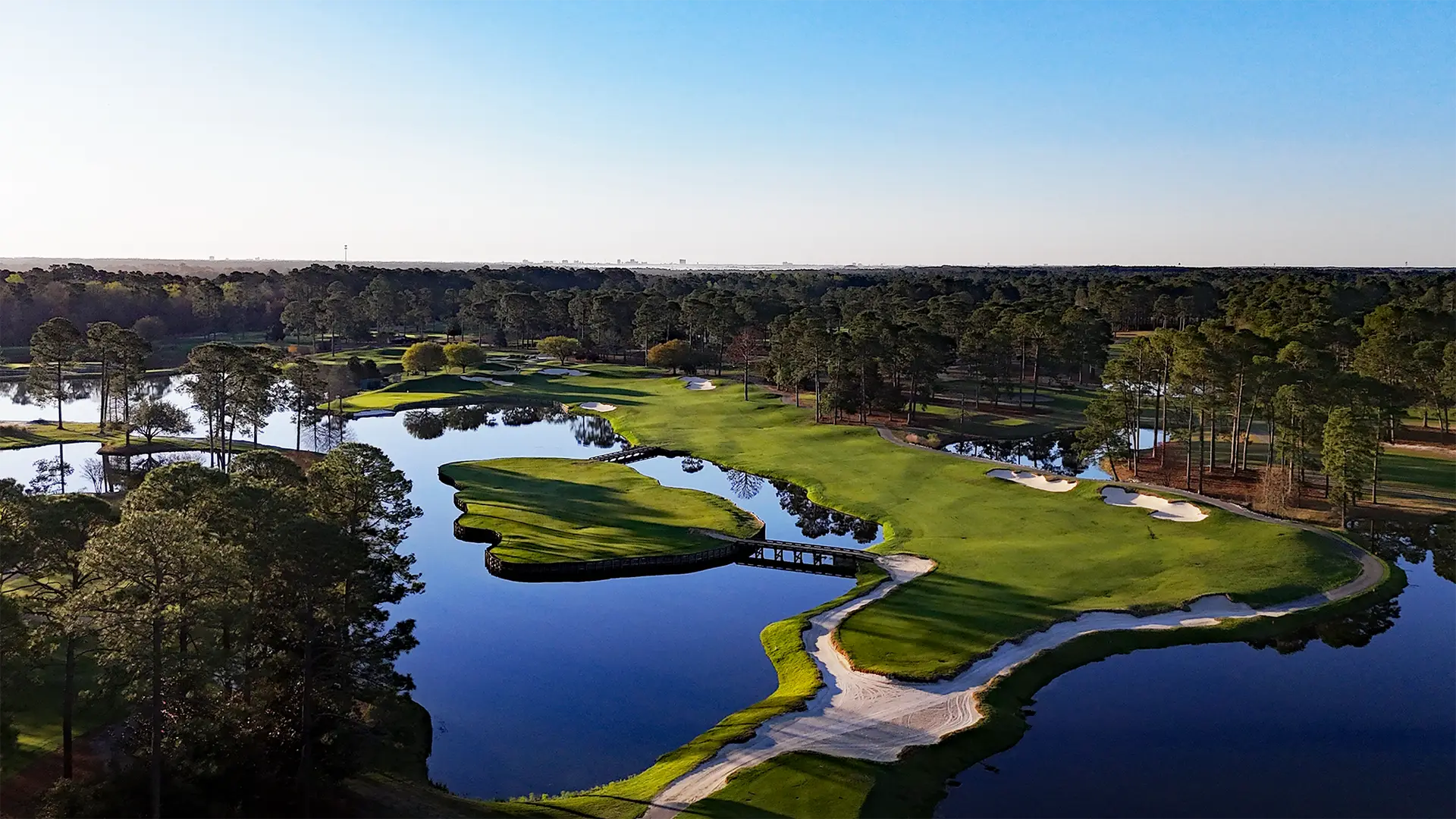
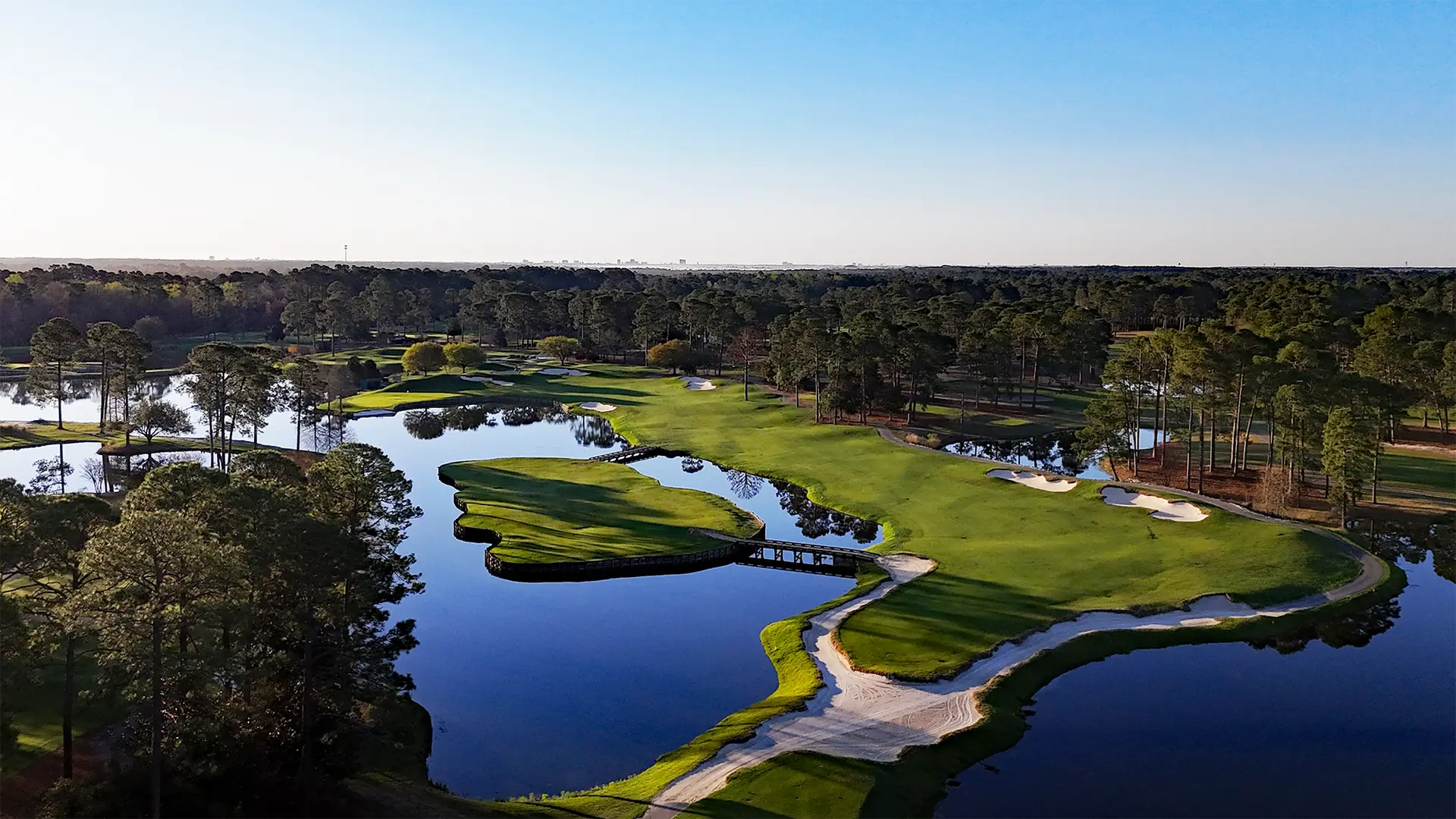
Myrtle Beach National’s King’s North, a track I’ve had the pleasure of navigating numerous times, offers a magnificent example of a hole whose name perfectly describes its nature: “The Gambler.” This isn’t just any par-5; it’s a strategic puzzle that forces you to confront your inner risk-taker. Many par-5s offer the tantalizing possibility of reaching the green in two, but they rarely present such a clear, tantalizing shortcut.
“Those who live dangerous and take aim at that island fairway might have only 150 or 160 yards into the green, but such a tee shot comes with plenty of risk—hence, this hole’s name: The Gambler.”
The design here, credited to Arnold Palmer, is ingenious. From the tee, you see the primary, safer, curving fairway. But there, to the left, is an island of turf, daring you. If you can carry the water to that island, you’ll be left with a much shorter, far more manageable second shot into the green. It’s a classic risk-reward scenario, and the name “The Gambler” immediately plants the question in your mind: are you going to lay up or go for glory? This tension, this internal debate, is what makes golf so captivating. I’ve seen countless players, myself included, stand on that tee box, weighing the odds, picturing that perfect draw flight, and more often than not, succumbing to the allure of the shortcut.
Stairway to Heaven: Ascending to Glory at Apogee Apex
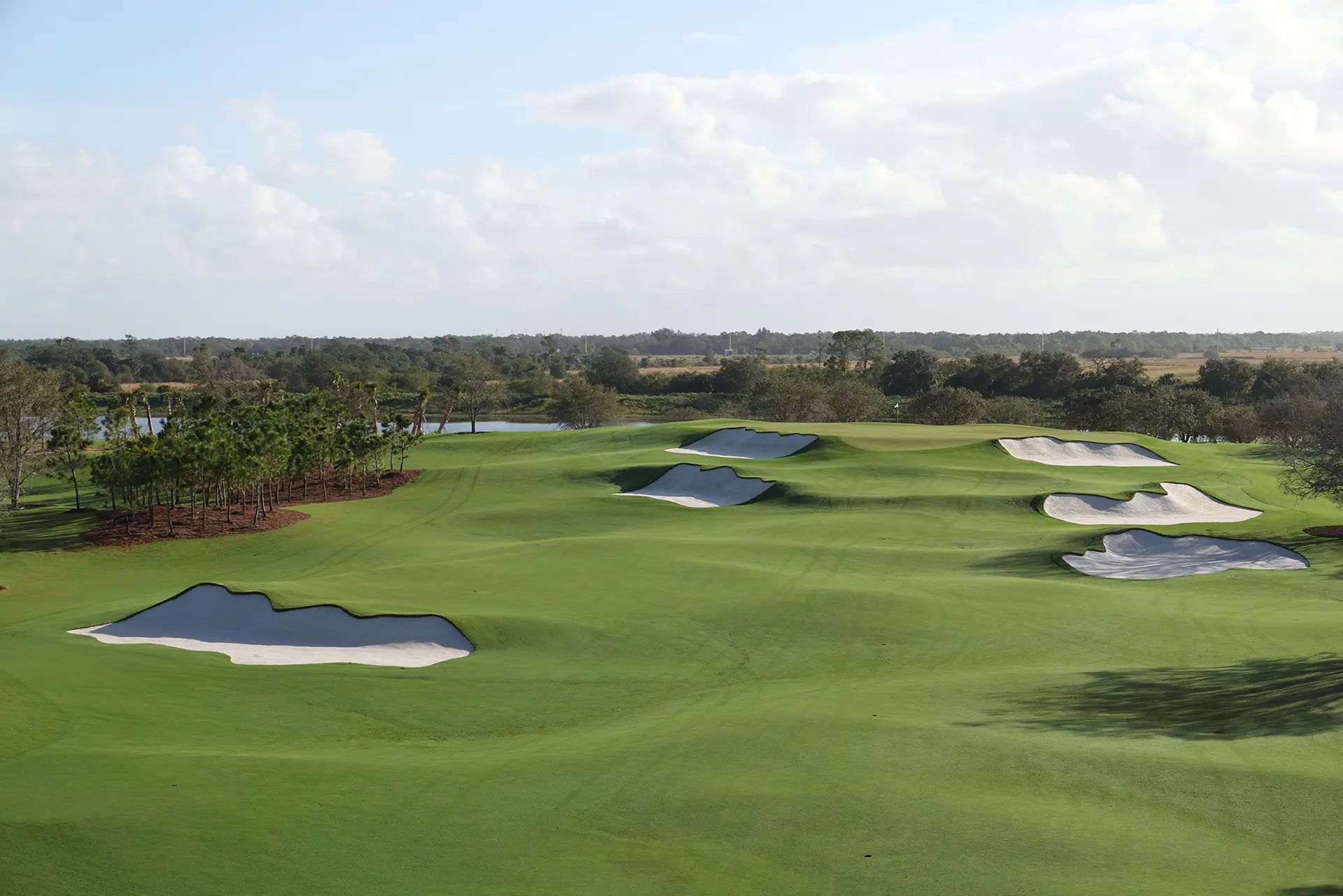
My interest in course development, particularly the art of moving earth to create compelling landscapes, drew me to the Apogee Apex course in Indiantown, Florida. Conceived by Tom Fazio II and Mike Davis, this course is a testament to what can be achieved with vision and heavy machinery. Six million cubic yards of earth, spoils from massive lake excavations, were sculpted into an impressive topography, creating hills and bluffs in an otherwise flat Florida landscape. And it’s here, at one of the highest points, that you find the aptly named “Stairway to Heaven,” the 13th hole.
“Given the reasonably flat lie that those ledges produce, the short flip of a wedge that will define most approach shots—and the likelihood that many golfers will have their chance at a birdie putt—it’s easy to how this hole earns its name: Stairway to Heaven.”
This relatively short, potentially driveable par-4 plays distinctly uphill, its green complex rising in distinct ledges that “stairstep” their way to the putting surface. The name evokes a sense of effort leading to reward. The design provides relatively flat lies on those ledges, making the uphill approach manageable with a well-struck wedge. The idea is that a good drive followed by a precise, ascending shot will leave you with a genuine birdie opportunity. It feels like an earned ascent, a moment of triumph after navigating the lower elevations of the course. It perfectly illustrates how an architect can not only shape the land but craft an experience that is reflected in the very name of the hole itself.
Calamity Corner: The Intimidating Beauty of Royal Portrush
Across the Atlantic, where links golf reigns supreme, lies Royal Portrush’s Dunluce Course, home to perhaps one of the most vividly named par-3s in golf: “Calamity Corner.” Having played many of Scotland and Ireland’s great links, I can attest to the raw, untamed beauty of these courses, and Portrush stands tall among them. The 16th hole here is an absolute beast. From the back tee, you’re faced with a 236-yard carry over a ravine that plunges more than 50 feet. It’s a gut check, a moment where you seriously question your club choice and your nerves.
“Miss short and right, and there’s a good chance you’ll be lying at least three by the time your ball comes to rest on the putting surface… If you want to avoid a calamity on your scorecard, follow the yardage guide’s advice and “take plenty of club and hit for the back left of the green.””
The name “Calamity Corner” isn’t hyperbole; it’s a blunt, honest truth. The visual intimidation alone is enough to send shivers down your spine. Alister MacKenzie, an architect I deeply admire, spoke often of the psychological elements of course design, and this hole epitomizes that. The ravine is a natural hazard, but its sheer depth and the distance required to clear it create a profound sense of dread for anyone standing on the tee. It’s a shot where precision is paramount, and anything less than a perfectly struck ball will almost certainly result in a disastrous score. It’s a hole that lives up to its billing, a true test of nerve and skill, and a memorable part of any golf pilgrimage to Northern Ireland.

The Enduring Power of a Good Name
These are but a few examples from the article, but they beautifully illustrate the power of thoughtful nomenclature in golf course design. A well-chosen name does more than just identify a hole; it imbues it with personality, history, and a touch of drama. It helps us understand why these holes are special, tapping into the very soul of the course. Whether it’s a strategic challenge, a historical homage, or a vivid description of physical features, these names deepen our appreciation for the artistry and intricate thought that goes into crafting a truly memorable golf experience. They are, in essence, an invitation to engage more deeply with the course, to consider the architect’s intent, and to embrace the unique journey each hole presents.
