


Ah, the golf course. More than just 18 holes, isn’t it? It’s a canvas, a strategic puzzle, a testament to time and terrain. Having traversed fairways from the windswept links of Scotland to the desert oases of Arizona, I’ve come to appreciate that profound connection between a course and its moniker. We all know the legendary stretches – the Bear Trap, the Snake Pit, the hallowed grounds of Amen Corner – but sometimes, a single hole, a lone sentinel in the grand design, captures its essence so perfectly in a name. It’s these individual gems that often reveal the architect’s true genius, or simply the course’s undeniable character.
Today, I want to take you on a journey to a few such holes, as highlighted in a recent piece I stumbled upon, that exemplify this artistry of nomenclature. These aren’t just labels; they’re whispers of history, architectural warnings, or even an invitation to a daring feat. Let’s delve into what makes these named holes so special, and why they embed themselves in the golfer’s memory long after the round is done.
The Allure of the Risky Proposition: “The Gambler” at Myrtle Beach National (King’s North)
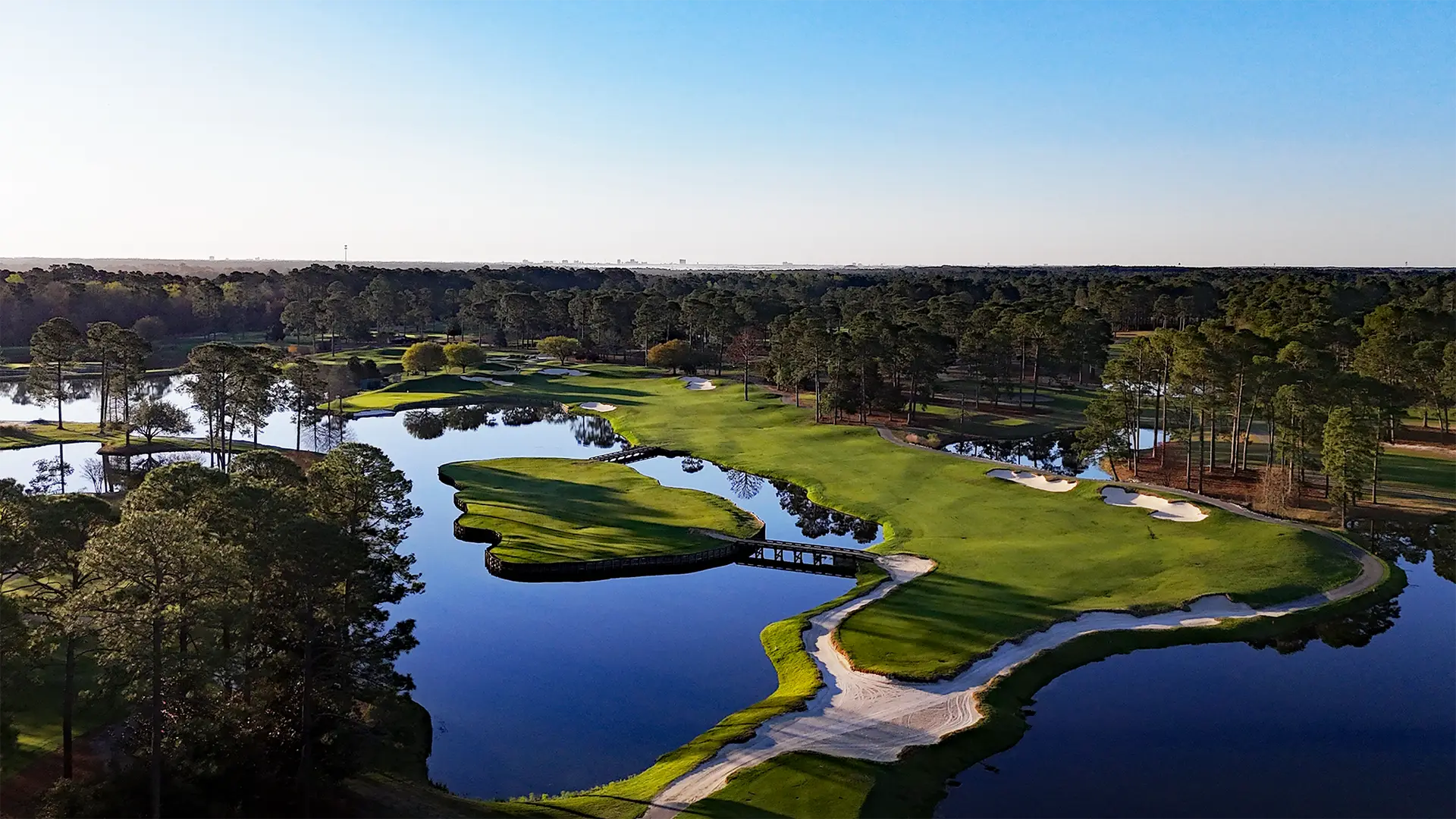
Myrtle Beach is often synonymous with volume, but within its sandy embrace lies pockets of architectural intrigue. King’s North, a beloved Arnold Palmer design, offers one such exquisite example with its 6th hole, famously christened “The Gambler.” A par-five, it presents a classic risk-reward scenario, albeit with a delightfully unique twist.
“Those who live dangerous and take aim at that island fairway might have only 150 or 160 yards into the green, but such a tee shot comes with plenty of risk—hence, this hole’s name: The Gambler.”
What makes this hole resonate so deeply with its name isn’t just the prospect of reaching in two, but *how* you achieve it. Instead of a lone, intimidating hero shot over water, Palmer offers a separate, island fairway to the left. It’s a bold stroke, a second path entirely. This strategic decision by Palmer speaks volumes about his philosophy of engaging the golfer’s mind as much as their swing. The visual is striking: a primary, safe fairway beckons, but to its left, an emerald isle, daring you to challenge the watery chasm between. I remember standing on that tee, the wind whispering temptations, the strategic choices laid bare before me. It’s a true test of nerve and precision, a hole that makes you question your intentions and perhaps, your sanity, before you even swing.
The Deceptive Beauty: “Hidden Green” at Troon North (Monument)
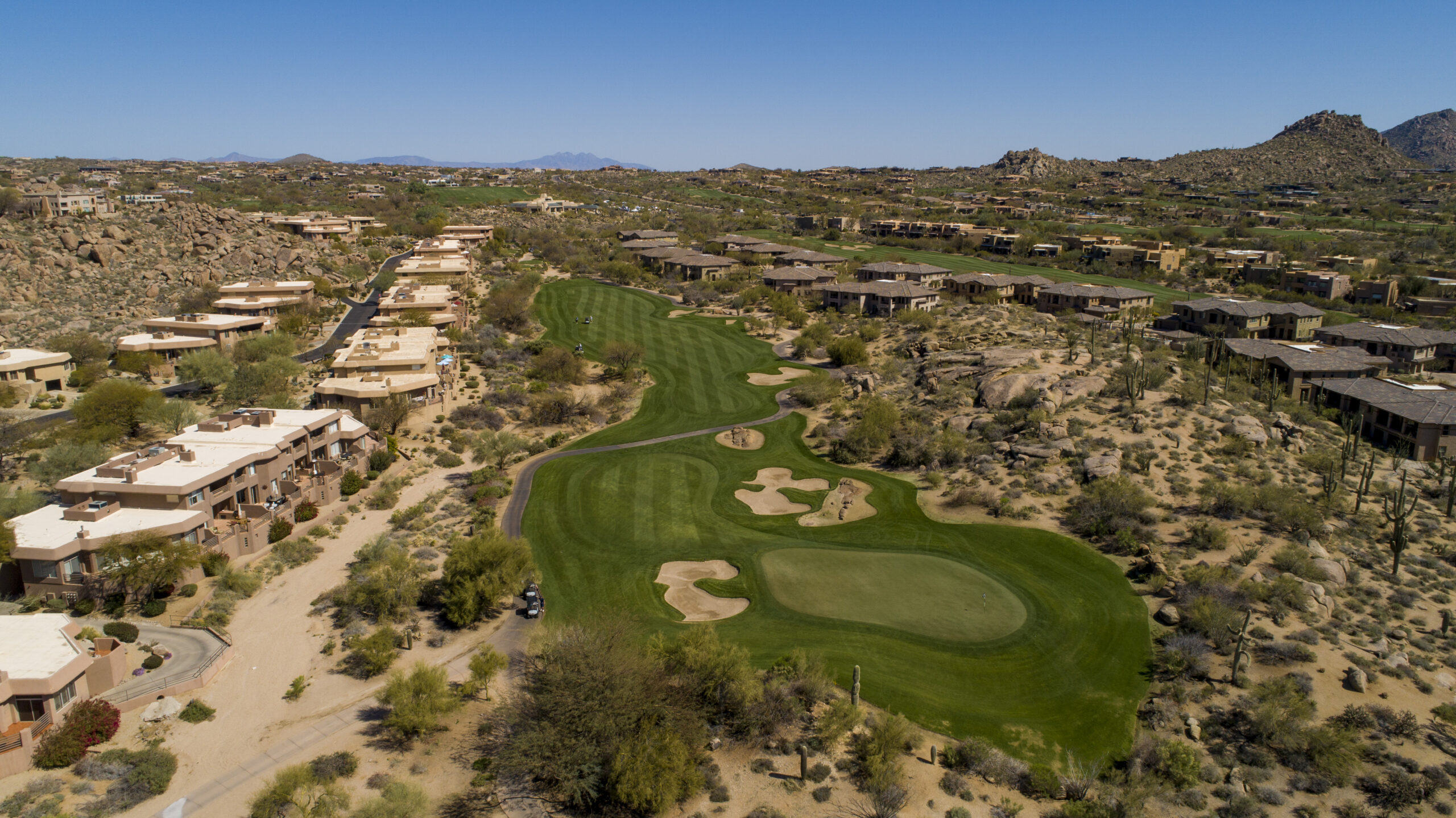
From the lush low country, we soar to the high desert of Scottsdale, Arizona, where Troon North’s Monument course unveils its 1st hole: “Hidden Green.” This opening par-4, designed by Tom Weiskopf and Jay Morrish, is a masterclass in subtlety and strategic deception. Elevated tees afford a sweeping view down the fairway, but the green? That’s where the architectural genius, and the hole’s name, truly comes into play.
“Because the fairway is slightly recessed, players will only be able to see the front right section of the putting surface, and that sliver of the dance floor doesn’t even begin to tell the story of the green complex’s shape or its contours.”
This “hidden” aspect isn’t just about a partially obscured view; it’s about the psychological impact. The green, cleverly recessed and bisected by a substantial slope, ensures that a seemingly safe shot to the center can be disastrous depending on the pin position. I’ve seen countless golfers, lulled by the wide-open expanse, discover the complexities of that green only after their ball has settled. It’s a brilliant architectural ploy – a gentle introduction to the course that cleverly conceals its immediate challenges, forcing you to pay attention, to truly “read” the ground before you. Weiskopf and Morrish understood that a great course doesn’t just ask for a powerful swing; it demands thoughtful course management from the very first tee.
The Pitfalls of Pete Dye: “Sand Box” at Whistling Straits (Straits)
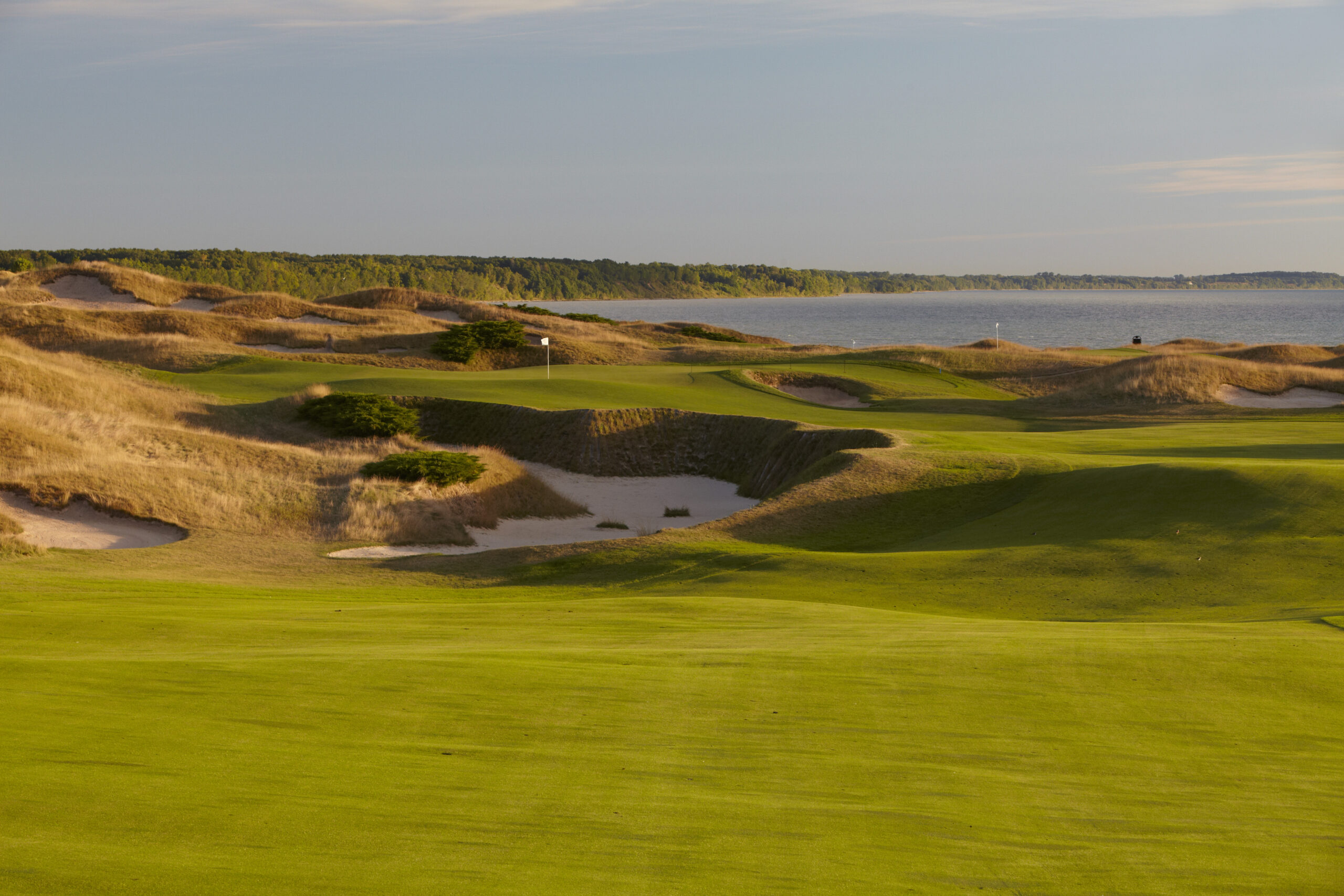
No discussion of unique golf architecture is complete without a pilgrimage to a Pete Dye design. Whistling Straits, carved out of an abandoned airfield along Lake Michigan, is a testament to Dye’s audacious vision. The 11th hole on the Straits course, a colossal par-5, perfectly encapsulates this with its name: “Sand Box.”
Imagine standing on the tee of a 645-yard par-5, the wind whipping off the lake, and seeing not just sand, but *oceans* of it. Dye, ever the provocateur, filled this course with countless bunkers, and the 11th is arguably their apotheosis. The name “Sand Box” is delightfully understated, almost playful, for a hole that can swallow golf balls whole. As the source wisely notes, the moniker can be interpreted in two ways:
“Some will say the Sand Box earns its moniker for all of the bunkers (more than 100 of them) that pepper both sides of the massively long fairway. Others will argue the name is based on the cavernous trap that guards the last 100 yards or so of the fairway on the left. Both perspectives would be correct…”
I lean towards the latter interpretation being the true inspiration. The gargantuan, primordial bunker that lurks on the left side, seemingly waiting to consume errant approaches, is a sight to behold and dread. It’s a strategic trap that forces tough decisions from hundreds of yards out. Dye’s brilliance lies in creating features that are visually stunning yet brutally penal, demanding respect and precision. The “Sand Box” is a prime example of his philosophy: make the player think, strategize, and execute, or suffer the consequences.
The Hallowed Grounds of “Hogan’s Alley” at Carnoustie
Finally, we cross the Atlantic to the cradle of golf, setting foot on the historically rich links of Carnoustie. Here, the 6th hole, a par-5, bears the recent but entirely appropriate name, “Hogan’s Alley.” While only christened in 2003 by the likes of Paul Lawrie, its essence harks back to a legendary performance by Ben Hogan in 1953.
Carnoustie is known for its unforgiving nature, its subtle challenges escalating under the often-harsh Scottish skies. The 6th typically plays into the teeth of the wind, and its strategic heart is a narrow landing area left of two central fairway bunkers, bordered by out-of-bounds. It’s a corridor that demands absolute precision. Hogan, in his legendary 1953 Open Championship victory, not only dared to take this treacherous line but executed it flawlessly all four days, carding birdies each time.
This hole, for me, embodies the true spirit of golf where brilliance is rewarded and courage is recognized. It’s not just a name; it’s a living tribute to one of the game’s greatest ball-strikers, a reminder of what pure execution looks like under immense pressure. Standing on that tee, looking down “Hogan’s Alley,” you can almost feel the presence of the Hawk, commanding his ball through the narrow passage. It’s a stark contrast to some of the modern holes built solely for drama, proving that sometimes, the greatest challenge is simply perfection.
Final Thoughts on Names and Design
These holes, from the calculated risk of “The Gambler” to the surgical precision demanded by “Hogan’s Alley,” illustrate a critical aspect of golf course architecture: names are not arbitrary. They are often a distillation of the architect’s intent, a geographical feature, or a moment etched in history. They guide, warn, and celebrate. For the discerning golfer and architecture enthusiast, these names add another layer of appreciation for the artistry and challenge presented by the course. They are, in essence, the soul of the hole, speaking volumes before your club ever touches the ball.
