

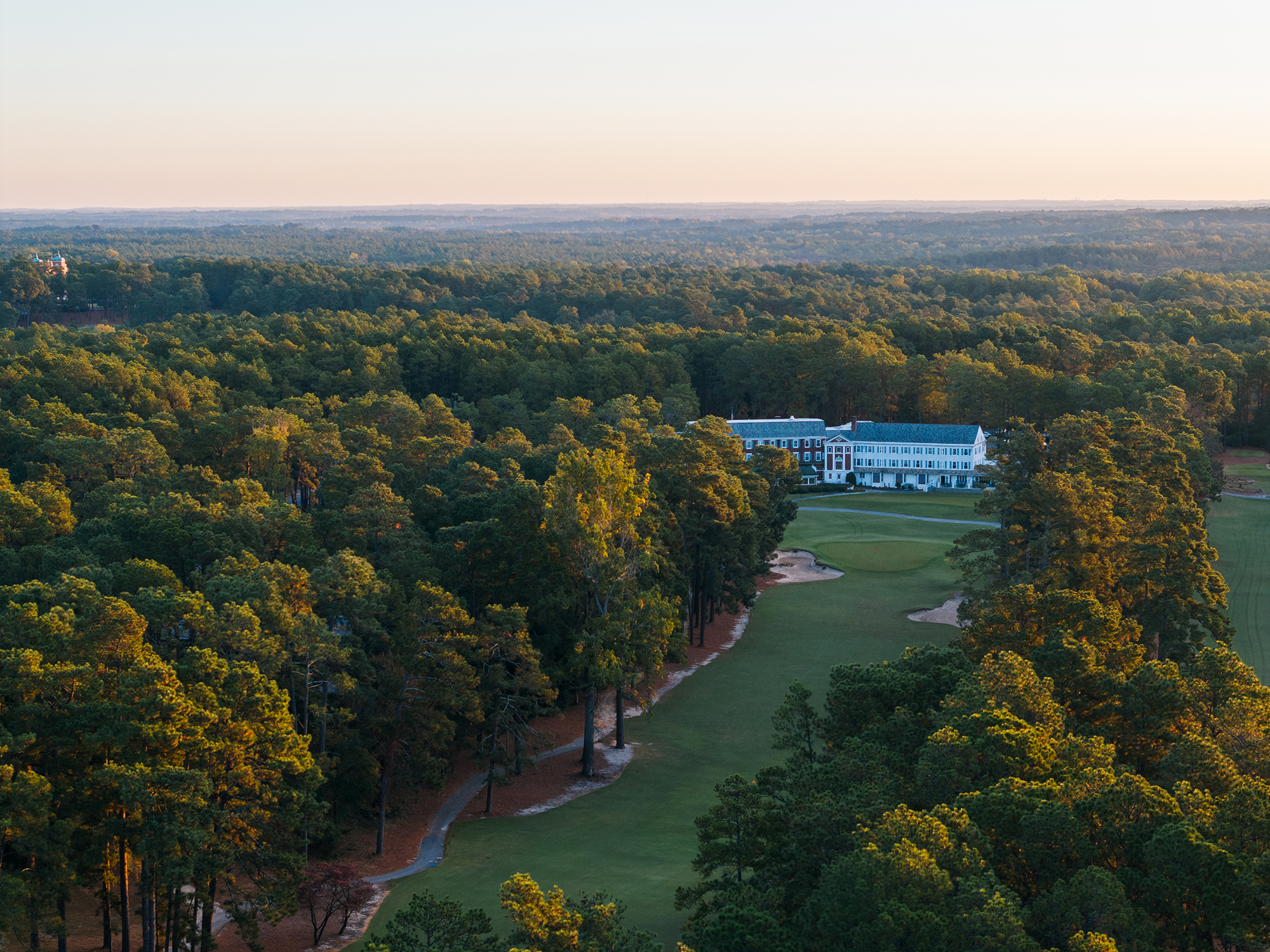

Ah, the Golden Age of golf course architecture. For an enthusiast like myself, it’s a period that sparks genuine awe, a time when visionary minds like Donald Ross, A.W. Tillinghast, and Alister MacKenzie etched their masterpieces into the American landscape. They didn’t just build courses; they crafted experiences, daring tests of skill interwoven with the natural contours of the land. It’s no wonder that, as the architects of today will tell you, the bulk of America’s greatest courses sprung from this prolific era, roughly 1915–35, or even stretching to 1910–40 if you ask some.
I’ve been fortunate enough to walk the hallowed fairways of over 200 courses worldwide, and while modern design has its merits, there’s a timeless quality to these Golden Age gems that often leaves me breathless. They speak a language of strategy, subtlety, and challenge that often feels lost in today’s bomber-friendly designs. And the best part? Many of these celebrated layouts, though sometimes guarded, are indeed accessible to the public, offering a tangible link to golfing history.

One such destination that perfectly encapsulates this era’s magic is Pasatiempo Golf Club in Santa Cruz, California. Designed by the master, Dr. Alister MacKenzie himself, this is not a course that relies on brute force; it’s a cerebral challenge, a ballet of decision-making and precise execution. I remember my first round there, standing on the first tee, looking out over the rolling terrain. MacKenzie’s genius lies in making a seemingly shorter course play far more demanding than its yardage suggests. At 6,495 yards and a par 70, it might lull you into a false sense of security. Don’t be fooled.
“How can such a pipsqueak in the yardage department play so difficult? Try rolling terrain that’s crisscrossed by barrancas, slender fairways hemmed in by trees, hordes of deep, artfully sculpted bunkers, Pacific Ocean breezes, and nightmarishly quick, canted greens.”
That quote perfectly captures the essence of Pasatiempo. The undulations of the land, carved by nature and artfully amplified by MacKenzie, demand constant attention to lie and stance. The barrancas, those deep ravines that cut across the property, aren’t just hazards; they are strategic elements, dictating lines of play and rewarding bold carries. And the bunkers, oh, the bunkers! They are not simply sand traps but true MacKenzie creations, deeply carved and strategically placed to catch the errant shot or tempt the golfer into a perilous recovery. They’re a masterclass in risk-reward, forcing you to think not just about your next shot, but the one after that.

MacKenzie’s greens at Pasatiempo are legendary, and for good reason. They are not merely putting surfaces but intricate puzzles, with subtle slopes, tiers, and breaks that often defy initial reads. This demands both precise iron play and an imaginative short game. A recent Jim Urbina restoration has breathed new life into the course, meticulously bringing back much of the original MacKenzie magic. This attention to preserving the architect’s intent is what truly makes a Golden Age course sing, allowing subsequent generations to experience the design as it was meant to be played.
“A recent Jim Urbina restoration has put back much of the MacKenzie magic.”
Pasatiempo’s proximity to the Pacific Ocean, though not always directly visible, brings a distinct coastal breeze into play, adding another layer of challenge and requiring adjustments in club selection and ball flight. The trees, often framing the fairways, are not just aesthetic; they reinforce the strategic corridors MacKenzie envisioned. From the undulating terrain demanding varied shots to the artfully crafted bunkers catching the unwary, Pasatiempo is an exquisite example of strategic design where every shot requires thoughtful consideration.
This course is more than just 18 holes; it’s a living testament to MacKenzie’s design philosophy, where strategy and natural beauty coalesce. You’ll find yourself marveling at the genius of the routing, how each hole flows seamlessly into the next, and how the architect used the existing landforms to create compelling shot values. While it has been known to humble even the game’s greats – Ben Hogan, Byron Nelson, and Tiger Woods have never bettered 67 here – it offers a profoundly rewarding experience for any golfer who appreciates intelligent design and a true test of their all-around game.
Pasatiempo is undoubtedly one of Dr. Alister MacKenzie’s finest public-access courses, and a must-play for any golf architecture aficionado. It’s a course that reveals more of its secrets with each round, a truly enriching experience that underscores why the Golden Age of golf design remains so revered.
