



Hello, Daily Duffer readers! Sarah Chen here, your golf instruction editor, always ready to help you elevate your game. This week, I want to dive into something incredibly relatable that even the pros face: the mental game under pressure. We often see the polished side of professional golf, but a recent interview with Cameron Young after his Players Championship victory offered a rare and refreshing glimpse into the mental challenges at the highest level. His honesty provides us with some invaluable lessons we can apply to our own golf.
Cameron Young’s post-Players press conference was a masterclass in candid self-assessment, revealing a truly human side to a champion. He shared insights into the specific challenges of executing shots when the stakes were highest, especially on a notoriously difficult course like TPC Sawgrass.
Mastering Commitment Under Pressure
One of the most striking takeaways from Young’s interview involved his tee shot on the 18th hole, tied for the lead. Imagine the pressure! What was his thought process? He revealed two key elements:
“My thought process over that ball is, one, making sure that I’m committed to my line, and two, the overarching thought is I’m going to hit the best shot of my life right here.”
This is gold, golfers! Commitment to your line is fundamental, but that second part – the belief in hitting your best shot – is where the magic happens. Many of my students, from high-level amateurs to those just starting, struggle with self-doubt when the pressure builds. They aim, but they don’t fully commit, and their swing reflects that hesitation.
You can see the amazing result of Young’s commitment and belief. He “pummeled driver 375 yards down the right-center fairway — the longest drive in the recorded history of TPC Sawgrass’ 18th.” (Downwind, yes. Still!) That’s not just physical prowess; it’s a testament to mental conviction.
Here’s how you can cultivate that same commitment and belief:
Try this Drill: The “Vision & Trust” Pre-Shot Routine
- **Visualize:** Before every shot, whether on the range or the course, close your eyes for a second and vividly imagine your perfect shot in flight. See it land exactly where you want.
- **Commit:** Once you’ve chosen your target and your club, make an unwavering commitment to that decision. Tell yourself, “This is the shot I’m going to hit.”
- **Trust:** As you address the ball, remove any “what ifs” from your mind. Your only thought should be to trust your swing and your preparation. Swing with conviction.
Cameron Young’s drive at the 18th is the longest hit by any player on this hole in the ShotLink era (since 2004)
375 yards
— Justin Ray (@JustinRayGolf) March 15, 2026
<
Conquering Short Putts and Sheer Terror
Perhaps the most endearing and relatable part of Young’s interview was his admission about the final putt to win.
“I was really, really good until I had to make the eight-inch putt on the last hole, and I just about fell apart.”
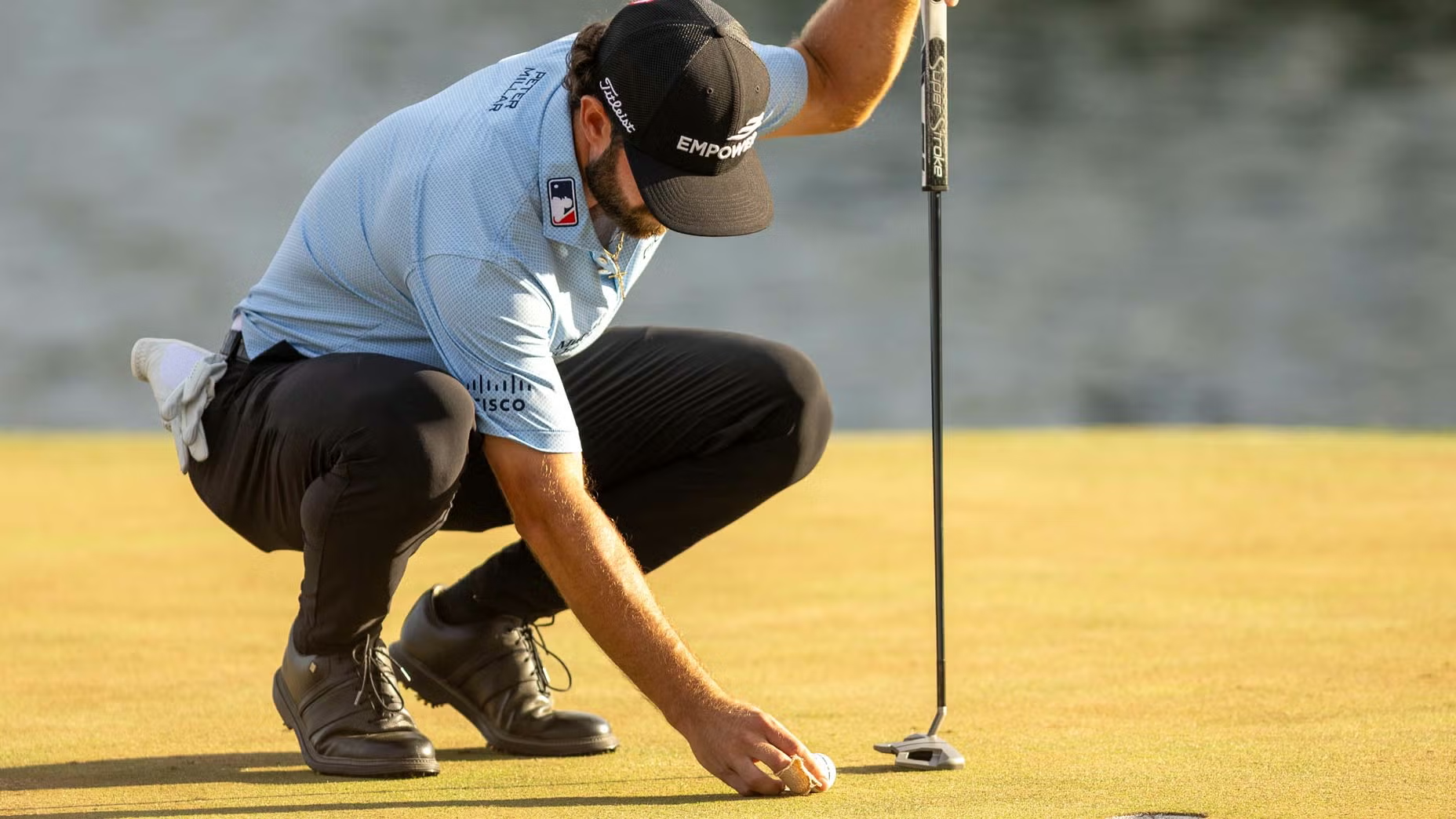
He described struggling to even put his ball down after re-marking it, battling “sheer terror” over what ShotLink recorded as a 16-inch putt (about a foot!). This highlights a universal truth in golf: short putts, especially for the win, are often the nerviest shots. Why? Because everyone expects you to make them, and the perceived failure if you miss can be paralyzing.
In my teaching experience, I see this all the time. A golfer can make a fantastic drive or a beautiful approach shot, only to crumble over a two-foot putt. The mental game around these “gimme” putts is vital. Young’s honesty reminds us that even champions aren’t immune to this feeling.
Here’s how you can build confidence on those crucial short putts:
Here’s a Drill: The “One-Handed Certainty” Drill
- **Set Up:** Place 5-10 balls in a circle around a hole, about 1-2 feet away.
- **One-Handed Putt:** For the first round, putt each ball using only your dominant hand, holding the putter closer to the grip. This forces a smoother, less handsy stroke and helps you find the sweet spot.
- **Two-Handed, No Aiming:** For the second round, use both hands, but don’t take a long time to aim. Just step up, get comfortable, and stroke it. The goal is to trust your instinct and commit.
- **Focus on the Hole:** For both rounds, keep your eyes on the back of the cup from the moment you address the ball until a second after impact. Don’t look up to follow the ball.
The “One-Handed Certainty” drill removes overthinking and focuses on pure feel and stroke mechanics, making those short putts feel less daunting when it counts.
Perspective from a Champion
Finally, Young’s perspective on happiness offers a broader lesson beyond the golf course. When asked why he doesn’t “look happier” even after winning, he provided a thoughtful response:
“I think, honestly, if you asked my wife, she would say ‘he’s a very, very happy person.’ And I am. I mean, I love my life, I love my family, I love my job. I couldn’t ask for much more. I’m healthy. I have healthy little children.”
He explained that in a press conference immediately after four grueling days of golf, his brain was simply exhausted. It’s a great reminder that even champions have their moments of fatigue and quiet reflection. What matters is the underlying joy and gratitude for the journey. For us amateur golfers, remember to enjoy the process, celebrate the good shots, and learn from the challenging ones. Golf is a lifelong journey of improvement, and every round offers an opportunity to learn and grow.
Cameron Young’s honesty makes him an admirable champion. His insights into commitment, handling pressure, and even just being tired are invaluable. Take these lessons to your next round, practice these drills, and remember that with the right mental approach, you too can conquer those moments of “sheer terror” and elevate your game!
