


The 2026 Masters Storyline We Should Actually Care About
I’ve been around this game long enough to know that the best Masters narratives rarely announce themselves on betting boards. Sure, everyone’s fixated on Scottie Scheffler at +430 odds, and rightfully so—the man’s been playing like he’s got a cheat code. But if you want my honest take after 35 years of watching this tournament unfold, the real intrigue brewing for April 2026 sits with three guys chasing history and one dark horse who’s learned something crucial about his own game.
Let’s start with what’s got everyone in the press room talking: three players—Xander Schauffele, Collin Morikawa, and Brooks Koepka—can complete the career Grand Slam with a victory at Augusta. That’s genuinely significant. Not many golfers get that chance, and when they do, it changes how they approach 72 holes at the most unforgiving major. I’ve caddied for guys who carried that weight, and it’s heavy. Real heavy.
But here’s where I think the conventional wisdom is getting ahead of itself.
When Form Trumps Narrative
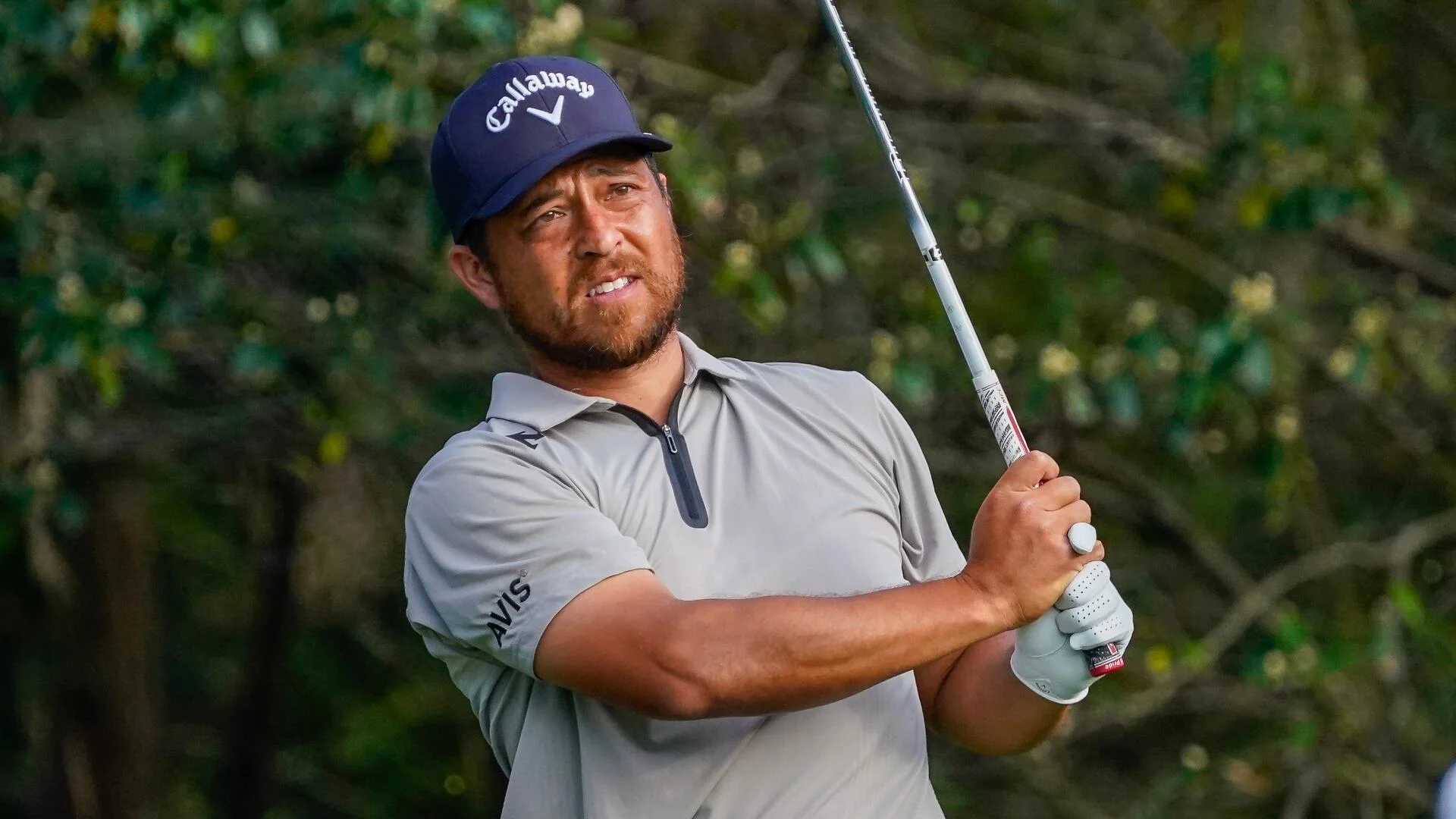
"Xander Schauffele, a two-time major winner and one of the favorites, stumbles and barely cracks the top 10. He’s had a rough start to the 2026 PGA Tour, as he missed the cut in his first event before placing 41st in his second."
That hit me differently than most predictions would. In my experience, when a guy like Schauffele—who won two majors in 2024 and has the game to win anywhere—starts stumbling in regular tour events, it’s never just mechanical. I’ve seen this movie before. The putter abandoned him. He ranked 76th in putting after sitting third just two years ago. That’s not a small thing. That’s a canyon.
The real reason this matters for 2026? Augusta punishes putting problems like few courses can. The greens don’t care about your major championship resume. They don’t care that you’ve won two of the other three legs. One three-putt from twelve feet below the hole, and you’re done for the day. Having followed his four recent trips to Augusta, where he’s missed the cut more times than he’s posted top-five finishes, I’d be wary too.
The Contrarian’s Case
What strikes me about Collin Morikawa at +2700 is that everyone’s sleeping on his Masters pedigree.
"Morikawa has been more consistent at the Masters than any other major. At no major does he have more top-fives (two), top 10s (three) or top 25s (five) than at Augusta National, which includes top-15 finishes in each of the last four years."
That’s the kind of pattern that catches my eye. In my experience, consistency at Augusta usually means two things: one, you respect the course and don’t try to hero your way through it, and two, you’ve got the temperament for it. Those top-15 finishes in four straight years? That’s not luck. That’s knowledge.
And here’s the kicker—Morikawa just won at Pebble Beach in mid-February, ending a 45-start winless drought, then followed it with a seventh-place finish at the Genesis. When a golfer breaks through like that, right before the spring majors, it usually means something clicked. Could be swing-related. Could be mental. Doesn’t matter. Momentum is momentum, and at +2700, he’s getting incredible value if he’s trending upward into Augusta.
The Shape of the Field
Here’s what’s really interesting about where we sit heading into 2026:
2026 Masters Favorites (via FanDuel)
- Scottie Scheffler: +430
- Rory McIlroy: +850
- Ludvig Aberg: +1100
- Jon Rahm: +1300
- Xander Schauffele: +1600
- Bryson DeChambeau: +1600
Scheffler and McIlroy are the only ones with single-digit odds. That tells you something about how the betting market views the depth of the field. There’s not a third horse separating itself from the pack, which usually means Augusta’s about to serve up something unexpected.
In 30 years of covering majors, I’ve learned that markets hate uncertainty. When you see that kind of odds gap—from +850 to +1100—it usually signals a field in flux. That’s where value hides.
Tiger and the Footnote
The article mentions Tiger Woods at +25000, "who hasn’t ruled himself out of competing."
I’ll say this carefully, because I have tremendous respect for what Tiger’s accomplished: I don’t see it. Not in 2026. I hope I’m wrong. But pragmatically, the train’s moved on. That’s not cynicism; that’s been watching elite golf athletes for most of my adult life. Some chapters close. It’s not sad—it’s the nature of the game.
What Actually Matters
What I keep coming back to is that the model behind these predictions has legitimacy. Nailing 16 majors, including four Masters in a row, isn’t luck. It’s pattern recognition at scale. The fact that it’s high on Morikawa and cautious on Schauffele suggests something the eye test might miss—and that’s where the real money usually hides.
Having spent three-and-a-half decades in this business, I’ve learned the best picks aren’t the ones that make sense on paper. They’re the ones that make sense when you understand context: form over narrative, consistency over one-off results, value over chalk.
April 2026 at Augusta is going to be fascinating. Probably not for the reasons you’d expect.
