


The murmurs from Ponte Vedra Beach have reached the farthest flung corners of the golf world, and for us architecture aficionados, it’s a melody to our ears. PGA Tour CEO Brian Rolapp, during the recent Players Championship, dropped a few tantalizing breadcrumbs about the Tour’s future schedule. The big takeaway, and one that resonates deeply with my own wanderlust for classic American layouts, is the desire to place an annual event in each of the top 10 media markets.
Currently, six of these titans of industry and culture lack a regular PGA Tour stop: New York, Chicago, Philadelphia, D.C., San Francisco, and Boston. Each of these cities, of course, has a rich golf heritage, having hosted their fair share of majors and Tour events over the decades. As a writer who has spent countless hours walking these hallowed grounds, imagining the strategic battles fought on their fairways, the prospect of regular returns sends a shiver of excitement down my spine. We’re hearing possibilities for 2027 or, more likely, 2028. The big question, naturally, is where? The fine folks at the LINKS Golf Podcast recently delved into this very topic, offering their own fascinating considerations.
“PGA Tour CEO Brian Rolapp’s State of the Tour press conference during the recent Players Championship didn’t provide all the answers about where the PGA Tour schedule was headed, but he did offer hints. One of the bullet points revealed was that the Tour would like to see an annual event each of the top 10 media markets, six of which are not being currently served.”
A Gem in the Capital’s Embrace: Chevy Chase Club
When you think of Washington, D.C. golf, a few storied names immediately spring to mind. But one course that might not always be front and center in the public consciousness, yet possesses an undeniable charm and architectural pedigree, is the Chevy Chase Club. To hear it mentioned as a potential host course for a future PGA Tour event is to recognize its quiet, enduring quality. Having walked its parkland fairways, I can attest to its subtle genius.

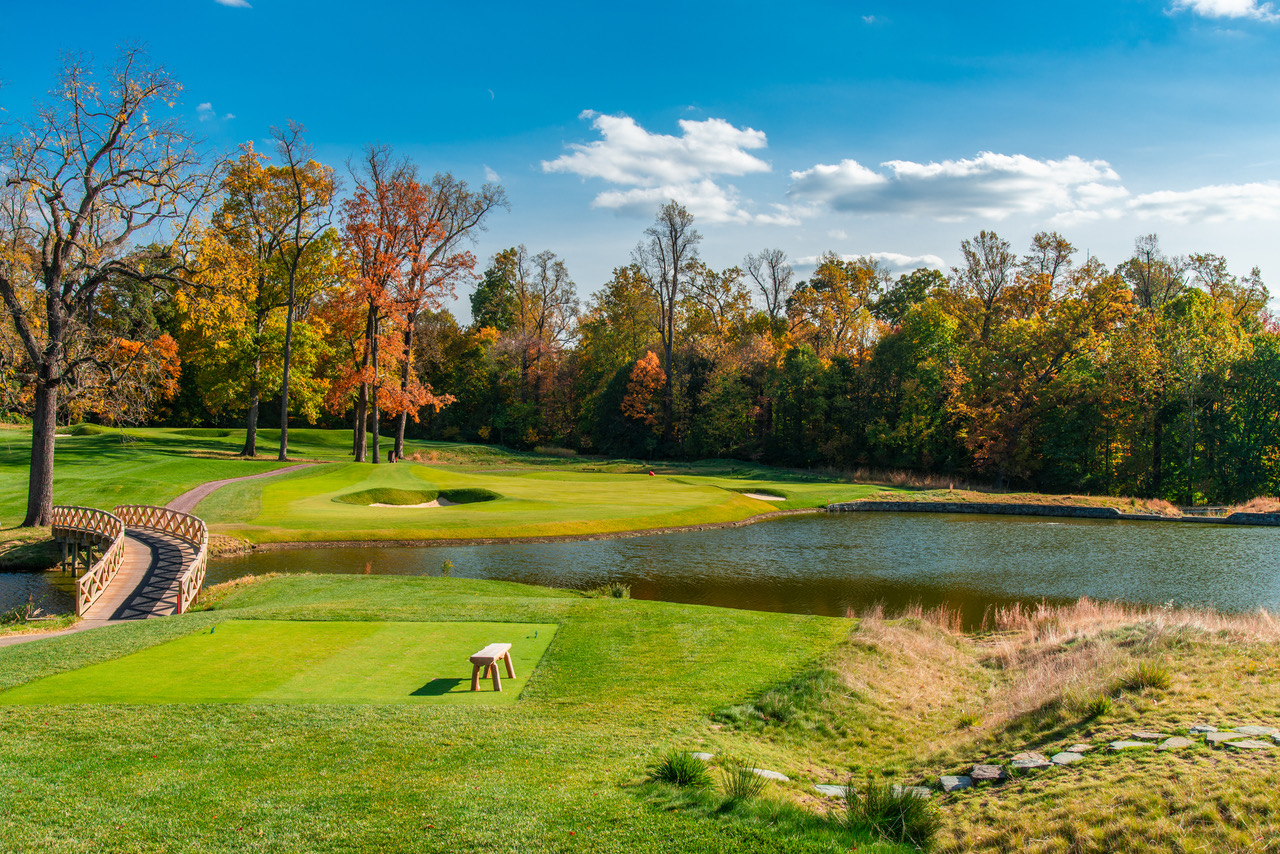
The Chevy Chase Club, originally laid out by the prolific Donald Ross in 1910 and later enhanced by William Flynn, offers a delightful journey through classic parkland golf. It’s a course that demands precision and thoughtful shot-making, rather than brute force. The routing is exceptionally natural, flowing with the undulations of the land as if the holes were simply discovered rather than built. You won’t find contrived dramatics here; instead, it’s a course that unfolds in a subtle, engaging manner, rewarding those who can read the subtle shifts in terrain and the often-deceptive green complexes.
Donald Ross, a master of strategic placement, designed courses that invite aggression yet punish hubris, and Chevy Chase is no exception. The greens, often subtly contoured and protected by intelligent bunkering, are the true heart of the course. They are not overly severe, but possessing a touch around these putting surfaces is paramount. Flynn’s later work respected Ross’s initial vision, enhancing the course without altering its fundamental character. This dual architectural lineage creates a truly compelling playing experience.
Beyond the architectural merits, the setting itself is captivating. Nestled amidst mature trees and elegant landscaping, just a stone’s throw from the bustling capital, the club provides an oasis of tranquility. The feeling of stepping onto these grounds is like entering a bygone era – one of refined elegance and understated luxury. For a Tour event, this proximity to D.C. makes it immensely attractive, offering players and spectators a unique backdrop.
“Each of these major cities has played host to major championships as well as PGA Tour events. If we’re on track to return to these markets—perhaps in 2027 or maybe more likely in 2028—here are the courses the hosts of the LINKS Golf Podcast would most like to see as hosts for these events.”
Could Chevy Chase Club truly host a modern PGA Tour event? Its length, while not extreme by today’s standards, is certainly respectable. More importantly, its strategic demands would test the world’s best. The tree-lined fairways require accuracy off the tee, and the aforementioned green complexes are far from benign. It would offer a refreshing contrast to some of the bomb-and-gouge layouts often seen on Tour, reminding players and viewers alike of golf’s enduring strategic core.
One of the most appealing aspects for a broadcast would be the immaculate conditioning, which is consistently superb. The course shines with a timeless beauty, presenting a verdant canvas for competition. While it is a private club, the allure of seeing professional golf played on such an exquisite, historically significant course, so close to a major media market, is profound.
The LINKS Golf Podcast’s suggestion is more than just a nod to a beautiful course; it’s a recognition of architectural merit and a hope that the PGA Tour will continue to seek out courses that offer more than just raw yardage. It’s about celebrating the art of golf course design and showcasing how these classic layouts can still provide a rigorous and captivating test for the modern player. As for me, I’ll be keeping a close eye on those future Tour schedule announcements, hoping that the whisper of these venerable courses hosting again becomes a roar.
The episode of the LINKS Golf Podcast that discussed these possibilities is available below for those interested in diving deeper:
_______________
For more golf discussion, you can always reach out on social media:
What did you think of the episode? Tell us in the comments below! Also, reach out to us on social media at X, Facebook, or Instagram!
