


The murmurs from PGA Tour headquarters are growing louder, echoing Brian Rolapp’s hints from The Players Championship press conference. The Tour, it seems, is keen on reconnecting with the heartbeat of American urban centers, specifically targeting the top 10 media markets. Six of these, including the likes of New York, Chicago, and the District of Columbia, are currently devoid of an annual Tour event. It’s an intriguing development for us golf architecture aficionados, promising a potential return to some venerable courses and a fascinating re-evaluation of others.
My ears perked up, as did those of the hosts of the LINKS Golf Podcast, at the prospect of the Tour revisiting these iconic cities, perhaps as early as 2027 or 2028. The question, of course, isn’t just *if* they’ll return, but *where* they’ll play. It’s a debate that stirs the soul of any true golf architecture enthusiast. And while Boston and San Francisco offer their own tantalizing options, my mind invariably drifts to the nation’s capital and one particular gem: the Chevy Chase Club.
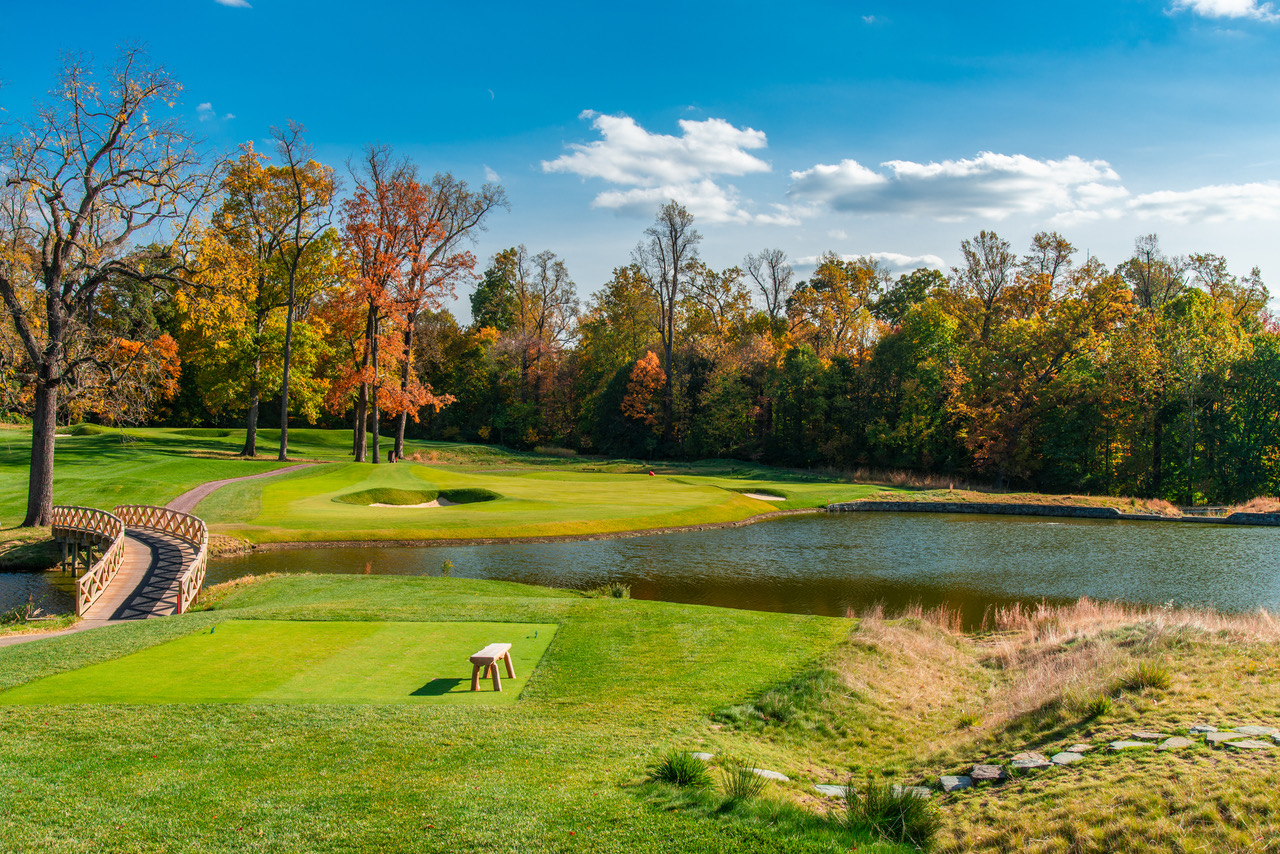
I’ve been fortunate enough to walk the hallowed grounds of hundreds of courses worldwide, and the Chevy Chase Club, nestled elegantly near Washington, D.C., possesses a quiet grandeur that belies its historic significance. It’s a course that demands respect, not for brute force, but for thoughtful execution and an unwavering appreciation for classical design principles.

The beauty of Chevy Chase is its timelessness. There’s an understated elegance to its routing, a dance through gently rolling terrain that feels as natural as the Potomac itself. It’s not overtly dramatic like some of Pete Dye’s audacious creations, nor does it feature the severe landforms often associated with Tom Doak’s more modern masterpieces. Instead, it speaks in the refined, strategic language of early 20th-century American golf architecture. The course likely owes much of its enduring character to its origins, with early work often attributed to pioneers such as Emmet and later William Flynn, though its evolution is a story unto itself.
What truly captivates me about courses like Chevy Chase is the way the land dictates the play. There are no contrived hazards here; the challenges emerge organically from the contours and natural features. The greens, often subtly sloped and guarded by artfully placed bunkers, demand an expert touch and a keen eye. They aren’t cookie-cutter targets but unique canvases that reward creativity and strategic positioning, rather than simply raw power. This intellectual engagement is precisely what separates a truly great course from a merely good one.
The prospect of seeing the world’s best navigate these classic layouts is thrilling. Imagine the roar of the crowds as a birdie putt drops on a critical hole, framed by the mature trees and the historic clubhouse in the distance. The atmosphere would be unparalleled, a blend of sporting drama and cultural significance.
“Each of these major cities has played host to major championships as well as PGA Tour events. If we’re on track to return to these markets—perhaps in 2027 or maybe more likely in 2028—here are the courses the hosts of the LINKS Golf Podcast would most like to see as hosts for these events.”
The decision to bring the Tour back to these markets recognizes that golf is more than just a game; it’s a spectacle, an experience, and a part of the local fabric. For a city like D.C., with its rich history and international prominence, hosting an annual PGA Tour event at a course like Chevy Chase would be a homecoming of sorts, a resurgence of its classic golfing heritage on a global stage.
While the Tour’s current schedule often favors more modern, sprawling layouts built to accommodate massive crowds, a venue like Chevy Chase reminds us of the virtue of intimacy and refined design. The infrastructure around D.C. could easily support a large event, and the club itself, steeped in tradition, would add an unparalleled sense of pedigree to the Tour calendar.
“PGA Tour CEO Brian Rolapp’s State of the Tour press conference during the recent Players Championship didn’t provide all the answers about where the PGA Tour schedule was headed, but he did offer hints. One of the bullet points revealed was that the Tour would like to see an annual event each of the top 10 media markets, six of which are not being currently served.”
The Tour players themselves often express a fondness for courses that challenge their intellect as much as their athleticism. Chevy Chase, with its strategic bunkering and subtly contoured putting surfaces, would present a formidable yet fair test. It’s the kind of course where a well-placed iron shot can truly shine, and where a deft touch around the greens is paramount.
For those of us who appreciate the art of golf course architecture, the potential return to these urban centers and their classic courses is a cause for celebration. It’s an acknowledgment that the rich tapestry of golf history, woven into the very greens and fairways of places like Chevy Chase, still holds immense value and appeal even in the modern era of professional golf.
As the discussions continue about where the PGA Tour schedule is headed, my hope, and indeed the hope of many golf traditionalists, is that the charm and architectural brilliance of courses like the Chevy Chase Club will be recognized. It’s a chance to witness world-class golf played on a truly world-class course, right in the heart of one of America’s most important cities.
_______________
What did you think of the episode? Tell us in the comments below! Also, reach out to us on social media at X, Facebook, or Instagram!
