

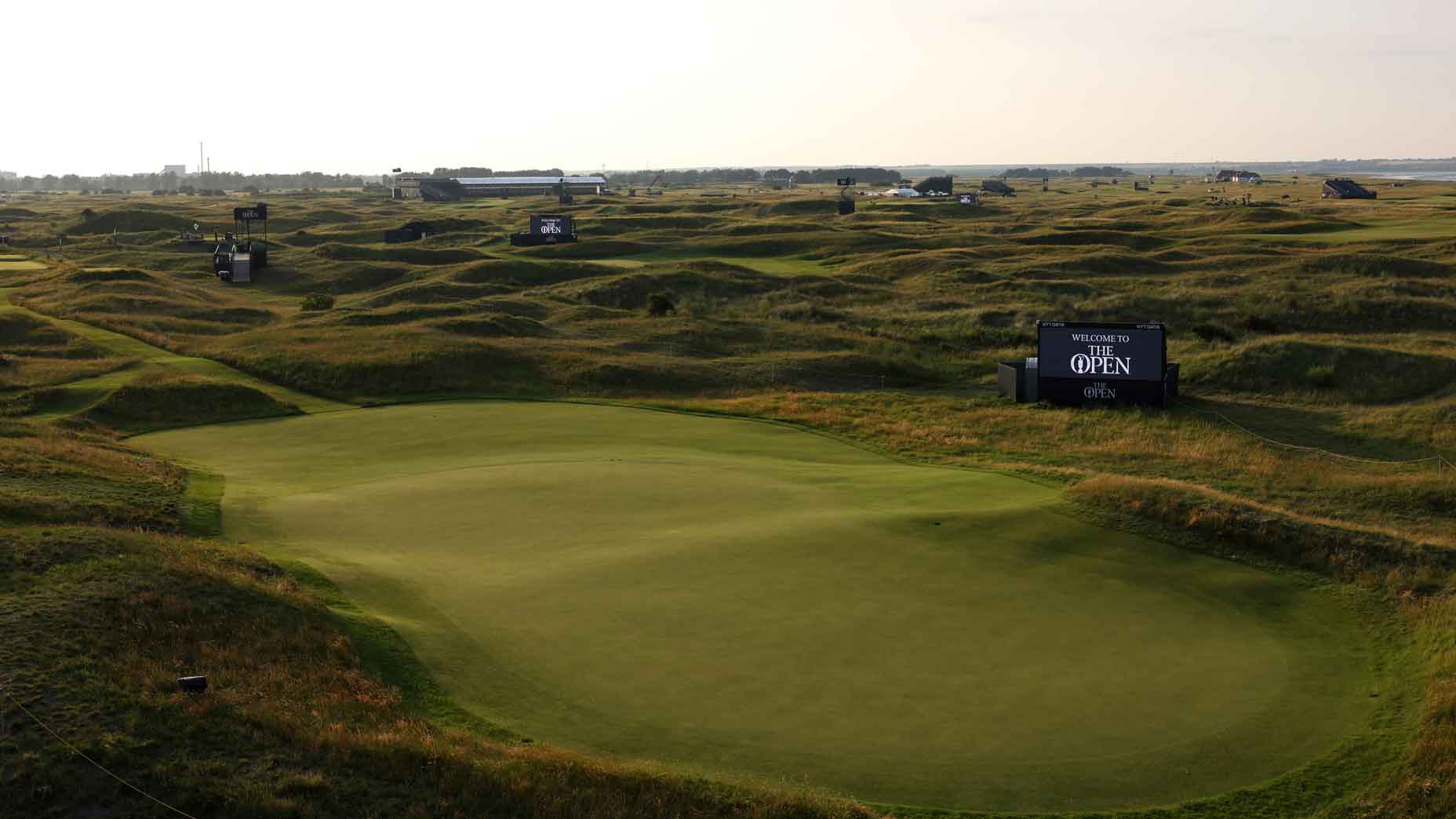

The Kent coast. It’s a place steeped in golf history, where the fierce North Sea wind sculpts dunes and tests the mettle of even the most seasoned links architect. For those of us who worship at the altar of raw, untamed golf, this stretch of English coastline is hallowed ground. And nowhere is that reverence more evident than in the legendary “Hagen 54” – an odyssey across three titans of links golf: Royal Cinque Ports, Prince’s, and the undeniable star, Royal St. George’s.
I’ve walked countless fairways across this golfing globe, marveling at the genius of Dye’s railway sleepers and Doak’s minimalist artistry. But there’s something primal, almost spiritual, about a pure links experience. It’s golf as it was meant to be, a battle not just against the course, but against the elements themselves. And few places offer such a compelling challenge as the Kent triumvirate.
The genesis of this epic journey, as recounted in the hallowed halls of golf lore, harks back to Walter Hagen, the game’s original showman. A man who understood that golf wasn’t just about the score, but the experience, the indulgence, the sheer joy of the chase. This was a man who, in 1920, with fellow pro Jim Barnes, decided an afternoon round simply wasn’t enough.
“One afternoon in 1920, having traveled to England’s Kent coast for the Open Championship, he and fellow pro Jim Barnes went all in on Hagen’s carpe diem ethos. They went out for a casual round, then decided that one round wasn’t enough.”
Their solution? A spontaneous, fence-hopping 54-hole marathon across these very links. It’s the kind of wild, impulsive adventure that speaks to the heart of every golf architecture enthusiast – the desire to simply keep playing, to soak in every nuance of design, to feel the wind on your face until the last vestige of light fades.
Today, that spirit lives on in the annual Hagen 54, a true testament to the enduring allure of these courses. While I personally haven’t yet embarked on this particular journey, the romantic notion of tackling 54 holes in a day, tracing the footsteps of golf’s greats, is a powerful draw.
Royal St. George’s: A Masterpiece Unequalled
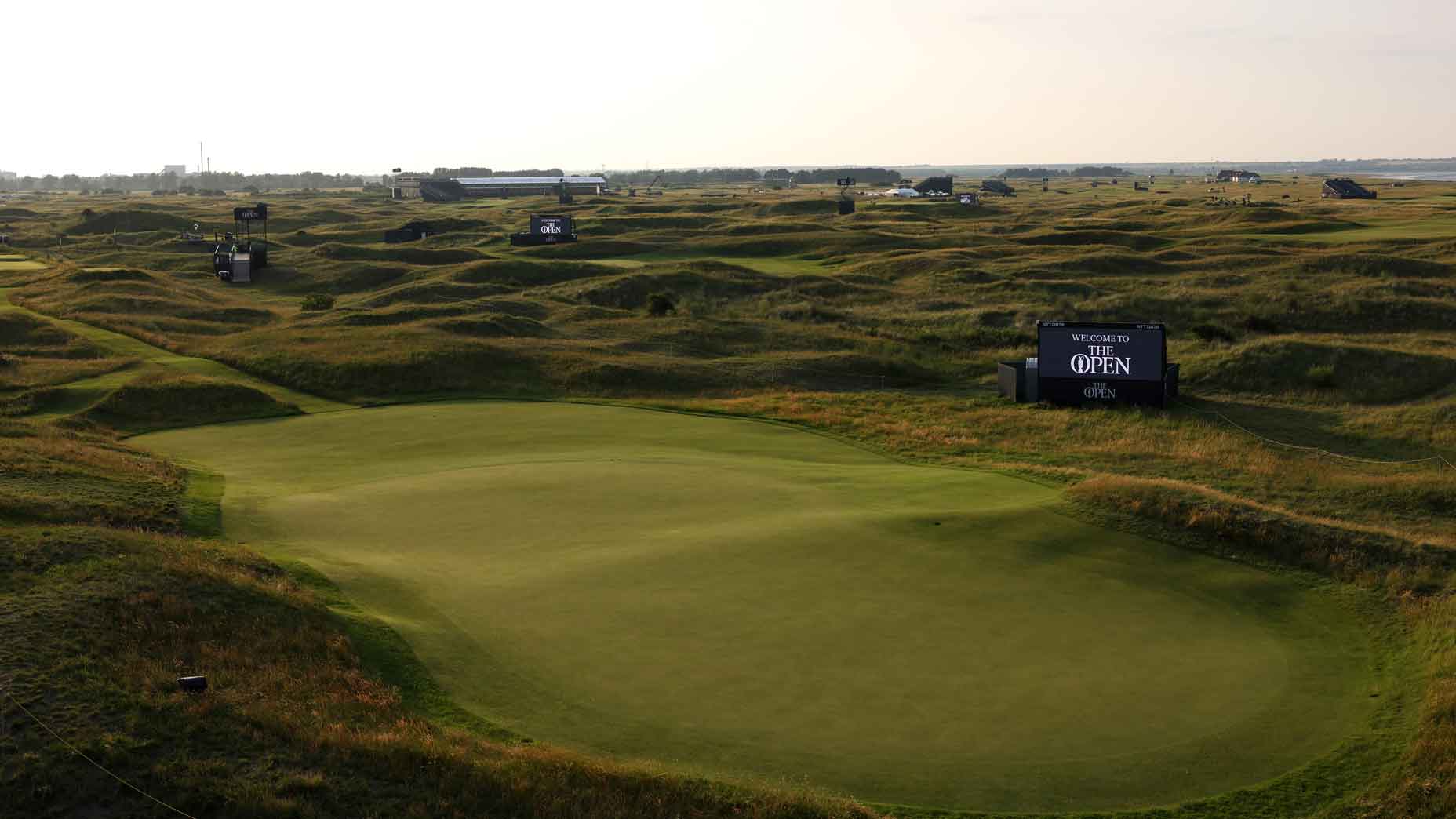
Let’s talk about Royal St. George’s. This isn’t just a golf course; it’s a living museum of strategic design. From the moment you step onto the property, you understand you’re in for something special. The raw, undulating landscape, carved by aeons of wind and tide, presents a canvas upon which the architects, primarily Dr. Laidlaw Purves, painted a masterpiece. There are no two holes alike, a hallmark of truly great links design. The routing constantly changes direction, ensuring you face the prevailing wind from every conceivable angle – a crucial strategic element that dictates club selection and shot shape. I find myself constantly evaluating the wind, the bounces, and the ideal line, just as I imagine the Open champions who have trod these fairways before me did.
The green complexes at St. George’s are notoriously subtle, a masterclass in deception. They aren’t overtly dramatic, but their contours are enough to send your perfectly struck approach scrambling into a collection area or, worse, a pot bunker. Take the famous Postage Stamp green at Royal Troon, miniaturized and multiplied. It’s a constant mental battle, requiring precision and imagination. This nuanced approach to green design tests touch and feel, rewarding those who can read the ground as much as the air.
What truly sets St. George’s apart, beyond its dramatic dunes and quirky blind shots, is its unwavering commitment to natural golf. The hazards aren’t manufactured; they are inherent to the land. The deep, revetted bunkers, the undulating fairways that can kick a good shot into a bad lie, the whispers of the fescue – it all adds to an experience that feels ancient and authentic. It’s a course that demands respect, patience, and a healthy dose of luck.
The Hagen Route: More Than Just a Round
The beauty of the Hagen 54, beyond the challenge itself, lies in experiencing the distinct personalities of these three courses. Royal Cinque Ports, a formidable Open Championship venue in its own right, offers a stern test, often battered by the elements. Prince’s, having been redesigned after World War II, presents a slightly different, though no less compelling, links experience. To play them consecutively, as Hagen and Barnes did, would be to gain a profound understanding of links golf’s varied forms.
“The core golf format remains unchanged since Hagen and Barnes blazed their exuberant trail — 54 holes in one continuous push across the three courses — but modern comforts have been added, with caddies, sustenance and camaraderie carrying players from one property to the next.”
It’s no longer quite the rough-and-tumble affair of Hagen’s day, which is probably a good thing for preserving both body and swing. The inclusion of caddies (a godsend across 54 holes!), on-course catering, and a welcome reception at Royal Cinque Ports sound like the perfect blend of historical challenge and modern comfort. It’s about celebrating the spirit of adventure without subjecting yourself to unnecessary privation.
Planning Your Own Kentish Expedition
For those drawn to this extraordinary challenge, the Hagen 54 is an annual pilgrimage, and it sells out fast. The 2026 iteration is already fully booked, but entries for 2027 are now open. It takes place July 21-22, beginning with a welcome reception and BBQ at Royal Cinque Ports on the evening of the 21st – a fantastic opportunity to soak in the atmosphere. The main event, the 5:40 a.m. shotgun start, is a proper endurance test across “the Hagen Route.” The entry fee is £1,125 per person or £4,500 for a foursome. This isn’t just a golf trip; it’s an immersive experience into the heart of links golf history.
While an undertaking of this magnitude requires physical stamina, the mental fortitude to navigate 54 holes of championship links golf is perhaps even more demanding. It’s a chance to truly connect with the game’s roots, to understand the architecture that has stood the test of time, and to perhaps, just perhaps, channel a little bit of that “carpe diem” spirit that made Walter Hagen a legend.
