

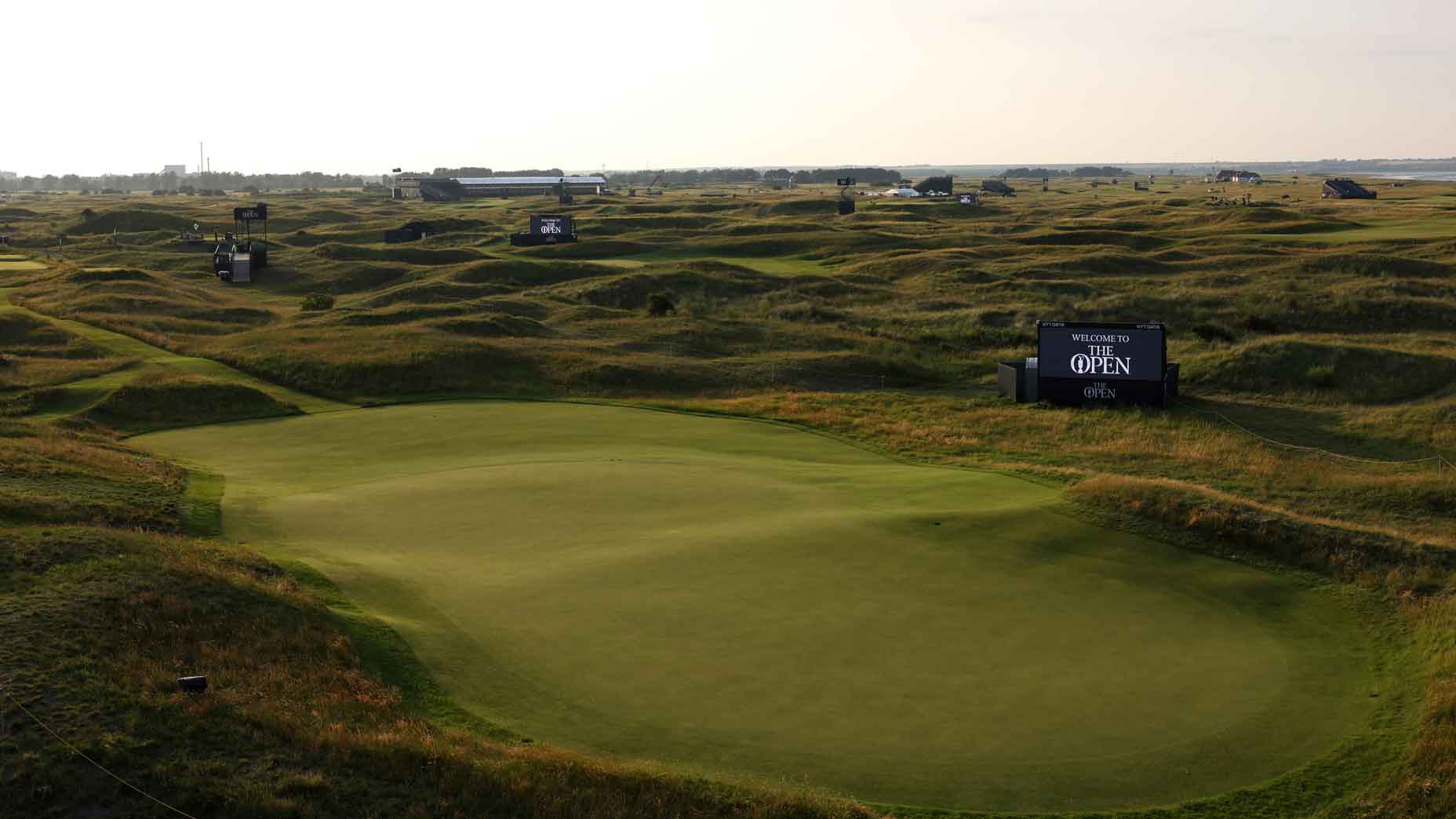

There are some corners of the golf world that stir the soul with a singular, almost primal intensity. For me, the Kent coast of England is one such place. It’s a land steeped in the very origins of our game, where the wind whips off the Channel, and the ancient links seem to breathe history with every gust. If you’re a student of golf architecture, or simply someone who craves a truly authentic links experience, this stretch of coastline, home to Royal St. George’s, Royal Cinque Ports, and Prince’s, is nothing short of hallowed ground.
I’ve walked the fairways of countless courses, from the minimalist marvels of Tom Doak to the audacious earthworks of Pete Dye, but the Kent links offer a different kind of magic. They are raw, untamed, and perfectly represent the naturalistic school of design that captivated early architects like Alister MacKenzie. Here, the land dictates the shot, not the other way around. It’s a golf that forces you to think, to adapt, to accept the bounces and the whims of nature. It’s a game of strategy, cunning, and often, humility.
The very mention of these courses instantly conjures images of golf’s Golden Age, a time when titans strode the fescue-lined fairways. It brings to mind an almost mythical tale involving Walter Hagen himself, the game’s original showman. Can you imagine the sheer audacity, the unadulterated joy of such an endeavor?
“One afternoon in 1920, having traveled to England’s Kent coast for the Open Championship, he and fellow pro Jim Barnes went all in on Hagen’s carpe diem ethos. They went out for a casual round, then decided that one round wasn’t enough.”
That spirit, that insatiable desire for more golf, is what defines this destination. Hagen and Barnes, in a stroke of pure inspiration, strung together 54 holes across these three legendary courses in a single, freewheeling day. This wasn’t merely a round of golf; it was an odyssey, a testament to the intoxicating allure of linksland golf. It’s the kind of spontaneous adventure that speaks to the heart of every true golf obsessive.
Royal St. George’s: A Majestic Enigma
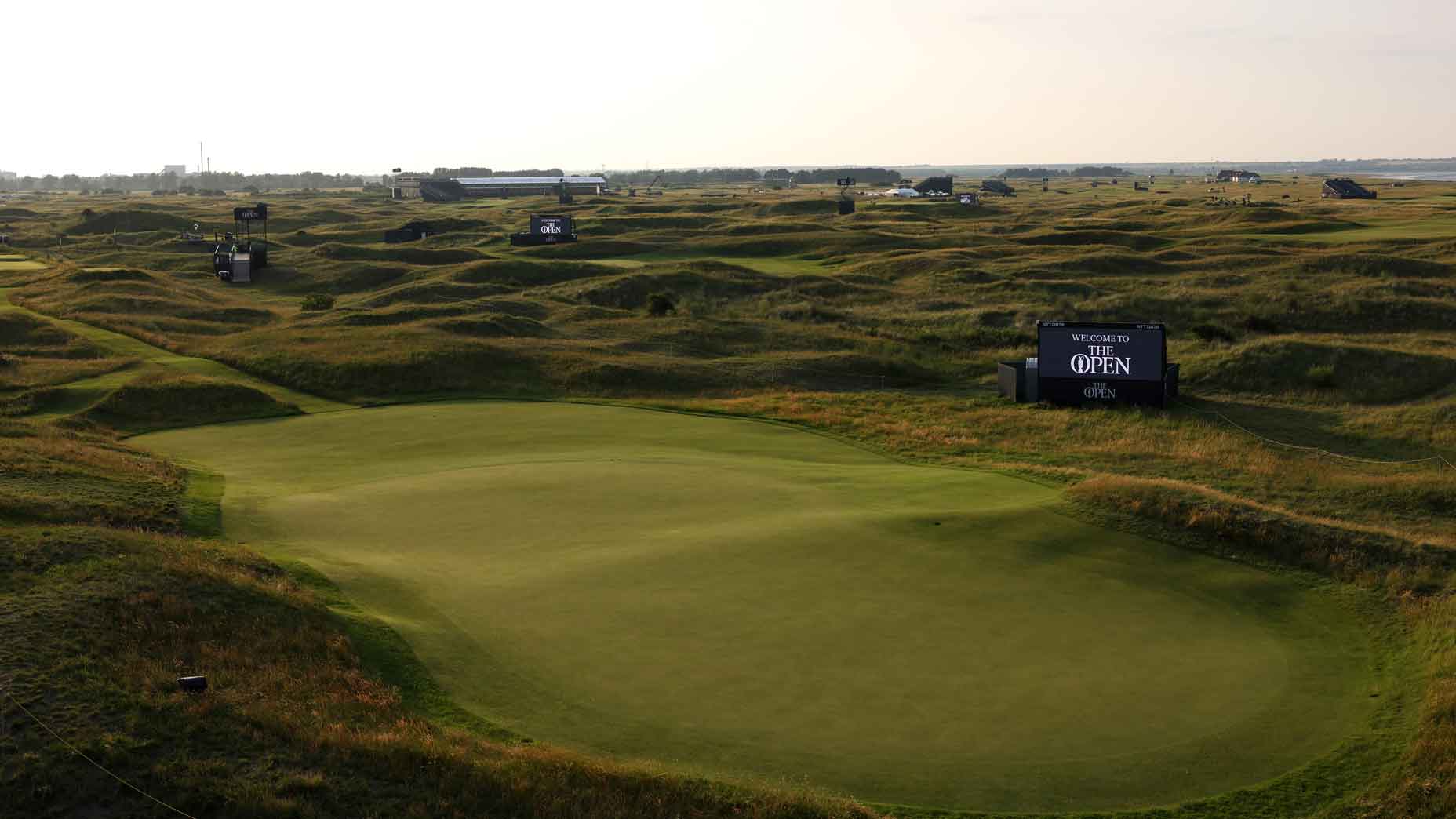
Royal St. George’s, often simply “Sandwich” to those who know it well, holds a special place in my architectural heart. It’s an Open Championship venue with a singular, quirky charm. Unlike the more regimented feel of some other Open courses, Sandwich truly embodies the “randomness” that makes true links golf so compelling. The land here rolls and undulates with a natural grace, demanding a diverse array of shots. There are no two holes that feel alike, and the strategic demands shift with every changing wind direction.
The routing is a masterclass in using existing landforms. The fairways twist and turn through dunes, many of which hide the greens from view until you’re upon them. The “Himalaya” bunker on the 4th hole, a monstrous sandy chasm, is a perfect example of the course’s bold character. MacKenzie, a great admirer of natural golf, would have surely tipped his cap to the unvarnished beauty of Sandwich, where the greens are often subtle, presenting challenges not through severe contouring, but through their tricky surrounds and the ever-present wind. It’s a course that rewards imagination and a willingness to embrace the unexpected.
Royal Cinque Ports: The Enduring Challenge of Deal
A short hop down the coast, Royal Cinque Ports at Deal offers a different, yet equally formidable, links examination. This course, another Open venue from a bygone era, is characterized by its dramatic, relentless nature. It’s often described as a brute, particularly when the wind howls off the sea. The back nine, in particular, can feel like a relentless march into the teeth of the elements.
What I appreciate most about Deal’s design is its commitment to stern, strategic golf. The fairways are often narrow, threading between dunes and punishing errant shots with thick rough or sandy waste areas. The green complexes, while not overly dramatic, are cleverly designed to repel mediocre approaches, demanding precision and control. It’s a proper links test, one that prepares you for the rigors of any serious competition.
Prince’s: A Modern Links Revival
Nestled between its two illustrious neighbors, Prince’s Golf Club provides an interesting contrast. While it too has Open Championship history, its more recent architectural evolution is fascinating. Damaged heavily during World War II, it was later redesigned substantially by Sir Guy Campbell, among others, and now features 27 holes, divided into the Shore, Dunes, and Himalayas nines. This allows for a variety of playing experiences and demonstrates a flexible approach to links golf that honors its past while adapting for the future.
Having played Prince’s, I can attest to its quality. The newer holes and renovated features have brought it firmly into the modern era of links golf, without sacrificing its DNA. The strategic bunkering and artful use of elevation changes make for a captivating round, and it’s a course that complements both St. George’s and Cinque Ports perfectly, offering a slightly different flavor to the links experience.
The Hagen 54: A Pilgrimage for the Passionate
The legend of Hagen and Barnes lives on in the annual Hagen 54. This event, born from that audacious 1920 round, is a “pilgrimage that is both a festive outing and an endurance test,” as the source article so aptly puts it. It’s a chance to truly immerse yourself in the spirit of links golf, playing 54 continuous holes across these three storied courses. While Hagen and Barnes had few comforts, modern participants are well catered for:
“modern comforts have been added, with caddies, sustenance and camaraderie carrying players from one property to the next. It’s golf on world-class venues, with on-course catering and someone to carry your bag if you’d like.”
The 2027 edition of the Hagen 54 is scheduled for July 21-22. Participants arrive the evening of July 21st for a welcome reception and BBQ at Royal Cinque Ports, with optional golf available for those keen to warm up. The main event kicks off the following morning with a 5:40 a.m. shotgun start, playing in fourballs across the Hagen Route. The entry fee is £1,125 per person (about $1,500) or £4,500 (about $6,000) for a foursome. It’s a significant commitment, both physically and financially, but for those who yearn for a truly epic golf adventure, it’s an unbeatable proposition. Imagine the stories you’d tell.
Planning Your Own Kent Coast Odyssey
Even if the Hagen 54 isn’t on your immediate agenda, a trip to the Kent coast is a must for any serious golf traveler. Sandwich, Deal, and Prince’s are all accessible for visitors, though booking well in advance is highly recommended, especially for Royal St. George’s. Embrace the elements, pack layers, and be prepared for golf that demands every shot in your bag – and perhaps a few you didn’t know you had. Stay in one of the charming coastal towns nearby, soak in the history, and experience golf in its purest, most ancient form. It’s an experience that will stay with you long after the last putt drops and the salt spray has dried from your face.
