

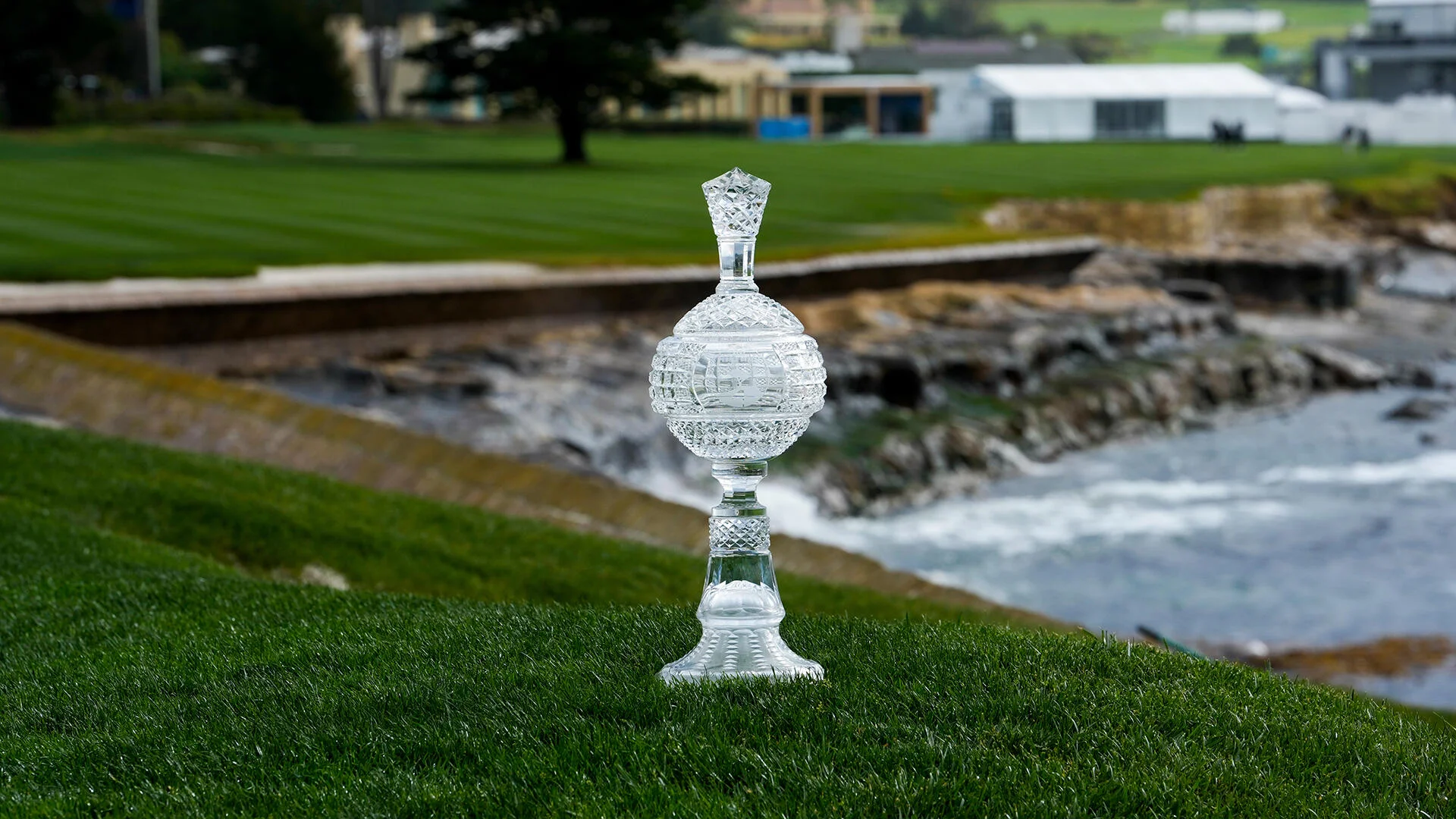

Parity Has Arrived—And It’s Exactly What Professional Golf Needed
After spending the better part of three and a half decades watching this tour evolve, I’ve seen dominance come and go. I’ve watched Tiger own entire seasons. I’ve seen Phil’s genius on display. And last year, I covered Scottie Scheffler’s historic run when he claimed half of the PGA Tour’s signature events—a feat that was equal parts brilliant and, frankly, concerning for the sport’s long-term narrative.
So when I looked at 2025’s signature event results and saw eight different winners across eight signature events, I had to pause and appreciate what we’re witnessing: genuine, game-wide parity at the highest level of professional golf. And that shift is more significant than a casual glance at the leaderboards might suggest.
The Shift From Dominance to Distribution
Here’s what struck me most: the PGA Tour specifically designed signature events with elevated stakes—bigger purses, stronger fields, guaranteed payouts—to create compelling competition. But when one player wins half of them, you lose that narrative tension. You lose the sense that anyone on any given week could legitimately contend for a trophy and a check worth
“$3.6 million and $4 million for the player invitationals.”
Last year was different. Rory McIlroy won at Pebble Beach. Justin Thomas captured his share. Different names. Different stories. Different champions. In my experience as a caddie for Tom Lehman and covering 15 Masters, I learned that golf’s appeal at the professional level isn’t just about watching the best player win—it’s about uncertainty. It’s about watching elite competitors rise to the occasion on the game’s biggest stages.
That’s exactly what 2025 delivered, and it matters more than you might think.
McIlroy’s Spring: A Blueprint for Sustained Excellence
Speaking of McIlroy, the defending champion at Pebble Beach had one of the more impressive early-season stretches I’ve seen in years.
“McIlroy enters as the reigning champion after kicking off a memorable spring in California last year, not only winning at Pebble Beach but adding The Players Championship and his first Masters green jacket to three early season wins.”
That’s not just winning—that’s a statement. A green jacket has eluded him until last year, and the fact that he wrapped it in with Pebble and The Players suggests something fundamental shifted in his approach. I’ve watched Rory for years, and there’s always been questions about his major championship performance. Seeing him answer those questions with actual hardware, while also dominating signature events, is the kind of narrative arc that drives legitimate interest in professional golf.
What’s particularly interesting is that McIlroy is just one name in a much deeper talent pool this year. That’s the real story.
Money Talks—And 2026 Is Listening
Let’s talk about the elephant in the room: the prize money structure. The AT&T Pebble Beach Pro-Am boasts a $20 million purse, with the winner taking home $3.6 million. But here’s where the Tour’s investment in these events really becomes relevant:
| Finish Position | Prize Money |
|---|---|
| 1st | $3,600,000 |
| 2nd | $2,160,000 |
| 3rd | $1,360,000 |
| 10th | $535,000 |
| 20th | $252,000 |
| 50th | $48,000 |
| 80th | $32,000 |
Every player in the top 10 clears half a million dollars. That’s significant money, but here’s what I think gets overlooked: it means the Tour is actually paying for performance across a wider range of outcomes. You’re not incentivizing just winners and runner-ups anymore. You’re creating financial security for a solid week’s work further down the leaderboard.
Does this dilute the incentive to win? Not in my view. I think what it does is level the playing field psychologically. A player no longer feels they’re battling for their tour card or their next paycheck if they finish 15th. They can focus on golf, not desperation.
The 2026 Season Kicks Off With Questions
This week at Pebble Beach, we’re starting fresh. McIlroy is back, hunting for consecutive titles. Tommy Fleetwood,
“who won the FedEx Cup a year ago,”
is making his 2026 debut. The field is as deep as I’ve seen it in years—80 players, all with legitimate chances, all with real money on the line.
What I’m watching for this season isn’t just who wins, but whether parity holds. Can we avoid another year where one dominant player takes over? Or was 2025 an anomaly—a correction before we return to superstar supremacy?
Having watched this game evolve over 35 years, my instinct says the Tour has learned something. The signature event structure, the purse distribution, the depth of talent—it all points toward sustained competition. And that’s good for the game, good for sponsors, and good for fans who want to see something different every week.
Pebble Beach starts today. Let’s see if parity holds.
