

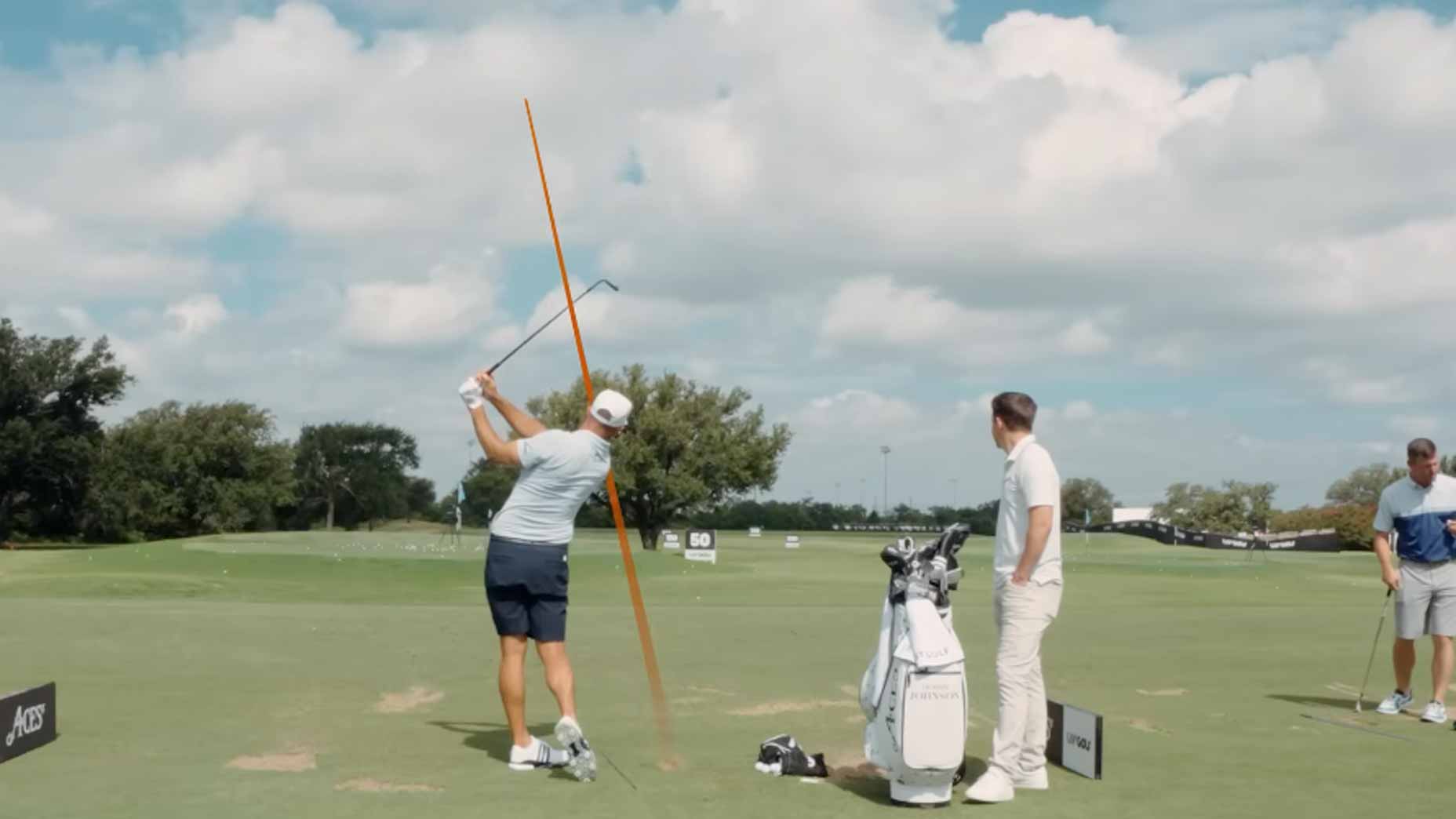

Unlocking the Secrets of Dustin Johnson’s Wedge Game: A Comprehensive Guide
Dustin Johnson, a name synonymous with power and precision in the world of golf, has captivated fans with his bomb-and-gouge style. While many players focus primarily on distance off the tee, it’s equally essential to master the art of wedge play for scoring success. How does DJ generate such incredible speed and distance? And more importantly, how does he optimize his wedge shots? Read on to discover insights from Johnson himself on enhancing your golf game, particularly through effective wedge practices.
Understanding the Importance of Wedge Play
In competitive golf, distance is crucial, but it is the precision of wedge shots that often determines the final score. Johnson’s explosive tee shots are complemented by his exceptional wedge play, which is crucial when approaching the green. Whether you’re trying to get out of a tricky lie or setting up for a birdie, mastering your wedges can turn potential bogeys into pars and birdies. This importance is often overlooked by amateur players, who tend to emphasize long drives over the finesse required for successful wedge shots.
DJ’s Pre-Round Warm-Up Routine
Dustin Johnson’s typical pre-round routine consists of multiple essential elements: an off-site workout to warm up his muscles, followed by a dynamic stretching session at the course, and a series of technical putting drills. This comprehensive approach ensures that he is physically prepared and mentally focused before stepping onto the driving range. By the time Johnson starts hitting balls, he’s already established a routine that gears him up for the technical aspects of his game.
The Role of Launch Monitors in Modern Golf
In a recent episode of Warming Up with GOLF’s Dylan Dethier, Johnson discussed a crucial tool that has transformed his wedge game: the Full Swing launch monitor. Previously, many players, including DJ, relied heavily on feel rather than data, a practice that may have limited their improvement. However, since integrating the launch monitor into his routine around 2016—the year he clinched the U.S. Open—Johnson has seen remarkable progress in his wedge performance. This technological advancement allowed him to understand and refine his shots better than ever before.
The Impact of Data on Proximity to the Hole
After starting to employ launch monitors, Johnson skyrocketed from ranking just outside the top 40 in proximity to the hole with shots from inside 100 yards to landing in the top three on tour. The data-driven feedback provided him with instant insights, allowing for a sharper focus during practice sessions. The ability to gauge how far each wedge shot traveled has helped him dial in his precision on the course, making data analysis a game-changer for Johnson and many other players.
Strategy Enhanced by Technology
The use of the launch monitor also contributed to enhancing Johnson’s overall on-course strategy. By pinpointing specific distances for different shot types, he has adapted his game to pay more attention to strategizing his approach on various holes. Rather than going for an overly aggressive play that could lead to disastrous outcomes, Johnson opts for calculated decisions, such as leaving himself with an advantageous yardage for his wedge shots. This disciplined approach allows him to maximize his scoring opportunities.
The Three-Shot Method for Consistency
One of the fundamental strategies in Dustin Johnson’s wedge game is his "three-shot method." This consistent routine starts every practice session, which helps him foster a reliable touch around the greens. Johnson’s method consists of working through three distinct types of shots with each wedge: a half swing, a three-quarter swing, and a full stock swing. By training these specific shots, he ensures that he can produce reliable distances and trajectories when faced with real challenges on the course.
Distances Defined: Johnson’s Wedge Yardages
For a detailed example, let’s examine DJ’s 60-degree wedge. During practice, Johnson establishes that his half swing should carry the ball around 85 yards, his three-quarter swing should send the ball about 95 yards, and his stock swing should deliver a shot that travels roughly 105 yards. This establishment of yardages helps him create a bank of distance options that he can choose from depending on the situation he faces during a round.
Real-Time Feedback: The Key to Progress
After each shot, Dustin Johnson receives instant feedback from his launch monitor. This real-time data allows him to confirm whether each shot traveled the expected distance. By refining his technique based on this feedback, Johnson ensures that each aspect of his wedge play is solid. By adopting this approach, golfers of all skill levels can emulate his practice regimen and improve their own wedge games.
Conclusion: What You Can Learn from DJ’s Techniques
Dustin Johnson’s success stems not only from his ability to hit the ball long but also from his commitment to mastering every aspect of his game—including wedge play. By combining physical preparation, cutting-edge technology, and a structured practice routine, DJ has elevated his game to new heights. Whether you’re an aspiring golfer or a seasoned player, incorporating these strategies can profoundly enhance your wedge play and overall performance on the golf course.
By paying attention to both the technical and strategic elements of the game, you’ll be better equipped to face the challenges that come your way. Start focusing on your wedge game today—because a powerful drive might turn heads, but a precise wedge shot wins matches.
