


Ah, the immortal quest for the perfectly named golf hole. We’ve all encountered those stretches of turf, be they three-hole gauntlets or individual tests, that wear their nicknames like a badge of honor. As a perpetual wanderer of links and fairways, having dissected over 200 courses, I can attest that the truly great monikers don’t just label; they whisper secrets, warn of peril, or celebrate triumph. They speak to the very soul of the architecture.
While the ‘Bear Trap’ at PGA National or Augusta’s ‘Amen Corner’ are deservedly iconic, what truly captivates me are those singular holes whose names are utterly, profoundly, and often wickedly fitting. These aren’t just arbitrary tags; they are essential design insights, encapsulating the architect’s intent and the player’s anticipated struggle or delight. Let’s delve into a few that have left an indelible mark on my golfing psyche, places where the name is as integral to the experience as the contours of the land itself.
The Gambler: Ken Still’s Masterstroke at King’s North
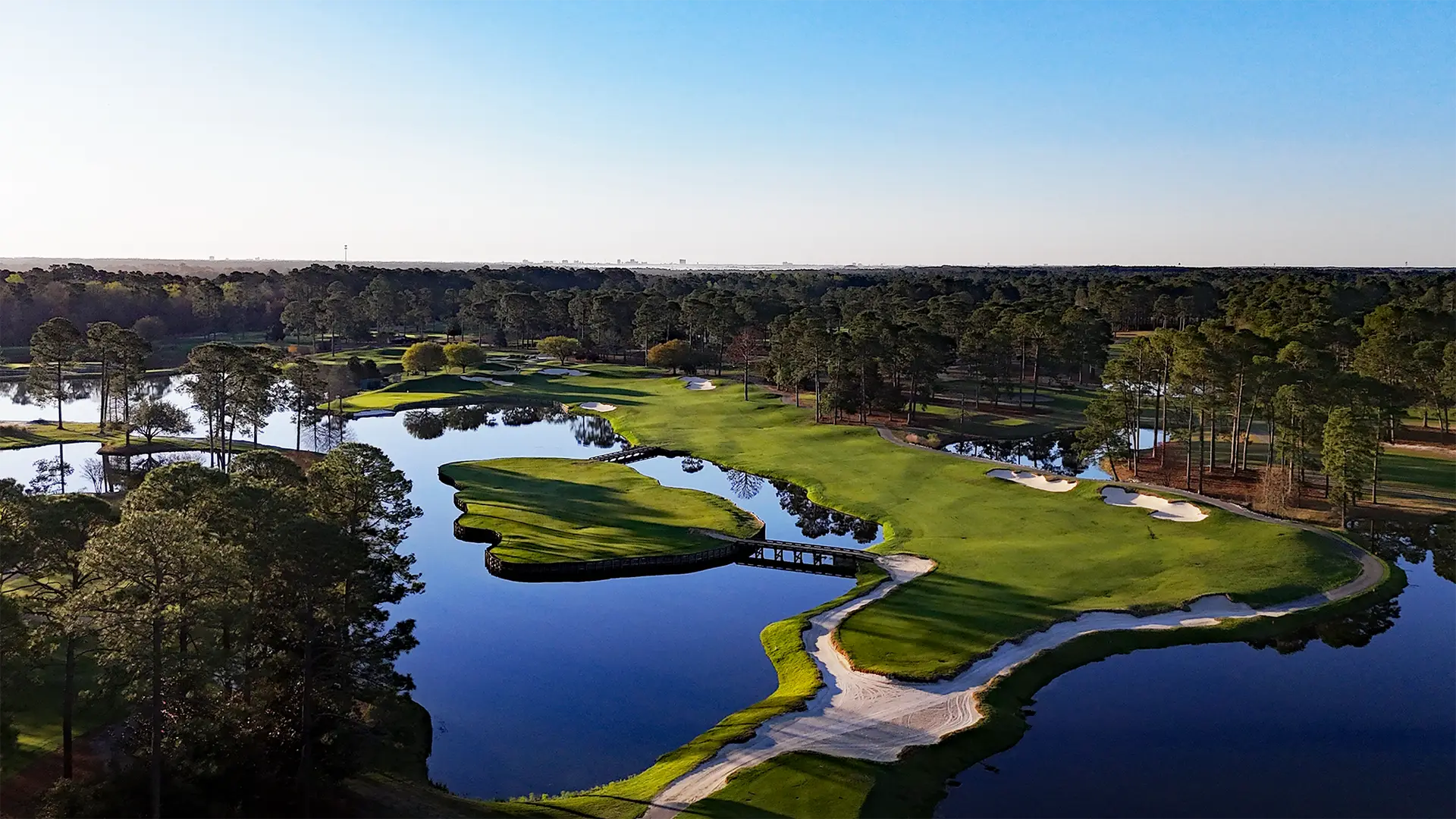
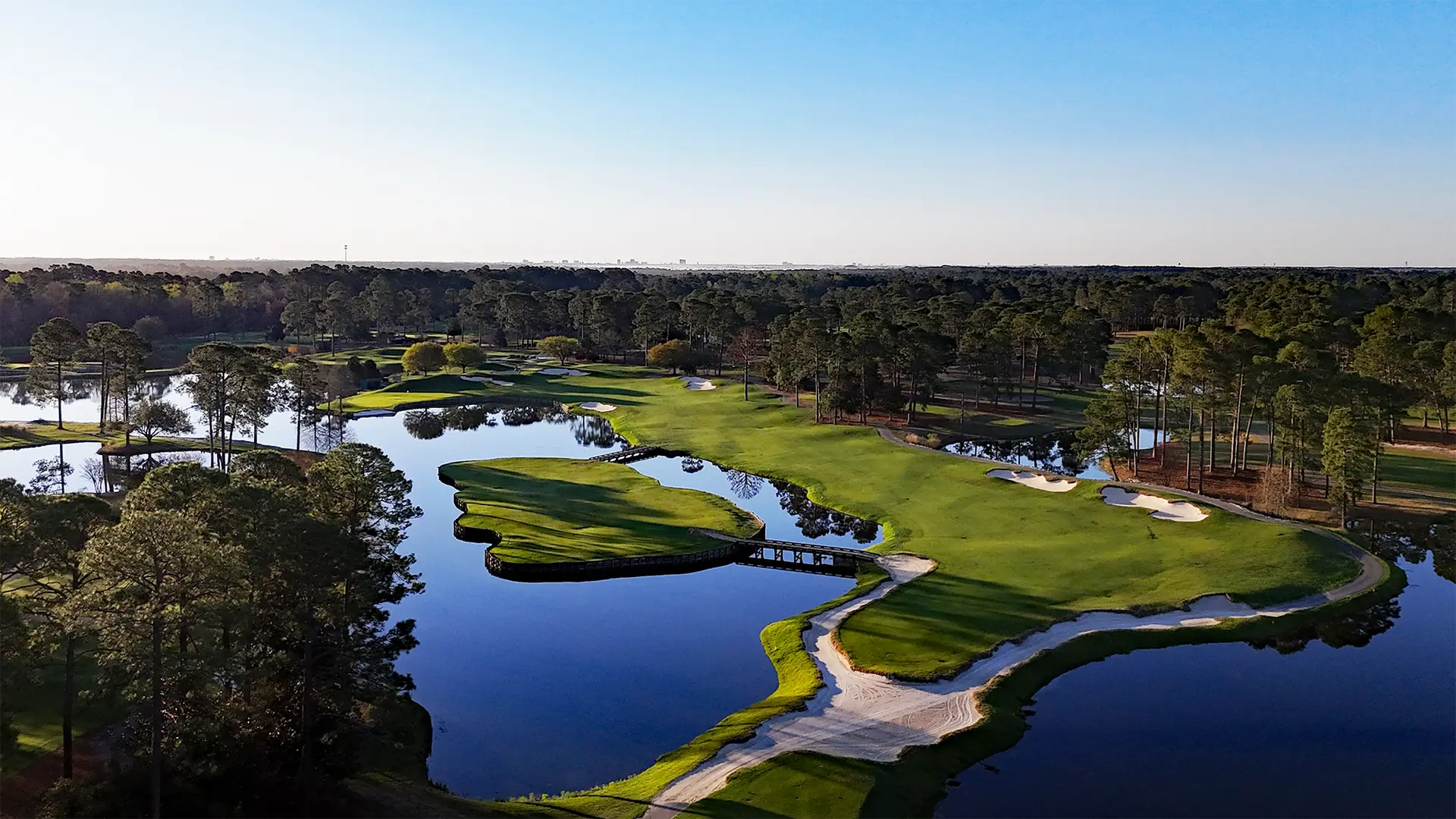
Myrtle Beach is a golf mecca, a place where courses are plentiful and the pursuit of a birdie is paramount. But few holes in the Grand Strand region stand out with the audacious brilliance of the 6th at King’s North, aptly christened “The Gambler.” This Gen. G.T. “Corky” Pruett layout, with an assist from Arnold Palmer, offers a par-five that defies convention and actively dares you. From the tee, the primary fairway is a safe bet, but it’s the alternate path that ignites the competitive spark.
“Those who live dangerous and take aim at that island fairway might have only 150 or 160 yards into the green, but such a tee shot comes with plenty of risk—hence, this hole’s name: The Gambler.”
This island fairway, a beacon of ambition floating amidst water, is a classic high-risk, high-reward proposition. Pete Dye, with his penchant for dramatic carries and psychological warfare, would undoubtedly approve. The architectural brilliance here lies in the stark choice it presents: play it safe and face a long iron or hybrid into the green, or unleash a heroic drive to the island, potentially leaving yourself with merely a wedge. I’ve watched countless groups here, and the deliberation, the nervous glances, and the occasional triumphant roar or despairing splash are a testament to the name’s absolute truth. It’s a moment of pure golf theater, born from a clever design that plays directly on the human desire for glory.
Double Trouble: Dye’s Desert Test at PGA West
From the lush Carolina coast, we journey to the parched desert landscape of La Quinta, California, home to PGA West’s Stadium Course. Here, Pete Dye’s influence is unmistakable, a testament to his belief that golf should challenge players both physically and mentally. The 5th hole, ominously titled “Double Trouble,” is a quintessential Dye design, perfectly marrying the name with the architectural elements. The par-5 stretches a formidable 535 yards, and the name immediately conjures images of the trials ahead.
“With a water hazard first spanning about 280 yards on the left side of this very subtle double-dogleg, and then a second lake protecting the remaining 155 yards on the right side of the fairway (not to mention the front-right portion of the green), golfers are certain to feel at least a tinge of anxiety at some point across these 535 yards.”
This description is spot on. Dye’s genius here is how he frames the hole, using water not just as a boundary but as an inescapable force. The first body of water on the left demands precision off the tee, discouraging an aggressive cut. Then, as if one watery grave wasn’t enough, a second lake emerges, guarding the approach and the green. It’s a relentless psychological assault. Having played this course, the feeling of being squeezed, with water on both sides and an unforgiving green complex, is palpable. “Double Trouble” isn’t merely a name; it’s a course mandate, forcing strategic decisions and punishing anything less than perfect execution. It’s textbook Dye: beautiful, intimidating, and endlessly talked about.
Calamity Corner: Royal Portrush’s Dramatic One-Shotter
Cross the Atlantic with me to the hallowed links of Northern Ireland, to Royal Portrush’s Dunluce Course. Designed by the masterful Harry Colt, this course is a pilgrimage for any golf architecture enthusiast. Colt’s understanding of natural landforms and how to integrate strategic challenge is on full display at the 16th, an intimidating par-3 known simply as “Calamity Corner.” This hole, devoid of the usual water features associated with such dramatic pars, proves that elevation and unforgiving terrain can be just as formidable.
“Miss short and right, and there’s a good chance you’ll be lying at least three by the time your ball comes to rest on the putting surface… If you want to avoid a calamity on your scorecard, follow the yardage guide’s advice and ‘take plenty of club and hit for the back left of the green.'”
Measuring a staggering 236 yards from the tips, “Calamity Corner” lives up to its billing. The green sits perched above a gaping ravine that plummets over 50 feet. It’s a visual feast and a terrifying prospect. The architectural genius is the subtlety of the strategic demand: the ravine isn’t a flamboyant lake but a raw, natural chasm that swallows golf balls and hopes with equal ease. The best line is to play a faded long iron or hybrid into the back left of the green, letting the natural contours work. Any miss, particularly short and right into the abyss, spells instant disaster. I’ve stood on that tee, wind whipping off the Irish Sea, the sheer drop daring me to push my limits. The name isn’t hyperbole; it’s a stark, accurate warning, a promise of scorecard devastation for the unprepared or the under-clubbed.

These holes, whether they challenge your courage, test your resolve, or demand impeccable precision, all share one crucial element: their names are not mere labels but extensions of their architectural identity. They are whispers from the past, warnings for the present, and legends for the future. And for a golf architect enthusiast like myself, these perfectly named holes are a testament to the enduring craft and mystique of golf course design.
