


There are certain places in golf that transcend mere turf and tee boxes, evolving into something mythical. TPC Sawgrass, and specifically THE PLAYERS Stadium Course, is undeniably one of them. Pete Dye’s creation in Ponte Vedra Beach, Florida, isn’t just a golf course; it’s a crucible, a stage, and a masterclass in psychological warfare masquerading as a round of golf. Having walked these hallowed grounds myself, feeling the Florida sun beat down and the ever-present breeze whisper through the pines and palmetto, I can attest to its magnetic pull.
The course is not about grandeur in scale, like some of the vast, open linksland courses. Instead, Dye, a genius of strategic design, carved out a landscape that feels intimate yet exposed. Every shot demands respect; every angle is calculated. It’s a course where the land itself seems to conspire with the architect to test every facet of a player’s game – from brute strength to surgical precision, and perhaps most importantly, mental fortitude. Players don’t just hit shots here; they make decisions under duress.
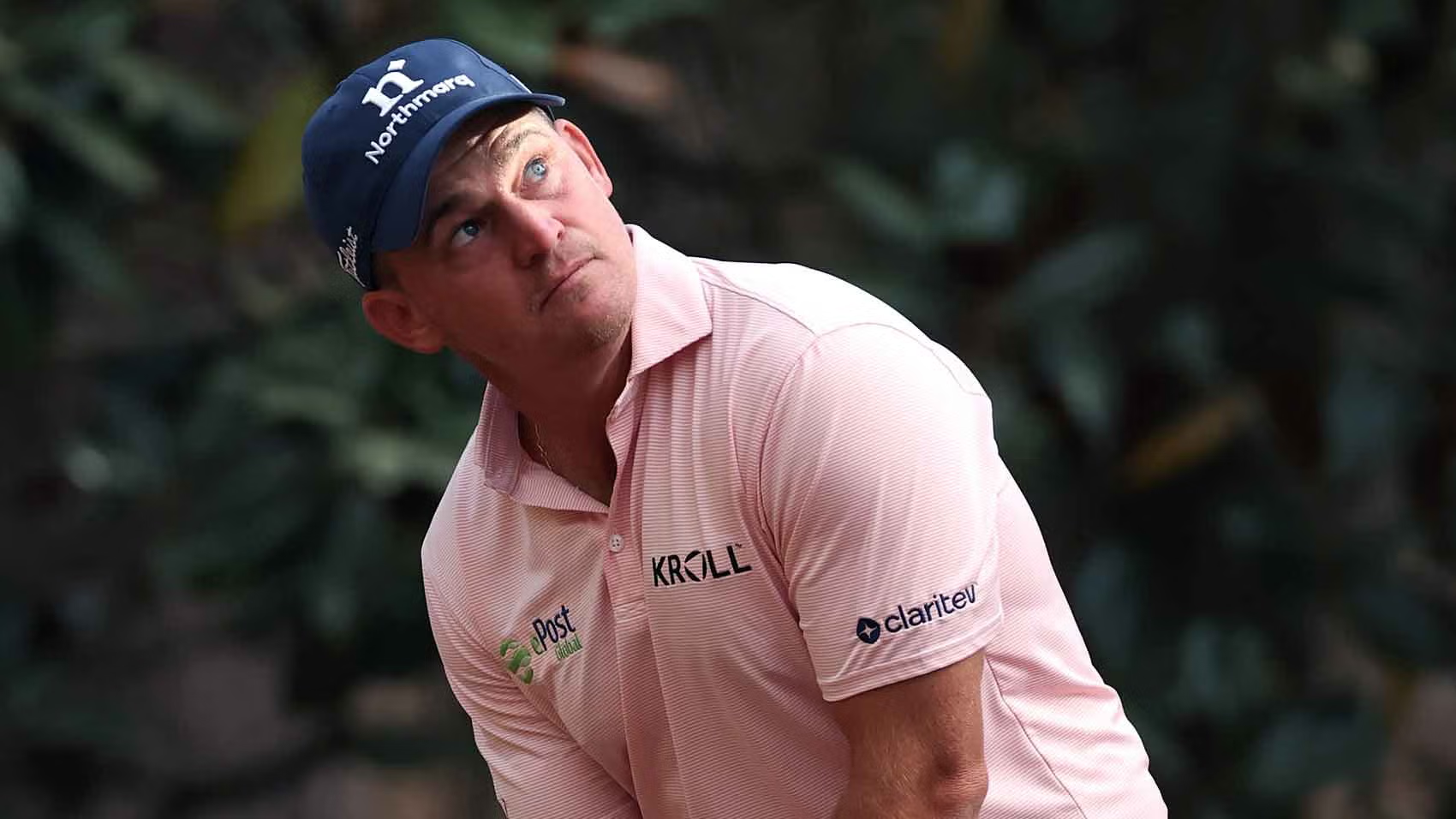
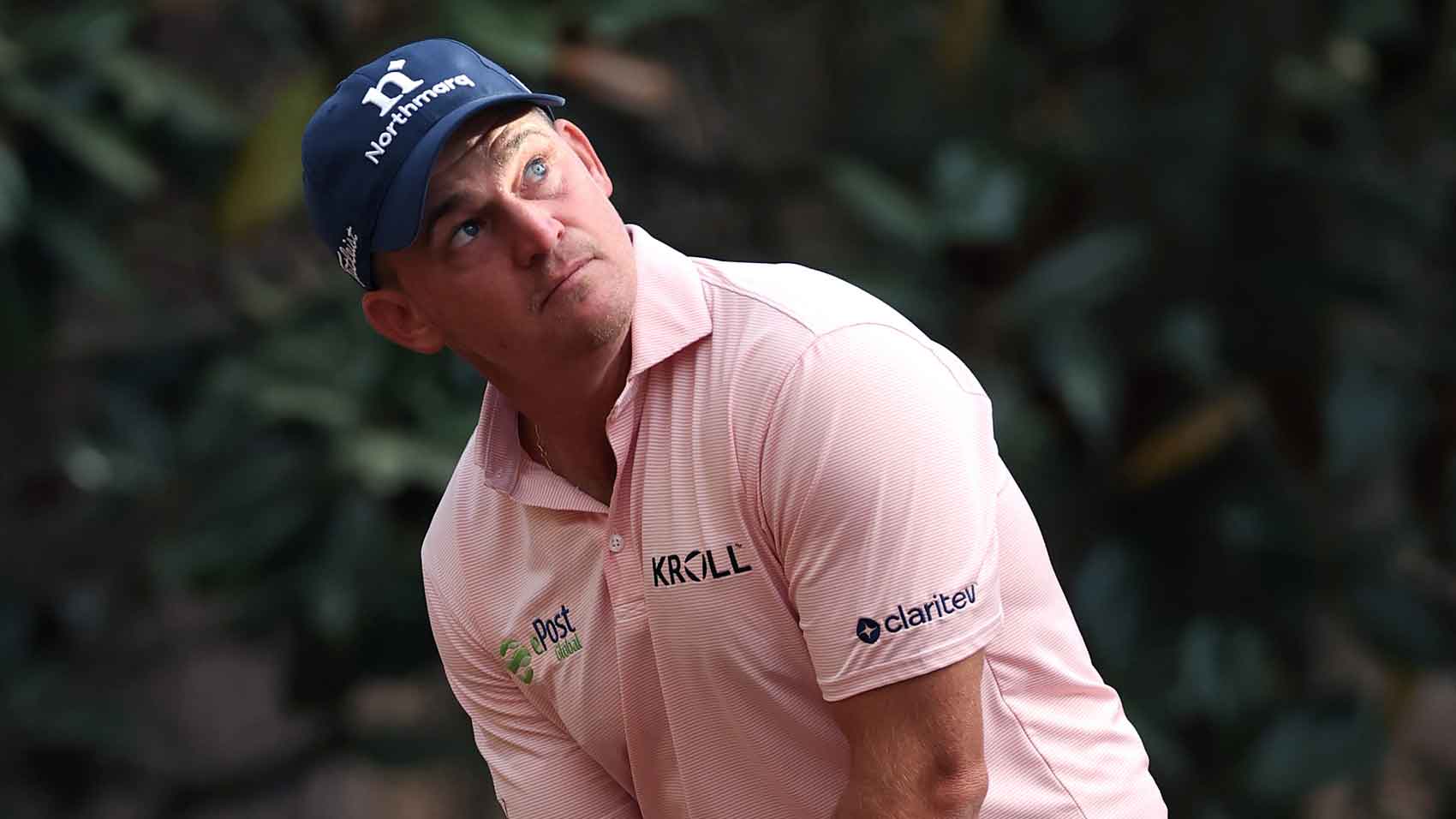
The article’s recent glimpse into Bud Cauley’s experience beautifully encapsulates this pressure, particularly on the back-nine stretch that has defined so many championships. The par-5 16th, usually a chance for a birdie to propel momentum, leads straight into the beast itself: the par-3 17th. This is not just a hole; it’s an icon. The 137-yard shot to an island green, surrounded by water and thousands of expectant eyes, is pure, unadulterated Dye. In most settings, as the article rightly points out, it would be “a nothing shot for the world’s most skilled golfers.” Yet, here, it looms large.
What makes the 17th so brilliant, and terrifying, is its deceptive simplicity. There are no outlandish bunkers or sprawling waste areas. It’s a green, a path, and a lot of water. The strategic genius lies in its psychological impact. Dye understood that the human element, the pressure of the moment, could transform a straightforward shot into a harrowing ordeal. The visible water, the roar of the crowd, and the stakes of a Players Championship all combine to make that “generous 4,000-square-foot target… feel more like 400 square feet.”
The delay Bud Cauley and his playing partners experienced highlighted another crucial design element at TPC Sawgrass: the vulnerability to nature’s caprice. Florida weather is notoriously fickle, and Dye’s design, with water in play on so many holes and exposed greens, amplifies the impact of changing conditions. Imagine the shift Cauley faced, pausing mid-round, with the most infamous hole in golf awaiting:
“The first thing I thought of was, is the wind going to switch? Because that happens a lot when a storm blows through.”
This thought process, even from a seasoned pro, speaks volumes about the course’s ability to live rent-free in a player’s head. The 17th isn’t just the next shot; it’s a psychological burden carried from the first tee. And for Cauley, that burden was compounded by a weather delay that dramatically altered the shot:
“From down off the left to pumping straight in,” Cauley said of the wind direction. “Probably close to 30 yards.”
A wedge transforming into an 8-iron. That’s the difference between a comfortable swing and a full-blooded commitment under pressure, where even a slight misjudgment can lead to catastrophe. Cauley’s ability to find land and salvage a par further illustrates the immense talent required to navigate Dye’s demanding design. The strategic brilliance of the Stadium Course is not just about penalizing poor shots, but about forcing players to confront their own weaknesses, both physical and mental.
The course is located at 110 Championship Way, Ponte Vedra Beach, Florida, and is part of the TPC (Tournament Players Club) network, owned by the PGA TOUR. While primarily a private club for members, the Stadium Course is generally accessible to the public, though it comes with a hefty green fee – a testament to its prestige and challenge. Prior booking is essential, often months in advance, especially during peak seasons. Before arriving, understand that this is not a casual knock-around; it’s an experience, a pilgrimage into one of golf’s most iconic layouts.
As a golf architecture enthusiast, I admire Dye’s philosophy, which often plays on illusion and intimidation. He famously stated, “The ‘eye’ is as important as the ‘lie’.” At TPC Sawgrass, this philosophy is on full display. The visual intimidation, the subtle contours of the greens, the strategic placement of hazards – all work in concert to create a golf course that, while perhaps not the most visually stunning in the traditional sense, is undoubtedly one of the most intellectually stimulating and emotionally draining.
The closing stretch, with the turbulent 17th and the demanding par-4 18th (another water-laden test), is arguably the most thrilling and nerve-wracking in golf. It’s a testament to incredible design that just two holes can dictate the fate of a championship. Bud Cauley’s successful navigation of these holes after the unexpected delay, finishing his round with two hard-earned pars, provided a small, but revealing, insight into the immense pressure and strategic thought required to conquer this Pete Dye masterpiece. As he put it:
“It was tough with the delay. But I was happy to make two pars coming in.”
And on the Stadium Course, sometimes, a par feels just like a birdie.
