


Tiger’s TGL Stumble Reveals Hard Truth About Comeback Timelines
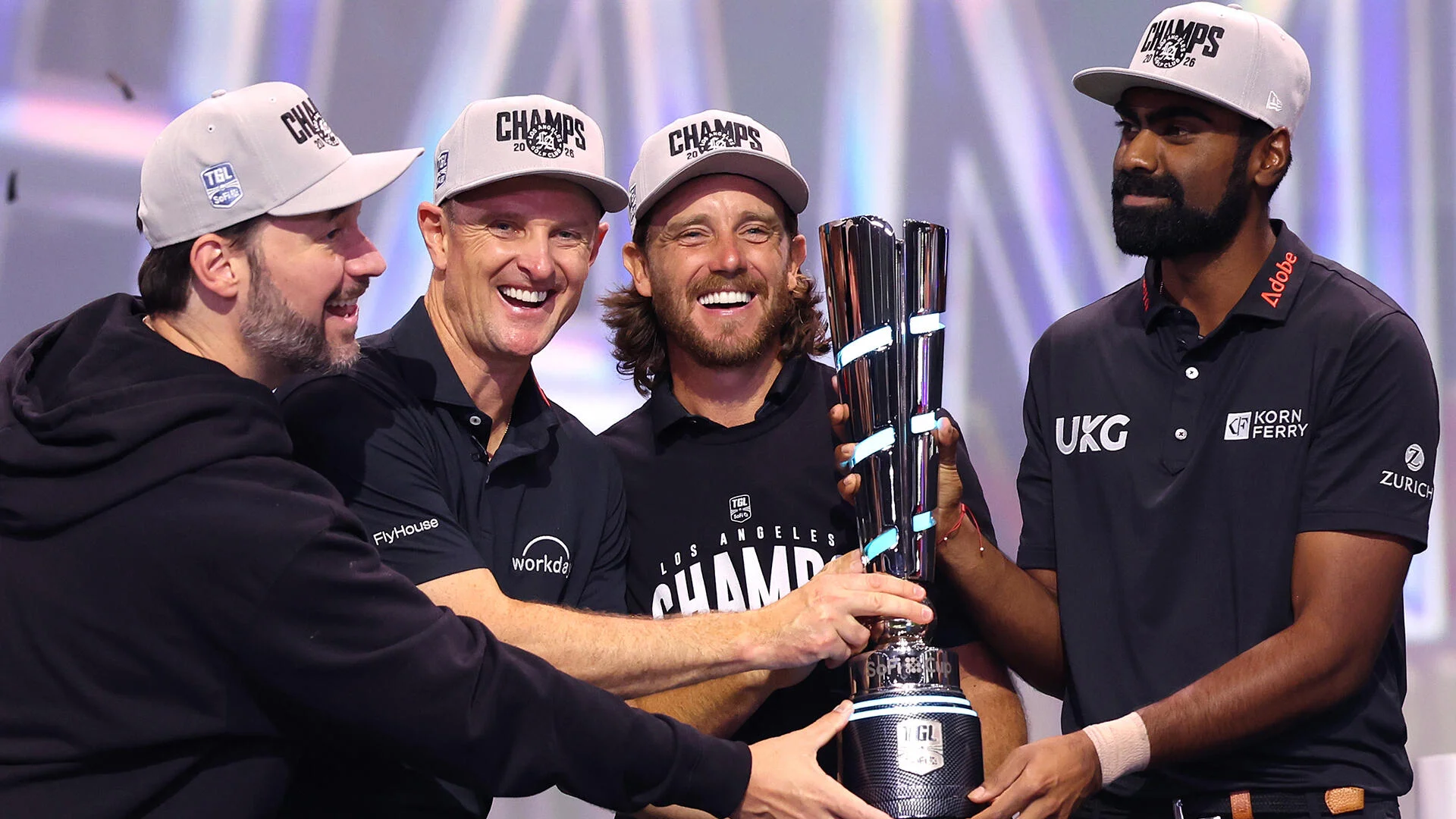
There’s a particular kind of quiet that falls over a golf broadcast when things aren’t going right for Tiger Woods. I’ve heard it 35 times covering the Masters alone—that almost respectful silence from commentators and fans alike, as if nobody wants to jinx what might come next. But there was nothing respectful about what happened Tuesday night at the SoFi Center when Los Angeles Golf Club dismantled Jupiter Links 9-2 in the TGL championship match.
What caught my eye wasn’t just the lopsided score. It was the moment Tiger himself identified the turning point:
"We got our ass kicked at the end. … We didn’t respond. I missed a short one at the beginning to give them momentum, and we never got it back."
That 3-foot-6-inch miss on hole No. 7 wasn’t just a missed putt in a team competition. It was a window into something larger about what we should realistically expect as Tiger attempts his comeback toward the 2026 Masters.
In my years caddying for Tom Lehman and watching the tour grind, I learned that competitive rust is real—brutally real. It’s not something you can simply practice away or visualize into submission. You have to feel it under tournament pressure, and you have to miss those short ones in front of millions of people before you remember how to make them. Tiger’s been out of competitive action for months. Tuesday was his season debut in TGL, and frankly, it showed.
When Momentum Becomes Avalanche
What struck me most about this match wasn’t Tiger’s individual performance—though that matters—but how quickly Los Angeles capitalized on Jupiter’s stumble. This is a lesson I’ve seen play out countless times on tour: in team formats, momentum doesn’t just swing. It avalanches.
Los Angeles stuck with the same lineup across both matches: Tommy Fleetwood, Justin Rose, and Sahith Theegala. That consistency matters more than casual fans realize. In my experience, having three players who understand each other’s tendencies and trust each other’s decision-making is worth approximately two shots over 18 holes. Justin Rose credited Fleetwood with keeping the team calm through an early two-point deficit:
"Rose credited Fleetwood for keeping the team calm during the early deficit, while letting them know they had done nothing wrong up to that point."
That’s championship-level maturity. You’re down early, nothing’s broken, and you’re resetting the narrative rather than spiraling.
By hole No. 8, Los Angeles had flipped from down 0-2 to up 4-2. Here’s the sequence that tells the whole story: Theegala’s drive set up Fleetwood for an eagle from 11 feet. Then on the triples finale at hole No. 9, after Fleetwood’s wayward drive forced them into a disadvantageous position, Rose responded with a 6-iron from the fairway bunker that gave Theegala the confidence to convert for a 6-2 lead heading into singles.
That’s not luck. That’s a team understanding how to weather adversity and strike back.
The Real Story Here
Now, let me be clear: I’m not writing Tiger off. I’ve covered enough golf to know that one TGL match in February means exactly what it means—information, nothing more. But it’s important information.
Tiger’s competing for the first time in months. He’s going to have some rust. The question isn’t whether he’ll shake it; the question is whether he’ll shake it in time for major championships. The 2026 Masters is still over a year away, which gives him runway. But it also means he needs competitive reps, and he needs them to go reasonably well so he maintains confidence and momentum heading into the spring.
Tuesday wasn’t a confidence-builder. Missing a 3-foot-6-inch putt that directly led to your team losing a championship match—even in an exhibition-style league—sticks with a player. I’ve seen it happen before.
What Los Angeles Did Right
Here’s what deserves credit: the LAGC lineup executed at the highest level when it mattered. They made four straight pars to start the match while down two points, which is unglamorous but critical golf. They didn’t panic. They stayed patient. And when opportunities arrived, they capitalized on them decisively.
Theegala, in particular, looked like a player who understands his role in a team format. He wasn’t trying to do too much. He was hitting fairways, taking advantage of the setup his teammates created, and converting when it was his turn to attack. That’s veteran-level golf from a player who should absolutely be in major championship conversations this year.
Fleetwood and Rose brought the consistency you’d expect from two former major champions. Rose’s 5-wood from 255 yards to just inside 5 feet on the clinching hole—that’s the kind of shot that wins championships. It’s not flashy. It’s just precise, and precision beats heroics in golf more often than not.
Looking Ahead
The TGL championship doesn’t matter in the grand scheme of professional golf. We all know this. But what happened Tuesday matters in one specific way: it reminded us that Tiger’s comeback, while obviously possible, isn’t guaranteed to be seamless. He’s got the game. He’s got the experience. He’s got the mental toughness.
What he needs is time and competitive reps and more mornings where he wakes up not remembering the short miss from the night before. That process started Tuesday, even if it didn’t go the way Jupiter Links hoped.
