


There’s a special kind of magic in a name, isn’t there? In golf, a truly evocative hole moniker doesn’t just label a plot of land; it encapsulates its very soul. It hints at the drama, the strategic choices, the potential for triumph or disaster that awaits. We all know the legendary stretches – Amen Corner, the Bear Trap – but sometimes, the real artistry is found in a single hole, perfectly christened, that imprints itself on your memory long after the round is over.
I’ve been lucky enough to tread the fairways of over 200 courses across the globe, and what always captivates me is how architects, sometimes intentionally, sometimes by happy accident of play, create these singular, unforgettable moments. It’s a testament to thoughtful routing, intelligent green complexes, and often, a bold design philosophy that pushes the boundaries of a golfer’s will. Let’s delve into a few of these masterfully named individual holes that truly live up to their billing, from the sun-drenched desert of Scottsdale to the windswept links of Scotland.
The Desert’s Deception: Troon North (Monument) – Hole 1, “Hidden Green”
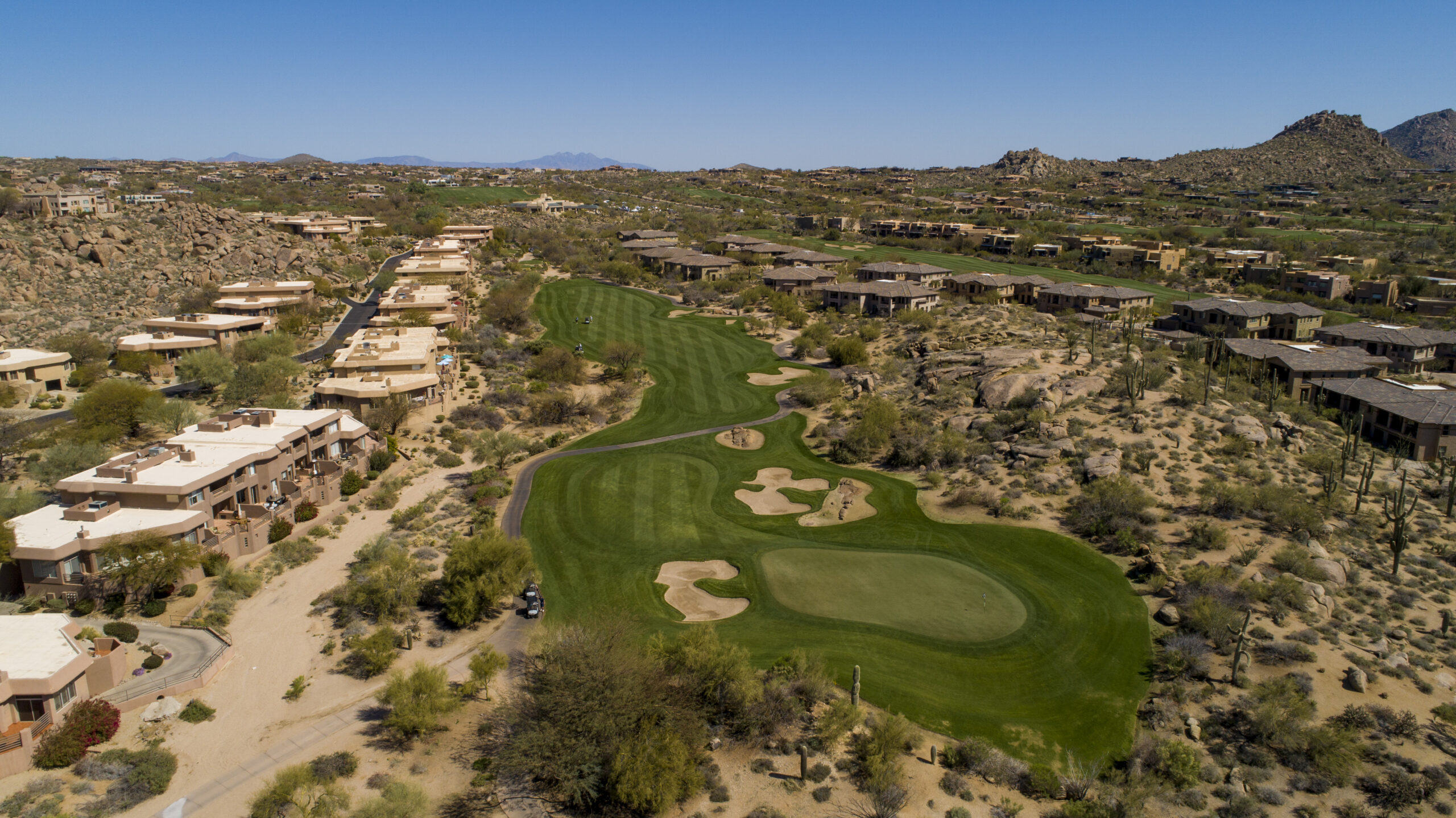
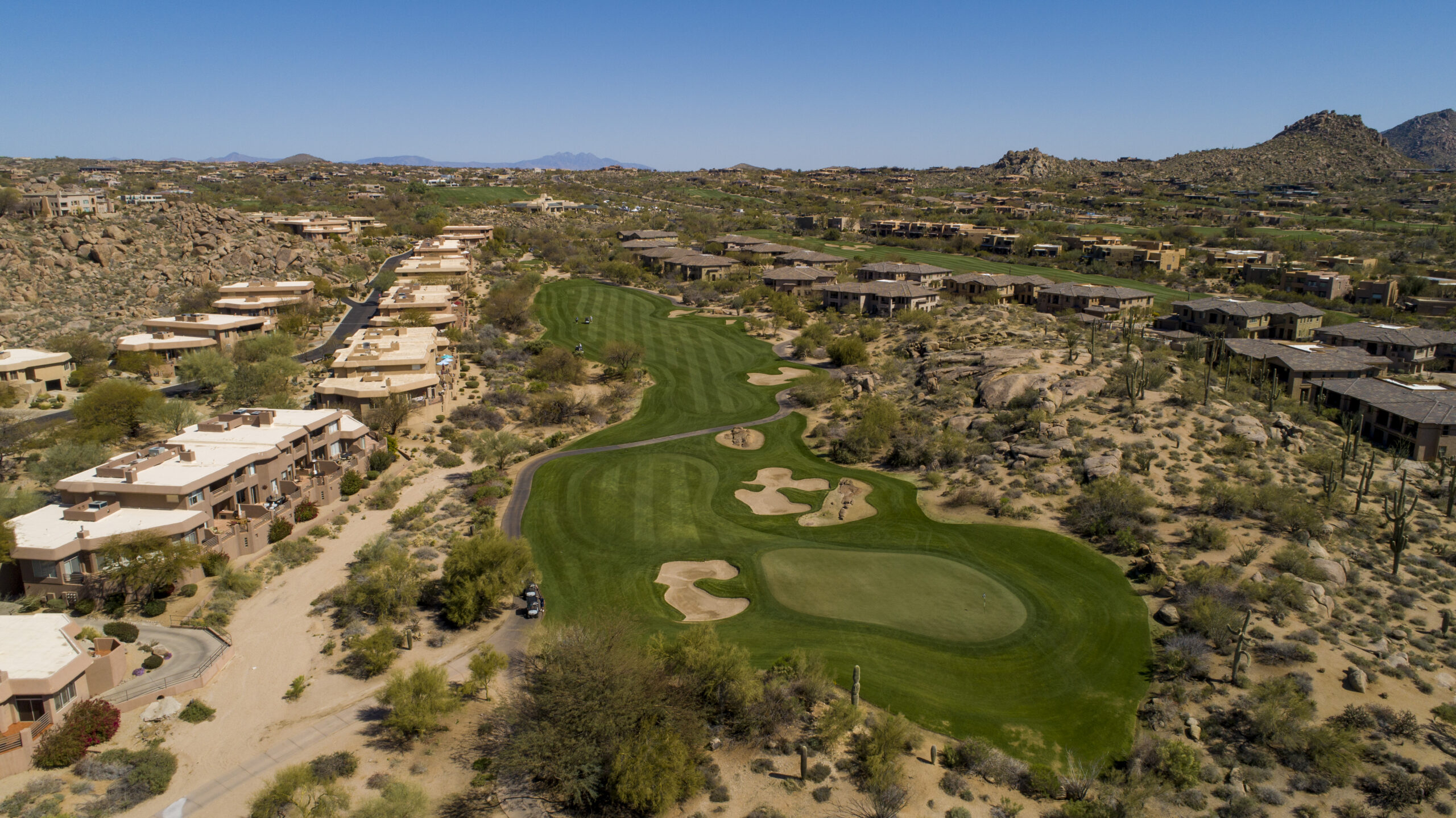
My first experience at Troon North, specifically the Monument course, instantly highlighted the genius of its name. Standing on the elevated first tee, the sweeping vista of the Sonoran Desert stretches before you, framed by saguaros and the rugged mountains. It’s majestic, almost serene – a stark contrast to the subtle trickery that lies ahead. The hole’s name, “Hidden Green,” isn’t just a quaint descriptor; it’s a strategic warning from the moment you reach your ball in the fairway.
The course was originally co-designed by Tom Weiskopf and Jay Morrish, and later updated by Weiskopf himself. They carved this track out of a truly dramatic piece of desert landscape, and the first hole sets the tone perfectly. While the drive offers a generous landing area, your approach shot quickly reveals the depth of the design. The green, subtly recessed, truly lives up to its name. You can only glimpse a sliver of the front right from the fairway, leading to a crucial information deficit for the uninitiated.
“Because the fairway is slightly recessed, players will only be able to see the front right section of the putting surface, and that sliver of the dance floor doesn’t even begin to tell the story of the green complex’s shape or its contours.”
This is classic Weiskopf – offering apparent width but demanding precise placement. The green itself is bisected by a significant slope, a subtle but impactful internal contour that makes a ‘safe’ shot to the center a potential disaster if the pin is tucked left. I remember thinking how brilliantly simple, yet effective, this design choice is. It immediately forces you to think, to question, and to trust your yardages and visual cues, or lack thereof. Troon North really sets the bar high for desert golf, and “Hidden Green” is your first lesson in its intelligent challenges.
The Lowcountry’s Lure: Myrtle Beach National (King’s North) – Hole 6, “The Gambler”
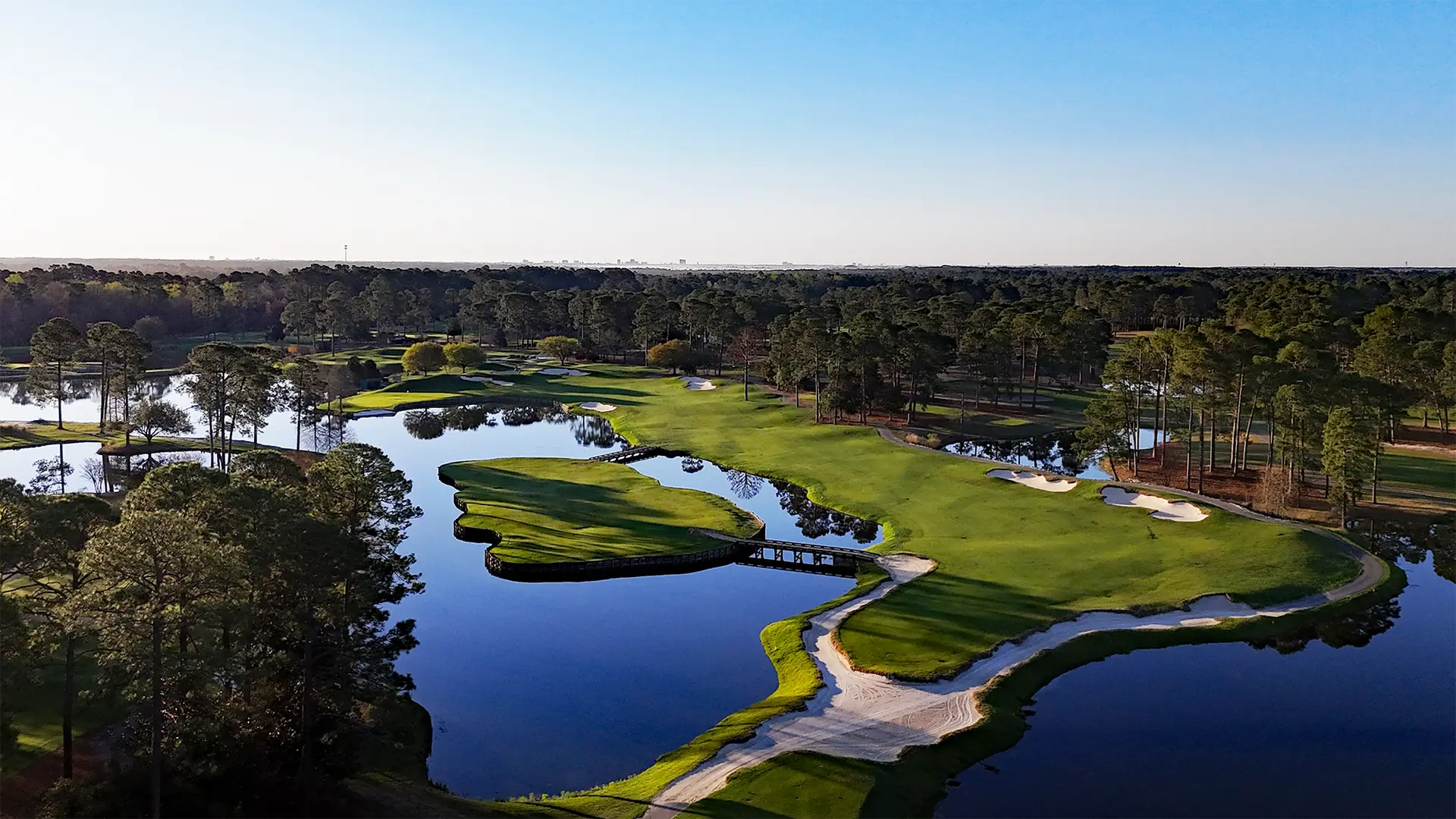
Head south to the coastal charm of Myrtle Beach, and you’ll find a course that, for many, defines the “golf vacation.” King’s North at Myrtle Beach National, designed by the legendary Arnold Palmer, offers a blend of challenge and playability. But it’s the 6th hole, affectionately known as “The Gambler,” that truly captures the spirit of aggressive, risk-reward golf Palmer himself championed. This isn’t just about a long par-5; it’s about a choice that lays bare your golfing courage.
From the tee, the primary fairway stretches out invitingly. However, what makes this hole special, and gives it its celebrated moniker, is the secondary, island fairway far to the left. It’s an audacious architectural statement, a daring shortcut that whispers temptations to any golfer looking for an eagle opportunity. I’ve stood on this tee countless times, club in hand, and felt that pull – the instant calculation of risk versus reward. Do you play it safe, or do you channel your inner Arnie and go for it?
“Those who live dangerous and take aim at that island fairway might have only 150 or 160 yards into the green, but such a tee shot comes with plenty of risk—hence, this hole’s name: The Gambler.”
The beauty of “The Gambler” lies in its psychological impact. It’s a par-5 where average amateurs realistically have a shot at reaching the green in two, provided they execute a perfect, high-stakes tee shot. The island fairway shrinks the approach to a manageable mid-iron, transforming a potentially long, three-shot hole into a genuine eagle chance. But miss that tiny landing strip, and you’re staring at an almost certain penalty. It’s a brilliant piece of strategic design, posing a question every golfer must answer: are you a calculated player, or are you a gambler?
The Brutality of the Links: Royal Portrush (Dunluce) – Hole 16, “Calamity Corner”
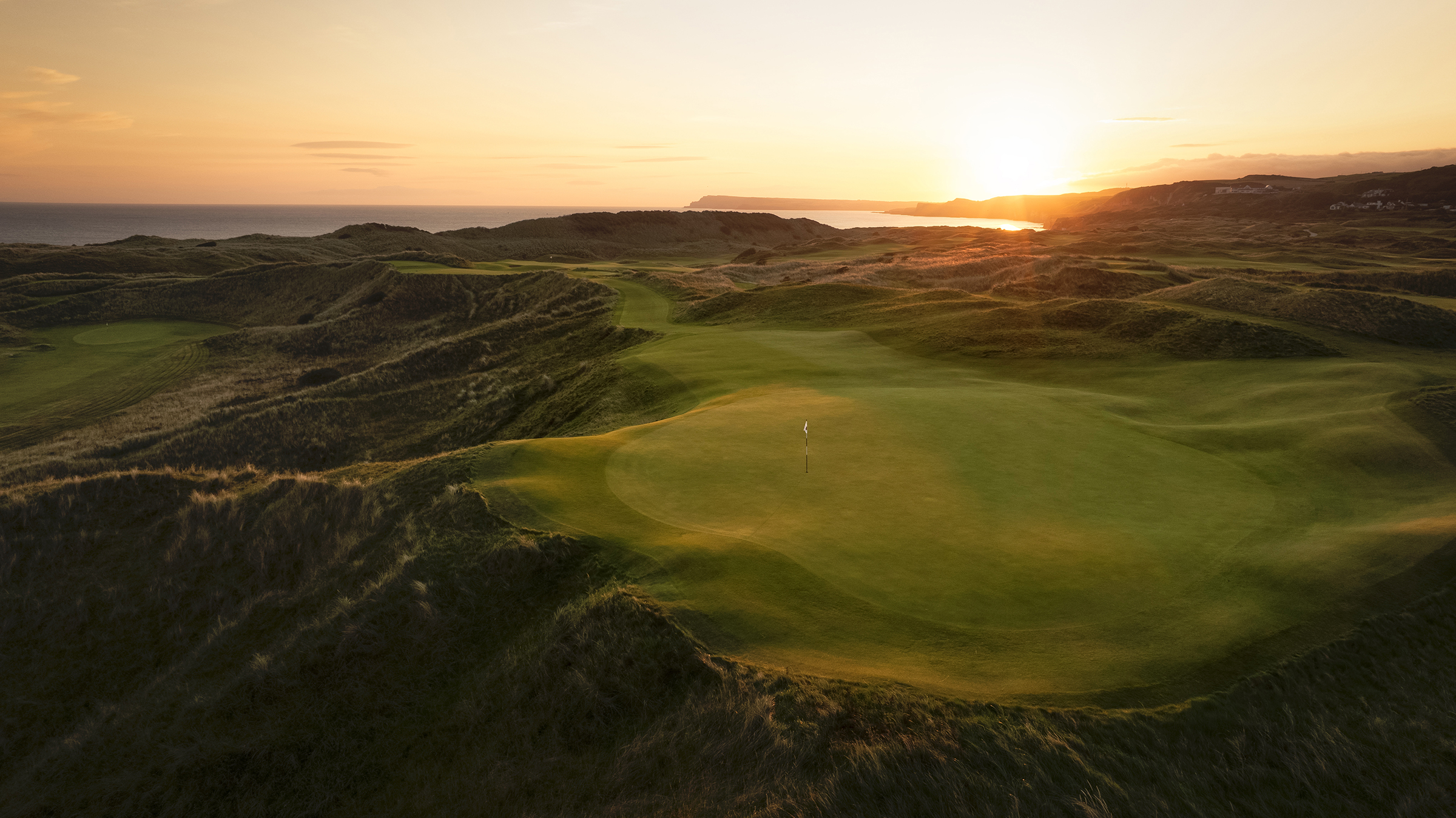
My journeys have taken me to many of the world’s great links courses, and few possess the raw, untamed beauty and challenging design of Royal Portrush’s Dunluce course. It’s a cathedral of golf on the Antrim coastline, a place where the wind is your constant companion and the landscape dictates the play. Here, the 16th hole, “Calamity Corner,” isn’t merely a hole; it’s an ordeal, a testament to the brutal honesty of links golf.
This par-3, extended to a staggering 236 yards from the back tees, is truly one of the most intimidating one-shot holes I’ve ever faced that doesn’t feature a visible water hazard. Its drama comes from the deep, unforgiving ravine that curls around the right side and front of the green, dropping precipitously over 50 feet. It’s a gaping maw, ready to swallow any ball that doesn’t meet its target with conviction.
“Miss short and right, and there’s a good chance you’ll be lying at least three by the time your ball comes to rest on the putting surface.”
What I find so powerful about “Calamity Corner” is its sheer scale and the psychological pressure it exerts. There’s no easy bailout; a miss to the left often means dealing with heavy rough and an awkward recovery. It’s a hole that demands complete commitment, a full-blooded strike that flies the chasm and finds the putting surface. Every Open Championship held at Royal Portrush has seen “Calamity Corner” claim its share of victims, and it will continue to do so. It’s a magnificent, terrifying piece of golf architecture, a perfect example of a name that is both warning and prophecy.
These holes, each with its unique story and challenge, remind us that golf architecture is an art form. It’s about more than just moving dirt; it’s about crafting experiences, challenging the mind, and leaving an indelible mark on the golfer’s memory. A perfectly named hole is often the greatest proof of that success.
