


As a golf course architecture enthusiast, I often find myself on greens and fairways pondering not just the shot at hand, but the meticulous thought, the artistic vision, and sometimes, the sheer audacity of the minds that shaped the land beneath my feet. Having traversed over 200 courses worldwide, from the windswept links of Scotland to the sun-drenched layouts of the American West, I’ve developed a keen eye for what truly makes a course sing. It’s rarely about bomb-and-gouge, though a well-struck drive certainly has its place. It’s about strategy, subtlety, and the timeless dance between golfer and terrain.
This pursuit of understanding the ‘why’ behind a great golf hole naturally extends to the equipment we wield. Just as an architect crafts a course to challenge and delight, club manufacturers are perpetually striving to refine the instruments that translate our intentions into reality. While my focus generally lies on the grand canvases of golf courses, I can appreciate the ingenuity that goes into a well-designed club, especially those crucial long-game companions. After all, even the most strategically brilliant par 5 demands a precise second shot, and that’s where the hybrid and fairway wood carve their niche.
I was recently engrossed in an article, not about a new MacKenzie gem, but about the latest crop of hybrids and fairway woods for the 2026 season. It’s a fascinating insight into the engineering prowess that underpins our game. The author noted, and I concur, that:
“no matter how far you can bomb the new driver you got for the 2026 season, there will still be some par fours and fives where your second shot will be a long one.”
This sentiment perfectly encapsulates the enduring relevance of these clubs. They are the workhorses of the long game, designed to navigate the strategic challenges set by architects – carrying bunkers, finding tight landing areas, or reaching firm greens in regulation. The intricate details of their design, though different from a great green contour, share a common goal: optimizing performance and enhancing the player’s experience.
Consider the humble hybrid. Once a niche club, it has blossomed into an indispensable tool in many a golfer’s bag. The article highlights the importance of head shape, asking a fundamental question:
“Do you play your hybrids more like an iron, with a descending blow that generally takes a divot? Or are you more of a “picker” or “sweeper”?”
This isn’t merely about aesthetics; it speaks to the very interaction between club, turf, and golfer that defines success on the course. A compact head, like the Callaway Quantum Max, offers an iron-like feel, appealing to those who prefer to attack the ball. Its AI-designed variable-thickness face and adjustable weighting mirror the attention to detail seen in a well-bunkered green, each element serving a precise purpose.
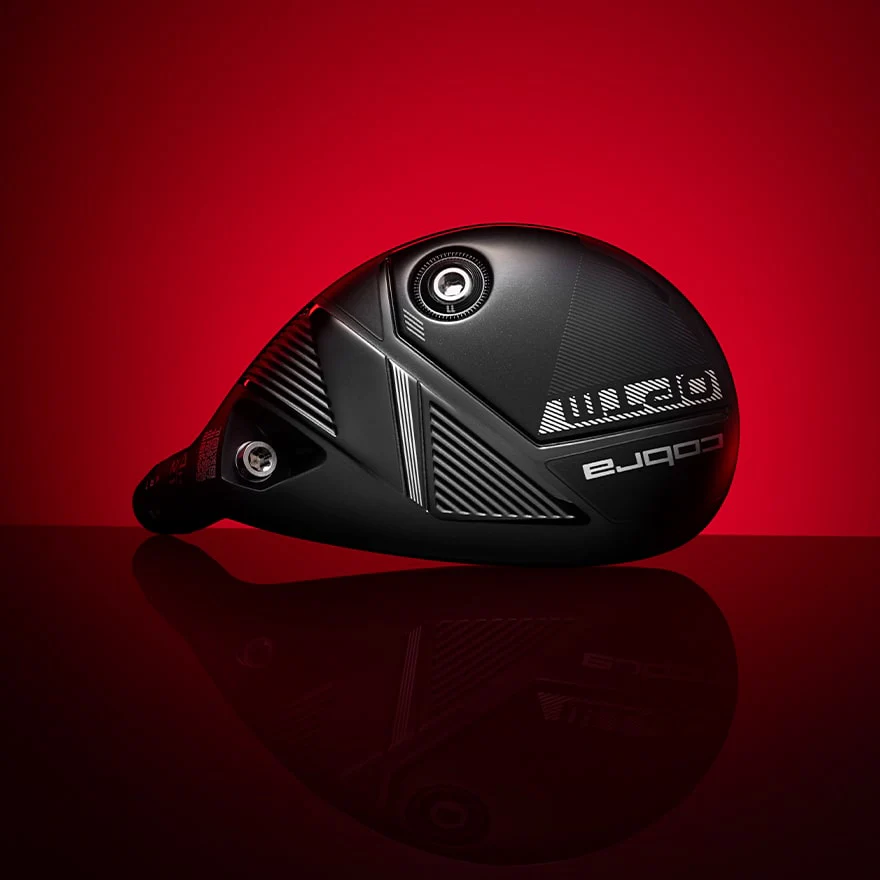
Then there’s the Cobra OPTM, with its high-MOI head and, remarkably, 33 independent loft and lie settings. This level of customization resonates with the architect’s desire for versatility and adaptation. Just as a course should reveal different strategies depending on conditions, these clubs allow a golfer to fine-tune their trajectory and dispersion, a crucial advantage when facing a tight pin guarded by hazards. Its slightly larger profile, catering to players who favor that head shape, hints at the myriad ways golfers approach the game.

My architect’s brain particularly enjoyed the mention of PING’s G440 hybrids, with their varied biases (fade for the 2H, draw for the 6H and 7H). This isn’t just about forgiveness; it’s about giving the golfer a tool specifically designed to tackle certain course situations. Think of a tight dogleg right, or a pin tucked behind a bunker on the left. Having a club that inherently aids in shaping the shot is akin to an architect strategically placing bunkers to encourage a certain line of play. These clubs become part of the course’s strategic puzzle, helping players navigate the layout with greater confidence.

The innovation isn’t limited to hybrids. Fairway woods, a staple for threading shots between trees or reaching par 5s in two, are also seeing significant advancements. The discussion points out that these clubs are now “more forgiving than ever,” an echoing testament to the relentless pursuit of making the game more enjoyable and accessible, much like architects strive to create courses that can be enjoyed by a wide range of handicappers without sacrificing strategic integrity.
The Srixon ZXi fairway woods, with their “classic-looking” profile, appeal to the traditionalist in me, yet they pack a punch with their i-FLEX face and Rebound Frame technology. This blend of classic aesthetics and cutting-edge performance reminds me of a renovated course where the architect honors the original intent while subtly updating elements to meet modern demands. It’s a delicate balance, and when done right, it truly sings.

The TaylorMade Qi4D Tour Fairway, with its Trajectory Adjustment System (TAS) and 4-degree adjustable loft sleeve, really speaks to the concept of tailoring the experience. Just as a brilliant architect might offer multiple tee boxes to alter the strategic challenge for different skill levels, these clubs offer golfers an unprecedented level of control over their ball flight. It’s about empowering the player to adapt their tools to the demands of the course, or even to the prevailing wind conditions. This, to me, is where the lines between equipment design and course design blur, both aiming for an optimized and captivating golf experience.
While my true passion lies in the sprawling landscapes of championship courses, I find immense value in appreciating the engineering that goes into the tools we use. These new hybrids and fairway woods, with their focus on adjustability, forgiveness, and optimized ball flight, are more than just pieces of metal; they are extensions of the golfer’s intent, enabling us to better engage with and conquer the strategic challenges laid out before us by the great course architects.
