


As a golf course architecture enthusiast, I often find myself looking beyond the manicured greens and fairways, searching for the soul of a course—the philosophy etched into its very earth by the architect’s hand. I’ve trekked across continents, putted on greens crafted by the likes of MacKenzie and Dye, all in pursuit of those special layouts that truly tell a story. While my passions typically lie in the topography and strategic brilliance of a layout, every now and then, a piece of equipment captures my attention, not for its architectural prowess (though there’s certainly an art to club design), but for its promise to unlock a course’s true potential for the golfer wielding it.
This season, it seems the wizards in the workshops of golf’s major manufacturers have been channeling their inner Alister MacKenzie, meticulously crafting clubs designed to sculpt shots with precision and power. Just as a brilliant architect understands how to use the land, these engineers are learning how to use materials and physics to shape a different kind of masterpiece—one that fits snugly in our bags and influences how we navigate the course.
For those of us who appreciate the subtle nuances of design, whether it’s the strategic bunkering on a Tom Doak par-4 or the perplexing angles of a Pete Dye green, we also understand that the tools we use play a pivotal role. There are always those intrepid holes on any course that demand something extra from your longer clubs. A sweeping downhill par-5 that dares you to go for it in two, or a par-4 that doglegs sharply, leaving a daunting carry over water for your approach. These are the moments when a trusty hybrid or fairway wood isn’t just about distance; it’s about control, launch, and the confidence to execute a shot the architect envisioned.
I’ve been particularly intrigued by the advancements in hybrids and fairway woods, the clubs that bridge the gap between our drivers and irons. They’re the unsung heroes of the long game, often determining whether we’re scrambling for par or setting up a birdie opportunity. The sheer ingenuity being poured into these clubs today is astounding. It mirrors, in a way, the thoughtful planning that goes into a truly great course design—every element serving a purpose, contributing to the overall experience.
“No matter how far you can bomb the new driver you got for the 2026 season, there will still be some par fours and fives where your second shot will be a long one. Fortunately, club manufacturers have been putting as much effort and engineering skill into the development of new hybrids and fairway woods as they have into that of their big sticks.”
This sentiment resonates deeply with me. It’s not just about raw power off the tee; it’s about navigating the subsequent challenges with finesse. And that’s where the new crop of hybrids and fairway woods truly shine. Take, for instance, the Callaway Quantum Max hybrid. Its more compact head, designed for those who play hybrids with a descending blow, speaks to the precision needed for those tight lies or when trying to shape a shot around a strategically placed hazard. It’s a club that seems to understand golf as an art, not just a game of brute force.

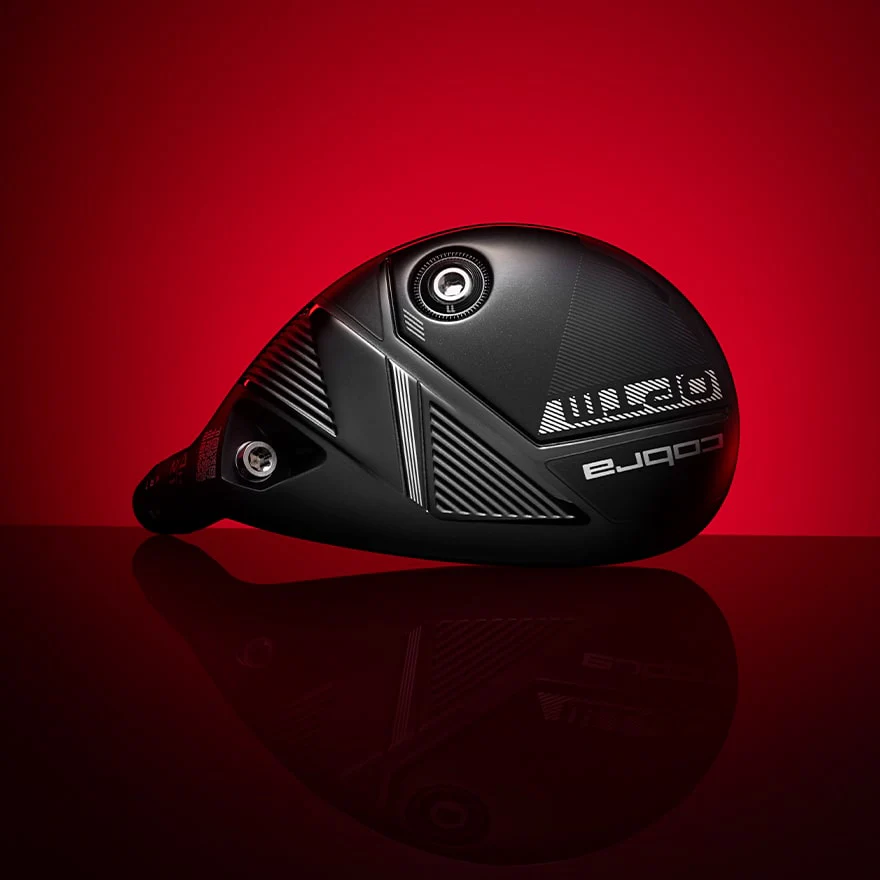
Then there’s the Cobra OPTM. Its focus on high MOI and a deep, low center of gravity speaks to the desire for stability and a higher launch – crucial for carrying hazards on those longer approaches. Imagine standing on the 16th at Pebble Beach, wind whipping, looking at that iconic green. You need a club that inspires confidence, that gives you the best chance of a soft landing. The meticulous design, with its 33 independent loft and lie settings, allows for such precise customization, it’s akin to an architect tailoring a green contour to a player’s preferred putting line.

The PING G440 hybrids, with their varied biases across the set (fade for the 2H, draw for the 6H and 7H), demonstrate an understanding of how golfers need to manipulate the ball to suit the demands of the course. It’s a strategic offering, allowing a golfer to select the right tool based on the hole’s particular bend or the prevailing wind. This kind of bespoke fitting reminds me of how architects design holes to encourage certain shots—a fade around a dogleg right, for example.
“Today’s fairway woods feature more customization through adjustability and loft choices, lower centers of gravity coupled with higher MOI, and enhanced face designs that produce higher ball speeds from more sections of the clubface. They hit it farther and are more forgiving than ever.”
This excerpt from the article perfectly encapsulates the current direction of club design. It’s about leveraging technology to overcome the inherent challenges of the game, much like how golf architects have always sought to create layouts that are both challenging and fair. The Mizuno JPX ONE fairway wood, with its re-engineered CORTECH Chamber, epitomizes this. It’s not just about a hot face; it’s about maintaining that speed and feel across the entire hitting area, ensuring that even a slightly off-center strike still yields a powerful, playable shot. This forgiveness is crucial, especially on those do-or-die par-5 second shots where accuracy can be as important as distance.

The Architecture of the Long Game
I often think of golf as a conversation between the player and the course, orchestrated by the architect. But within that dialogue, our clubs act as our interpreters. The advancements in these hybrids and fairway woods are making that conversation more fluent, allowing us to respond to the course’s challenges with more confidence and precision. The adjustable hosels, the movable weights, the varied face designs – these are not just marketing buzzwords. They are deliberate design choices, empowering golfers to dial in their equipment to suit their swing characteristics and, more importantly, the unique demands of each hole.

Consider the PING G440 SFT fairway wood. Its “Straight Flight Technology” and draw-biased CG directly addresses one of golf’s most common flaws – the slice. For many golfers, this club could be the key to opening up entire courses, transforming daunting tree-lined fairways into inviting avenues. It’s an architectural assist, if you will, helping players navigate the course as the architect intended, rather than constantly battling their own swing imperfections.
“If the idea of getting more accuracy and distance from these longer clubs in the season to come is an appealing one, they’re all worth checking into to find the model that’ll help you score better on a course’s longer holes.”
This is the ultimate promise. While I revel in understanding the grand design of a golf course, I also recognize that the joy of playing lies in executing shots well. These new clubs, with their meticulous engineering for increased MOI, optimized launch, and maximized distance and feel, are not just about gadgets. They are about enhancing the golf experience on a fundamental level. They’re designed to help us play the course more effectively, to appreciate the strategic elements without being constantly derailed by equipment limitations.
So, as you plan your next golf adventure, perhaps to a classic Cuscowilla layout by Ben Crenshaw and Bill Coore, or a bold Pete Dye creation like the Stadium Course at TPC Sawgrass, remember that the conversations you have with the course aren’t just about your swing. They’re also about the tools you choose to bring along. These new hybrids and fairway woods, in their own technologically advanced way, are helping to write a more satisfying narrative for every golfer who steps onto the hallowed grounds.
