


Morikawa’s Breakthrough Signals a Tour in Healthy Flux
Look, I’ve been covering professional golf since before the FedEx Cup existed, and I can tell you with absolute certainty: what we’re witnessing on the PGA Tour right now is exactly what the sport needed.
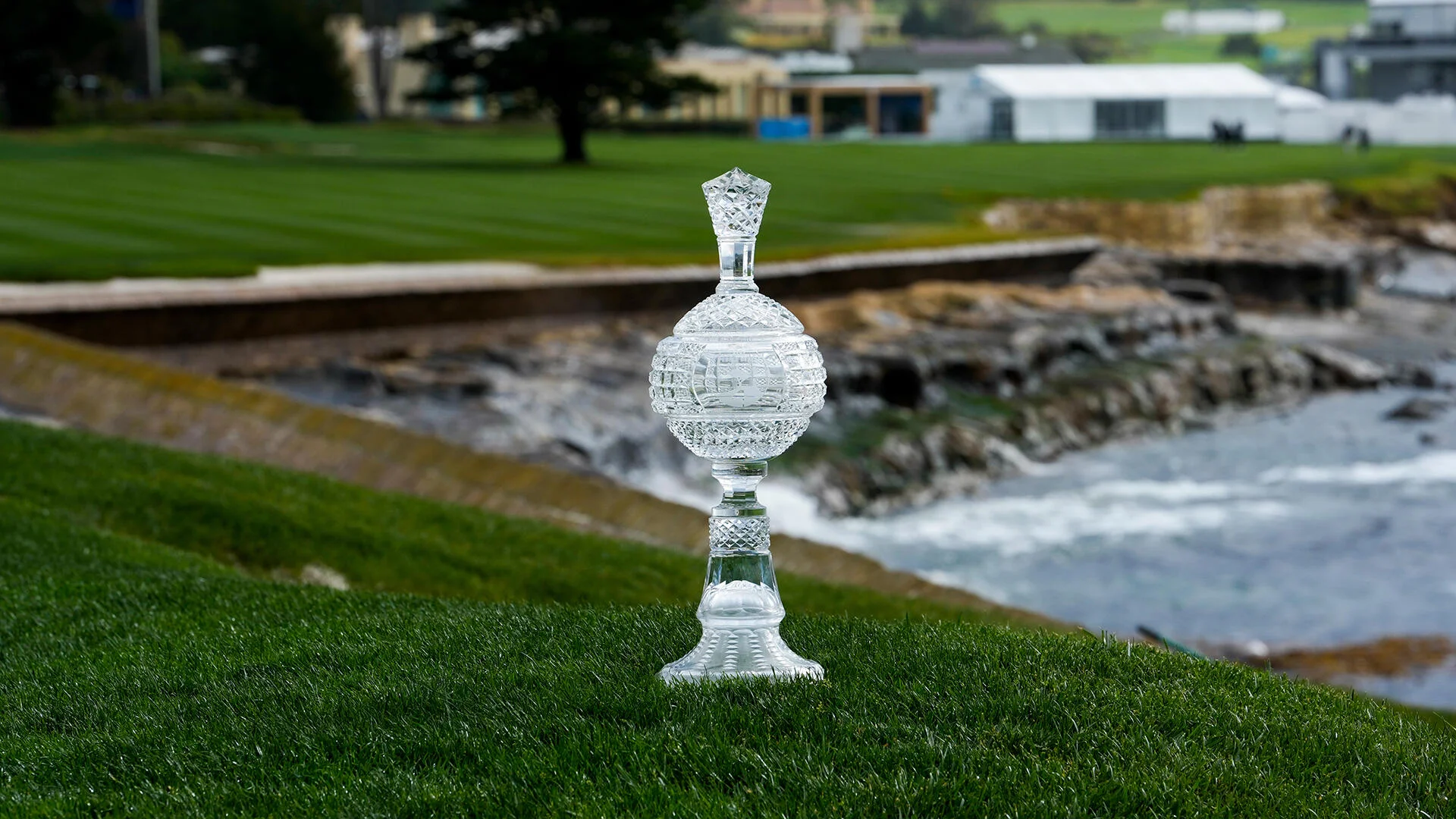
Collin Morikawa’s victory at Pebble Beach this week—his first signature event win, emerging at 22-under and one shot clear of the field—represents something far more significant than another trophy heading into a player’s cabinet. It’s a referendum on competitive balance, and frankly, it’s a refreshing one.
The Parity We’ve Been Waiting For
Let me back up for context. In 2024, we watched Scottie Scheffler claim half of the PGA Tour’s signature events. Half. That’s not a competitive tour—that’s a coronation tour. Don’t get me wrong; I have enormous respect for Scheffler’s talent. I’ve watched greatness up close, having caddied for Tom Lehman back in the day, and I know what dominant play looks like. But dominance that approaches monopoly eventually becomes bad television and worse for the health of professional golf.
Then came 2025, and suddenly the script flipped entirely.
“All eight were won by different players in 2025. Parity was the name of the game as winner’s checks worth $3.6 million and $4 million for the player invitationals were doled out to a variety of names, including not only Scheffler but Rory McIlroy and Justin Thomas, among others.”
That’s the kind of sentence that makes a Tour correspondent smile into his morning coffee. Rory winning early in the year, Scheffler getting his moments, Justin Thomas still competitive—this is a tour with legitimate depth. And now we’re seeing it carry into 2026, with Morikawa breaking through after a drought since 2023.
What Morikawa’s Win Really Means
In three and a half decades around this game, I’ve learned that breakthrough victories at signature events tell you something important about a player’s trajectory. Signature events matter differently than regular Tour stops. The purse structure alone signals the difference—we’re talking about $20 million total purses with the winner taking home $3.6 million. These aren’t consolation prizes.
What strikes me about Morikawa’s performance is the precision of it. One shot clear at 22-under at Pebble Beach? That’s not luck. That’s a player who has worked through something mentally and is now executing at the moment it counts. Min Woo Lee and Sepp Straka sharing second place tells us this wasn’t a field that rolled over either. These are quality players in quality form.
The Real Story in the Payouts
Here’s something worth dwelling on, and this is where my years around the tour matter: look at the prize money distribution.
2026 AT&T Pebble Beach Pro-Am Prize Structure:
1st: $3,600,000 — Collin Morikawa
2nd: $2,160,000 — Min Woo Lee, Sepp Straka
3rd: $1,360,000
4th: $960,000 — Scottie Scheffler, Tommy Fleetwood
10th: $535,000
20th: $252,000
The purse architecture matters enormously for tour economics. Every player inside the top 10 clears half a million dollars. Every player inside the top 20 earns north of $250,000. This is genuinely life-changing money distributed across a broader base of the tour.
I spent decades as a caddie and correspondent watching prize money, and I can tell you: when you spread the wealth like this, you get better overall performances. Players compete harder because they know there’s meaningful money available beyond just winning. That breeds the kind of competitive intensity that creates compelling golf.
Rory’s Humble Return
One detail that caught my attention: “McIlroy entered as the reigning champion after kicking off a memorable spring last year, not only winning at Pebble Beach but adding The Players Championship and his first Masters green jacket to three early season wins. He was playing his first PGA Tour event of 2026.”
And he finished tied for 14th.
In another era, this might have been framed as a disappointment. But having covered 15 Masters and countless early-season tournaments, I recognize this for what it actually is: a normal T14 finish for a player in transition. Rory’s playing his first event of the year. That’s hardly a referendum on his form. The guy won a Masters last spring. He’s fine.
What I found more interesting is Tommy Fleetwood finishing T4 after winning the FedEx Cup a year prior. Fleetwood is a legitimately world-class player who doesn’t always get the recognition he deserves in American media. A top-4 finish at a signature event for a guy of his caliber? That’s exactly what you’d expect. These finishes validate the depth of field we’re seeing.
The Bigger Picture
In my experience, the health of professional golf isn’t measured by how dominant the best player is. It’s measured by how many legitimately excellent players are competing on the same stage and how uncertain the outcome feels.
We’re in a period right now where that uncertainty exists in spades. Scheffler finished T4 this week alongside Fleetwood. That tells you he’s still plenty good but not untouchable. Morikawa gets his signature moment. McIlroy’s still adjusting to his season. Lee and Straka are pushing elite talent into second place.
This is what a competitive tour looks like. This is what makes people want to tune in on Sunday afternoon.
Morikawa’s breakthrough isn’t just good for Collin. It’s good for all of us who love watching golf at its highest level.
