


There are golf courses, and then there are legends. Pebble Beach Golf Links, carved into the dramatic cliffs of California’s Monterey Peninsula, falls squarely into the latter. As a golf architecture enthusiast who has been fortunate enough to walk over 200 courses worldwide, I can tell you that few places stir the soul quite like Pebble. It’s a testament to design genius, a landscape that defies imagination, and a pilgrimage for anyone who cherishes the game.
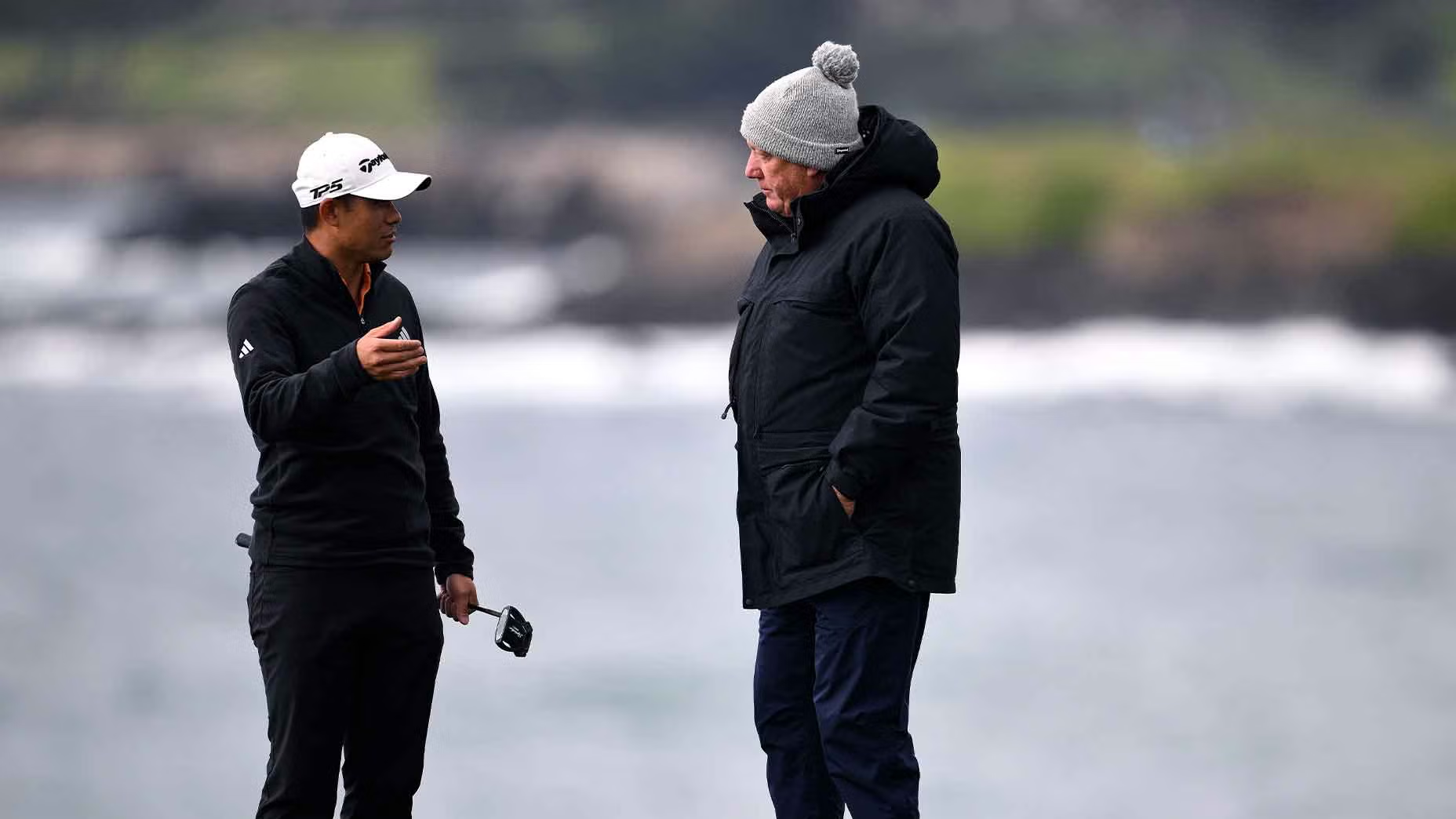
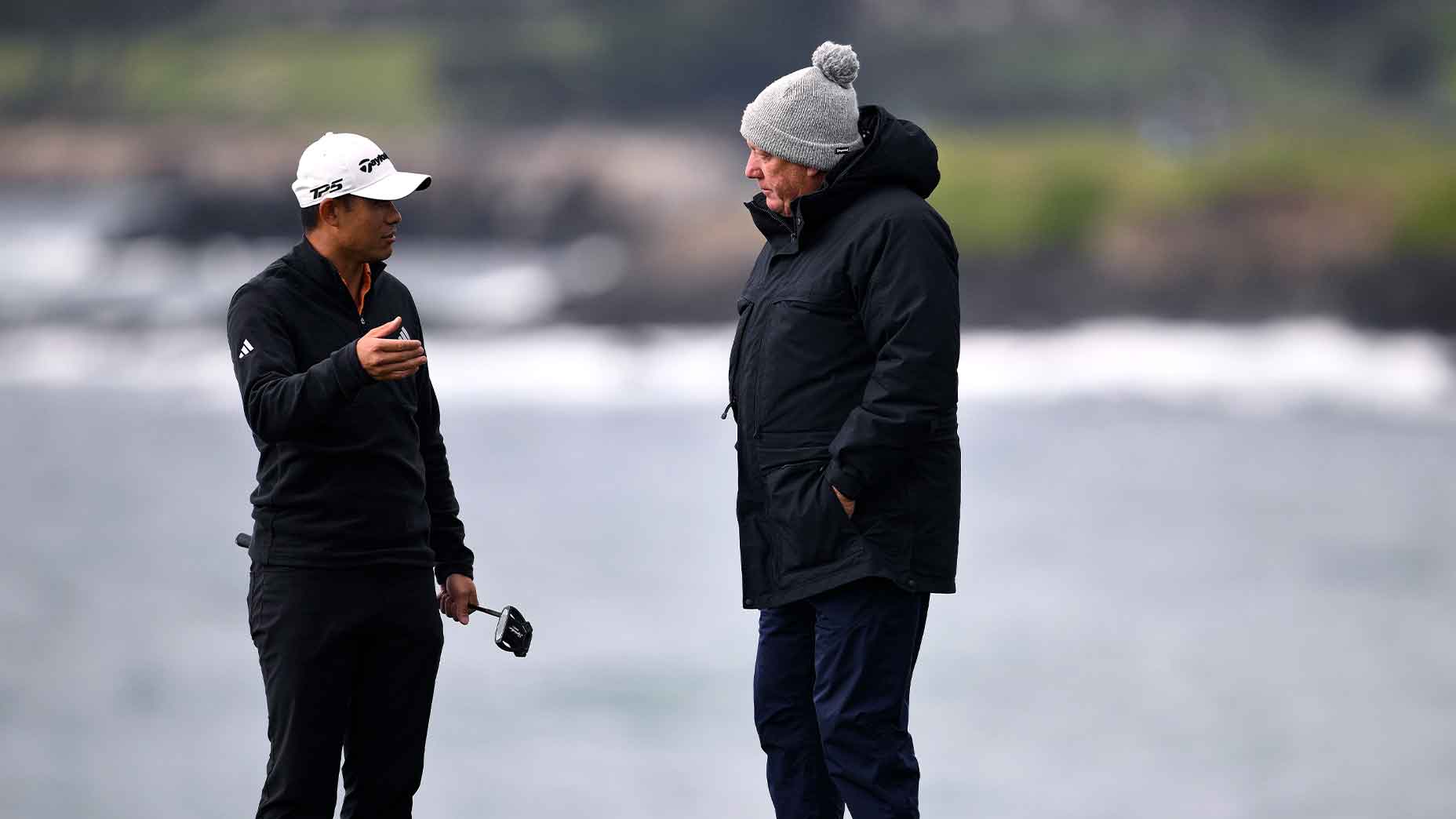
My recent visit coincided with Collin Morikawa’s dramatic victory at the AT&T Pebble Beach Pro-Am, offering a front-row seat to the course’s innate ability to test the finest players and deliver unforgettable drama. The final hole, the par-5 18th, became the stage for Morikawa’s long-awaited redemption, solidifying its place in golf lore once more.
Where Land Meets Legend: The Coastal Canvas
Pebble Beach isn’t just a golf course; it’s an experience woven into the fabric of nature. Opened in 1919 and designed by Jack Neville and Douglas Grant, it was conceived to be a celebration of the landscape, working in harmony with the rugged coastline and crashing Pacific waves. This philosophy, of letting nature dictate the routing, is something I deeply admire and often find in the finest designs, from the windswept links of the British Isles to the strategic wonders of an Alister MacKenzie masterpiece.
The routing at Pebble is nothing short of brilliant. It starts innocently enough, leading you away from the ocean before turning back towards it with a ferocity that builds to a crescendo. The 6th, 7th, and 8th holes are a spectacular stretch, each demanding a different kind of courage and precision as you navigate daunting cliffs and swirling winds. The 7th, a mere 106-yard par-3 perched on a cliff edge, is perhaps the most famous short hole in golf, a testament to the idea that a truly great hole doesn’t need length, only a compelling challenge.
The Architecture of Drama: The 18th Hole
The 18th at Pebble Beach is arguably one of the most famous finishing holes in golf, and it’s a design that Pete Dye would surely appreciate for its bold use of hazard and strategic options. It’s a sweeping, crescent-shaped par-5, hugging the coastline, with Carmel Bay lurking menacingly down the entire left side. The tee shot is exhilarating, daring you to bite off as much of the ocean as you dare for a shorter approach. As a writer, I try to paint pictures, but the sheer scale of the ocean here, the sound of the waves, the salt on the air – it truly needs to be experienced.
Morikawa’s victory highlighted the 18th’s strategic depth perfectly. He found himself needing a birdie to secure the win, but a lengthy delay due to Jacob Bridgeman’s unfortunate adventures on the beach added an unexpected layer of tension. Bridgeman’s second shot famously went “long of the rocks and onto the beach,” leading to a chaotic series of events. This stretch of sand and rocks, while not intended by the architects as a primary golf hazard, becomes a very real one, turning a potentially routine recovery into a rules headache.
“First came a disaster from the beach: a lengthy rules discussion that led to a heavy wedge shot which plunked off the rocks and plunged into the ocean. Then came a second lengthy rules discussion, this time about the legitimacy of a drop from on the other side of the beach, up by the fairway.”
These moments underscore the course’s raw power. Even the best players can be humbled by its unyielding nature. It’s a dance between human skill and the untamed elements, a spectacle that captivates both on television and in person. Morikawa, facing this protracted delay, had to dig deep. He later commented on the mental fortitude required:
“I knew what I had to do,” Morikawa said later. “I think I paced all the way to the ocean, like, 10 times at least. I just had to keep moving. You know, it’s weird to say, but these long breaks. I mean, it’s just not good for anyone to stand still.”
His ability to then strike a perfect second shot over the “famed tree” and onto the edge of the green, securing a crucial birdie, was a testament to his focus and the ultimate triumph of will over circumstance. The 18th always delivers drama, but this particular episode will be etched into its history.
Planning Your Pebble Pilgrimage
Pebble Beach is located in Pebble Beach, California, roughly two hours south of San Francisco. It’s undoubtedly a bucket-list destination. While it is a resort course, playing it comes with a significant price tag, ranging from around $600 to $900+ depending on the season and whether you’re staying at one of the resort properties. A caddie is highly recommended, not just for carrying your bag, but for their invaluable local knowledge of reads on the subtle, often canted greens and navigating the ever-present winds.
Beyond the golf, the drive along 17-Mile Drive is a scenic marvel in itself, offering breathtaking views and access to other world-class courses like Spyglass Hill and Spanish Bay. While expensive, the experience of playing Pebble Beach is truly unparalleled, a chance to walk in the footsteps of legends and contend with a course that demands your very best, just as it did with Morikawa.
“When I first turned pro, I just looked too far ahead,” he said. “I think I’m gonna change that perspective and just enjoy this. Shoot, we’re at Pebble Beach right now, so I’m gonna enjoy this one.”
Morikawa’s reflection perfectly encapsulates the spirit of Pebble Beach. It’s a place to be savored, celebrated, and deeply appreciated. For a golf architecture aficionado like myself, it’s more than just 18 holes; it’s a living canvas, a strategic puzzle, and a timeless masterpiece.
