


McIlroy’s Calculated Gamble: Why His Players Championship Decision Matters Beyond This Week
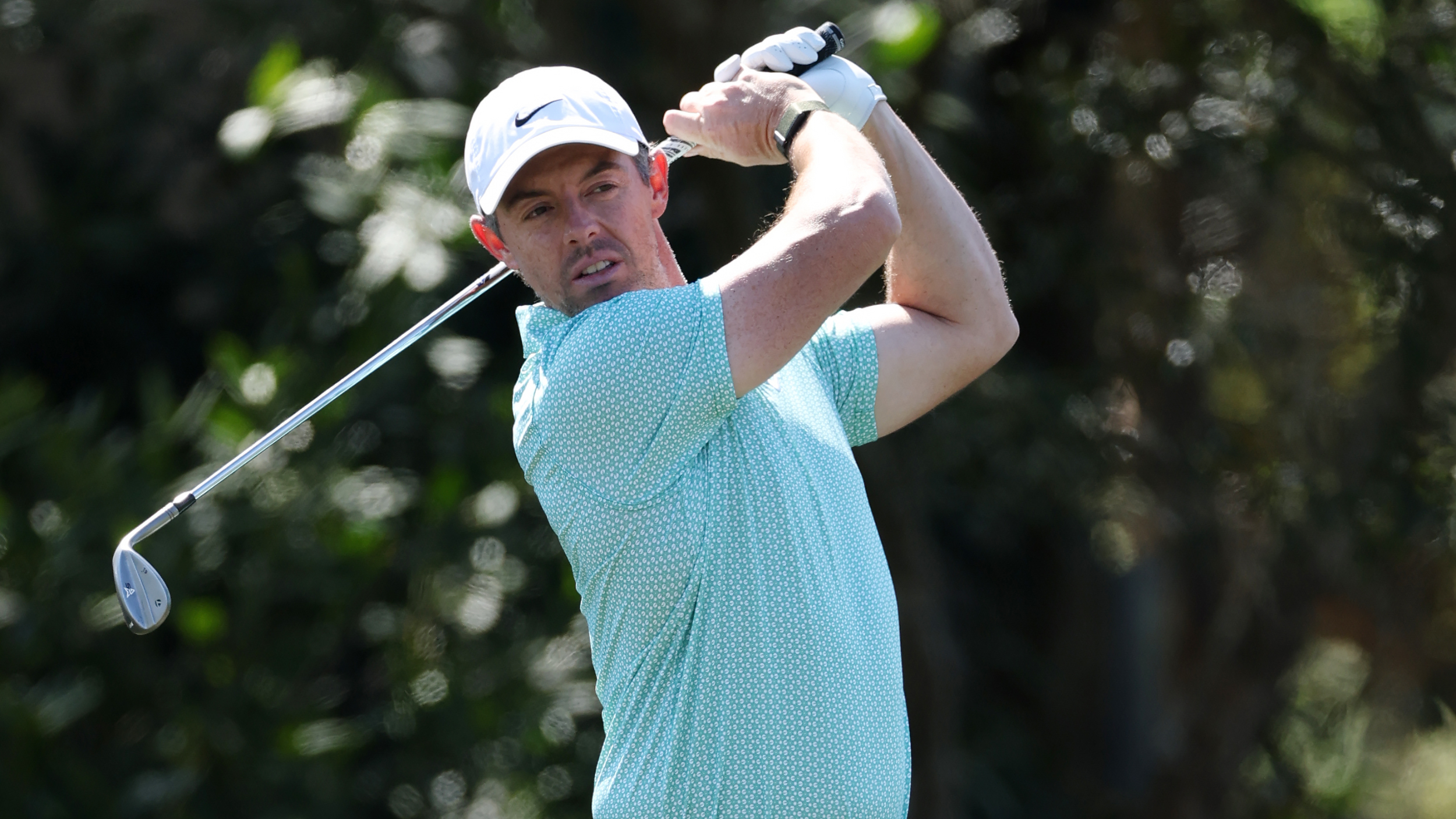
Rory McIlroy showed up at TPC Sawgrass on Wednesday afternoon—literally and figuratively. After bailing out of Bay Hill with a back injury that had him unable to even address a golf ball at the range come Saturday morning, the defending Players champion didn’t just arrive; he went to work, methodically testing his body’s limits with the kind of precision you rarely see from players in actual pain.
What strikes me after 35 years watching these guys navigate injuries is that McIlroy’s presence itself is the story here. Not whether he plays Thursday, but how he’s approaching the possibility. This isn’t a guy throwing caution to the wind. This is a competitor doing his due diligence.
The Real Test Isn’t On The Range
Let’s be clear about what we saw Wednesday: McIlroy hit wedges, then full swings. He moved from the range to the back nine with wedge and putter in hand. These aren’t the actions of someone hoping to limp through 18 holes. These are the actions of someone gathering intelligence.
“It’s better. It’s better than it was. I hit up until a 6-iron on the range there and it felt OK. I’ve got about, I don’t know, is it 20 hours until I tee off, or until I’m supposed to tee off tomorrow. So, yeah, we’ll see. I’m taking it sort of hour by hour.”
Notice that language. “Hour by hour.” Not “I’m confident I’ll play.” Not “I’m excited to defend my title.” McIlroy is giving himself permission to say no if the numbers don’t add up. In my three decades covering the tour, I’ve learned that’s actually the mark of a mature competitor. The guys who get hurt worse are the ones who commit too early and then feel obligated to gut it out.
What’s also notable? His medical team’s assessment. McIlroy emphasized the non-structural nature of the injury—muscular discomfort and fatigue, nothing joint-related. That’s the green light every player wants to hear. From a tour insider’s perspective, that distinction is everything. A structural issue keeps you off the course for months. Muscular issues? Those respond to rest, anti-inflammatories, and careful movement. “The drugs are working wonders,” he said, and you can hear the relief in that comment.
The Bigger Picture: Masters Looms
Here’s what casual fans might miss: McIlroy doesn’t just have The Players to think about. He’s defending his Masters title in exactly four weeks. That context changes everything about how he should approach this decision.
If I’m in his ear—and having caddied for Tom Lehman through the ’90s, I’ve seen this calculus made countless times—I’m saying: “Does playing The Players this week improve your odds at Augusta, or does it compromise them?” It’s not a selfish question. It’s a strategic one.
The Players is the stronger field and the more demanding test of shotmaking. Augusta is the event that matters more to McIlroy’s legacy right now. If playing 72 holes at TPC Sawgrass—a course that doesn’t spare your lower back with all those firm greens and complex rough—costs him even 5% fitness heading to Amen Corner, that’s the wrong trade.
“I would much rather do sort of short game and putting on the course rather than on the practice area, just get a better feel for the shots that you need.”
The fact that he’s already thinking about course setup—noting that this year’s Players configuration is “pretty different” from previous Marches—suggests he’s genuinely preparing to compete, not just show up. That’s encouraging. But it’s also why Wednesday’s reconnaissance matters. He needed to know if his body could handle the actual demands before committing.
Why This Matters Beyond McIlroy
There’s a larger tour narrative here worth considering. We’ve had an injury carousel the past few weeks—guys missing events, managing health issues, making the difficult call to sit out. McIlroy’s approach, though, offers a template: aggressive assessment followed by honest decision-making.
In my experience, that’s becoming increasingly rare. Players feel pressure to play through everything or pull out completely. McIlroy’s “game-time decision” model—showing up, testing the water, then deciding—is actually the most professional approach available to him.
His first-round pairing with Xander Schauffele and Hideki Matsuyama at 1:42pm Thursday will tell us volumes. If he’s on that tee box, we’ll know the assessment was positive. And frankly? With a two-time champion defending who’s already walked the course and gotten hands-on with the setup, his chances at back-to-back Players titles look pretty solid—provided his back cooperates over 72 holes.
We’ll know soon enough. But McIlroy’s shown up ready to make an informed choice rather than a desperate one. That’s the real story Wednesday afternoon.
