

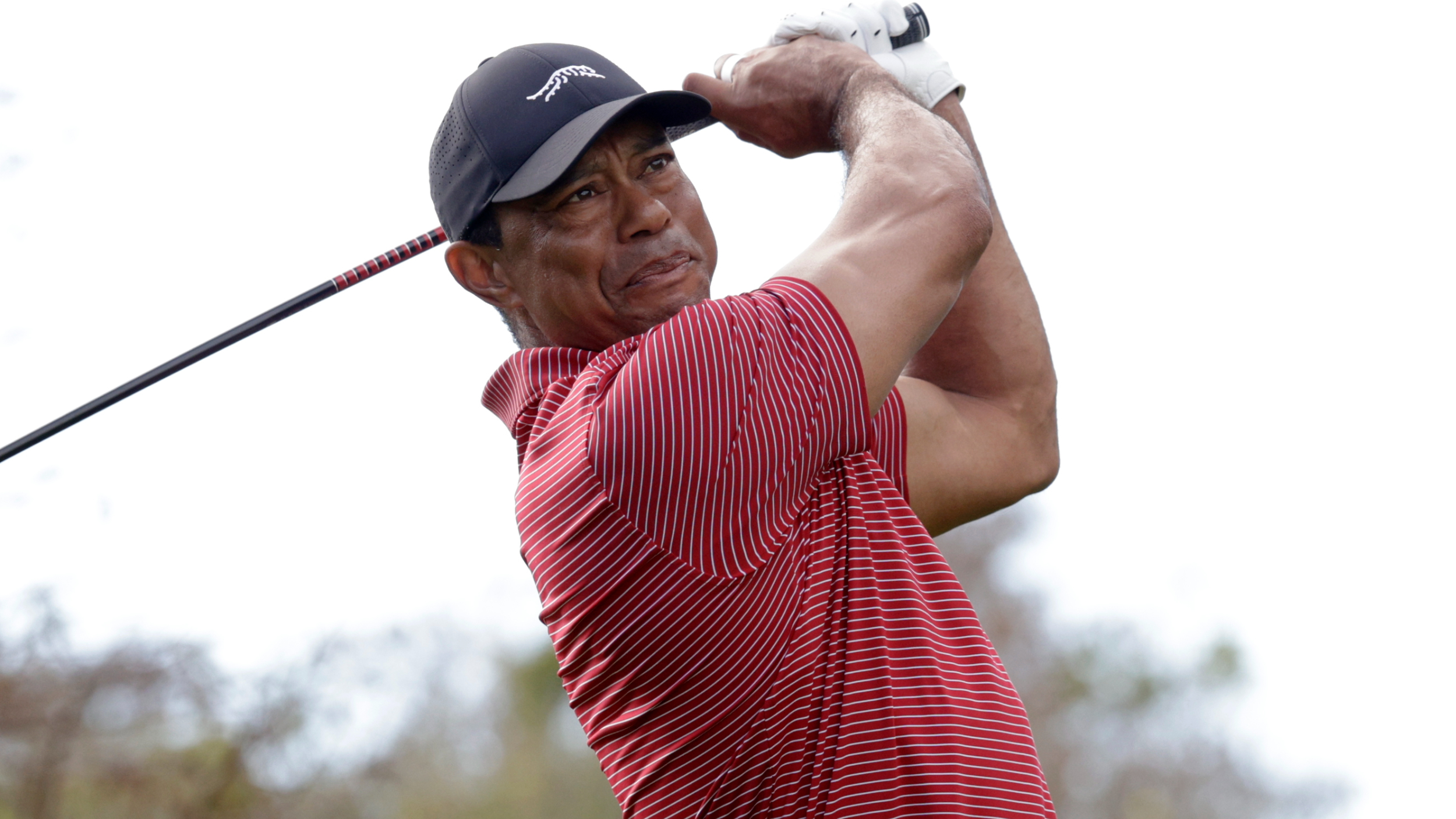

Tiger’s Masters Gambit and the Future of a Fractured Tour: What Woods Is Really Fighting For
I’ve been around this game long enough to know when a man is being truthful in a press conference, and when he’s managing expectations. Last week at Riviera, when Tiger Woods smiled and said “No” to the question of whether The Masters is off the table, I saw something I haven’t witnessed in years: genuine conviction paired with hard-won humility.
That’s a different Tiger than the one I covered a decade ago.
After 35 years covering professional golf, having carried clubs for Tom Lehman and witnessed 15 Masters tournaments, I can tell you that what Woods is attempting right now transcends his personal comeback narrative. Yes, his seventh back surgery in October and the subsequent road to recovery is the headline. But the real story—the one that matters for the entire sport—is that Tiger has become the reluctant architect of professional golf’s most consequential restructuring since the PGA Tour went to a volunteer commissioner model in the 1980s.
The Calibration of Comeback
Let’s be precise about what Tiger revealed in his Genesis Invitational press conference. He’s hitting full shots again. He’s managing an Achilles tendon that no longer presents issues. And critically, he’s acknowledging the timeline with refreshing candor:
“The disc replacement has been one thing. I’ve had a fused back and now a disc replacement, so it’s challenging… It’s probably going to take me a little bit longer. My body has been through a lot.”
What strikes me here is the absence of the old Tiger bravado. This isn’t a man predicting imminent return; this is someone being realistic about a 50-year-old body that’s endured seven surgical interventions. Will he make The Masters? Possibly. Will he be competitive at the highest level immediately? That’s a different question entirely.
But here’s what I think matters more: his openness to the PGA Tour Champions, where he can use a cart. For decades, I watched Tiger reject any accommodation to age or injury. Seeing him acknowledge that the Champions Tour presents an opportunity—even one he says he won’t initially pursue on the main tour—represents a philosophical shift. It’s not surrender. It’s pragmatism, and frankly, wisdom.
Anthony Kim and the Narrative We Need
Meanwhile, Woods took time to reflect on Anthony Kim’s miraculous comeback—winning his first professional title in 16 years at LIV Golf Adelaide after stepping away from the game entirely. Woods won at Charlotte early in his career, played with Kim at Congressional, and watched him light up the 2008 Ryder Cup. The respect in Tiger’s comments is palpable:
“For him to come all the way back and for him to win and to be as devoted as he is to his family, it’s a story in which you just have to wrap your heart around it because of the struggles.”
I mention this because in an era where professional golf has become fractured between legacy structures and startup money, these human stories matter. Kim’s resurrection—from the depth of personal crisis to competitive viability—reminds us why we cover this game. It’s not just about scorecard management; it’s about resilience.
The Boardroom Tiger Nobody Expected
But here’s where things get genuinely interesting, and where my three decades of tour observation feel relevant. Tiger’s boardroom work—his role chairing the PGA Tour’s Future Competitions Committee, his service on multiple boards, his internal deliberations about the Ryder Cup captaincy—this is consuming more of his time than practice ever did in his prime. He said it directly:
“I thought I spent a lot of hours practicing in my prime. It doesn’t even compare to what we’ve done in the boardroom.”
Having been inside tour operations during the late ’90s and 2000s, I can tell you this represents a sea change. The competitive player is now the strategic visionary, wrestling with schedule architecture, market expansion, competitive models, and generational opportunities. The proposed post-Super Bowl season start, the potential relocation of events like Genesis from February to August for the Playoffs, the consideration of Torrey Pines as an August destination—these aren’t minor tweaks. They’re restructuring the professional golf calendar.
The challenge Woods articulates is real: how do you serve players, media partners, title sponsors, local communities, and competitive integrity simultaneously? In my experience, that’s nearly impossible. Yet what I’m seeing in these boardroom dynamics is something encouraging—collaboration rather than the typical adversarial posturing that characterized tour politics in earlier eras.
The Hesitancy About Ryder Cup
Woods hasn’t committed to the Ryder Cup captaincy, and I believe that’s actually the right call—not because he wouldn’t be an exceptional captain, but because his bandwidth is genuinely maxed. He declined for Bethpage Black last year citing schedule constraints, and the situation hasn’t improved. The man is trying to rebuild his body, restructure professional golf’s competitive calendar, and serve in multiple governance capacities simultaneously. Add Team USA captaincy to that portfolio, and something breaks.
That’s not weakness; that’s self-awareness.
Where This Leads
I think what we’re witnessing is the emergence of Tiger Woods as elder statesman—not just competitor. The Masters gambit still intrigues me. Can he compete there? Maybe. Should we expect him to? Probably not. But the symbolic weight of Tiger attempting Augusta while simultaneously restructuring professional golf’s future architecture is compelling.
The PGA Tour is fragmented in ways it hasn’t been since the 1980s, and having Tiger engaged in actual governance work—building consensus, wrestling with complex competitive models—might be the antidote to the paralysis that gripped the tour during the LIV conflict.
After 35 years covering this game, I’ve learned that comebacks aren’t always about winning tournaments. Sometimes they’re about showing up differently, contributing through different means, and continuing to matter when the stage changes.
Tiger’s doing that right now. Whether or not he wins another green jacket might matter less than we think.
