


Greetings, fellow golf architecture enthusiasts! Mac Thompson here, reporting for The Daily Duffer. Today, we’re not traversing the hallowed fairways of a new championship course, nor are we dissecting the strategic genius of a Golden Age master. Instead, we’re delving into a topic that, while less romantic, is undeniably crucial to our enjoyment of the game: the tools of the trade. Specifically, the latest hybrid and fairway wood designs hitting the racks for the 2026 season. Even the most perfectly crafted course can feel like a slog if your long game is lacking. So, let’s peel back the layers of technology and see what these manufacturers are cooking up to help us navigate those longer holes.
I’ve always viewed golf clubs as an extension of an architect’s design. Just as Alister MacKenzie’s greens demand a certain touch, or Pete Dye’s hazards test a specific nerve, our equipment must be up to the task. Modern club design, much like modern course architecture, is a constant balance between pushing boundaries and respecting tradition. The advancements in hybrids and fairway woods are particularly fascinating because they address a universal challenge: those long second shots into par-4s or approaches on par-5s, where a slight mishit can turn a promising hole into a scorecard disaster.
The Hybrid Heroes of 2026
The hybrid, that chameleon of the golf bag, continues to evolve. No longer just a rescue club, it’s now a bona fide scoring tool. The key, as I see it, is finding a hybrid that feels like an extension of your iron play, or a seamless transition from your fairway woods, depending on your preferred ball strike. This year, manufacturers are offering a delightful smorgasbord of options to cater to every swing DNA.
Callaway, ever at the forefront of innovation, presents their Quantum Max. I appreciate that they recognize the fundamental difference in how golfers approach hybrids:
“One of the first things to determine when you’re looking at new hybrids is what your preferred head shape is. Do you play your hybrids more like an iron, with a descending blow that generally takes a divot? Or are you more of a “picker” or “sweeper”? More compact clubheads will favor the former kind of swing, while larger/wider ones are typically more appealing to the latter kind of player.”
The Quantum Max, with its compact head and movable sole weights, speaks to those who demand surgical precision and an iron-like feel. This level of customization, extending to a six-way adjustable hosel, allows a player to truly dial in the club’s performance to their idiosyncratic swing, a personal touch as appealing as a custom-designed green complex.
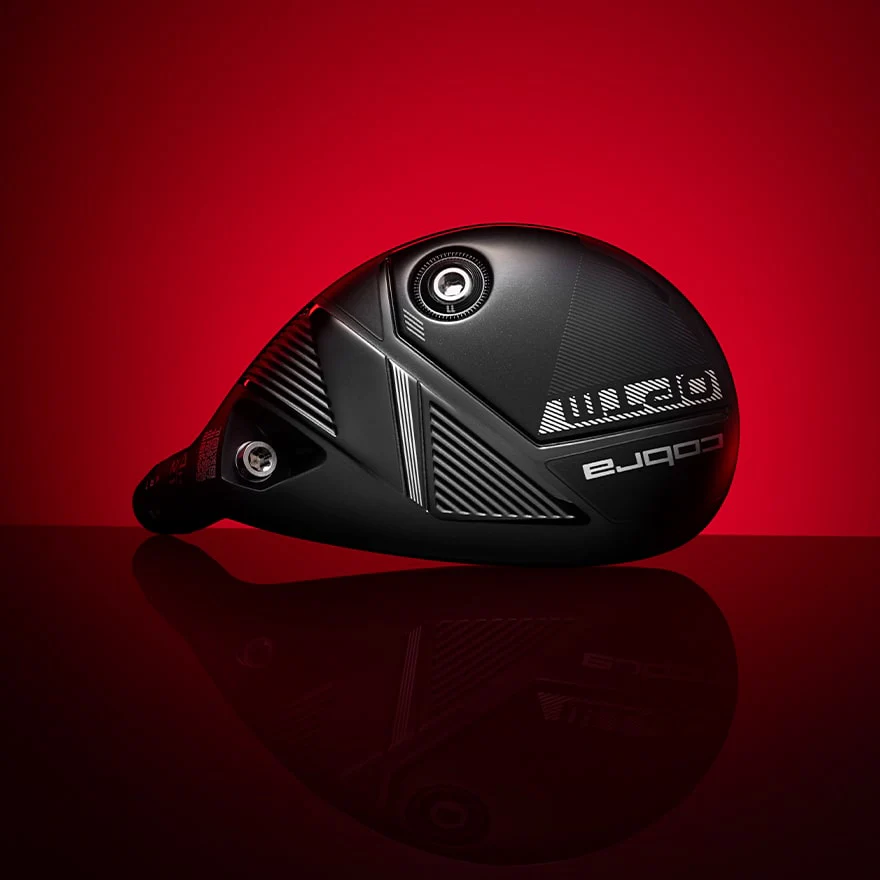
Cobra’s OPTM hybrids are another standout. I’ve always admired Cobra’s commitment to adjustability, and the OPTM takes it to another level with their FutureFit33 hosel. Thirty-three independent loft and lie settings? That’s not just adjustability; that’s an invitation to a fitting session that could unlock serious gains. The larger profile also suggests a friendly embrace for those who appreciate a bit more visual confidence behind the ball. PING, with their G440, offers a fascinating approach to flight shaping across different lofts. Imagine having a 2H that naturally wants to fade, while your 6H encourages a gentle draw. It reminds me of a well-designed hole with a prevailing wind – you learn to work with the natural tendencies. Their Carbonfly Wrap crown also appeals to the design purist, always shedding weight to optimize performance.

My interest is always piqued by Mizuno, a brand synonymous with feel. Their JPX ONE hybrids combine that renowned feedback with modern speed and forgiveness. The uniform 1.8mm MAS1C maraging steel face and enhanced CORTECH Chamber sound like a recipe for maintaining ball speed even on less-than-perfect strikes, a blessing when you’re facing a long carry over a hazard. And frankly, a hybrid that looks good and feels good is half the battle won, a design principle I attribute to classic architects who understood the visual appeal of a well-framed hole. TaylorMade and Titleist round out a strong hybrid field, both bringing their signature blend of technology and playability. The Cut-Through Speed Pocket on the TaylorMade Qi4D Rescue is a testament to the persistent engineering quest to minimize penalties for common misses.
“The club also features a flatter, more playable sole design than some of your other options, along with a sleek profile that sits flush to the turf, improving turf interaction and making it easier to strike the ball cleanly from a variety of lies.”
This attention to turf interaction from Titleist’s GT2 hybrid is critical. A club that glides effortlessly through various lies is an invaluable asset, especially when playing courses with diverse ground conditions, akin to how a Pete Dye design might challenge you from a multitude of angles. The adjustable weighting and hosel on the GT2 also nod to the precision demanded by discerning players.
Fairway Woods: Power and Precision
Fairway woods are the big guns for those long, demanding holes, the ones that make or break a round. Like the hybrids, the 2026 lineup shows manufacturers are transplanting driver technology to these critical clubs, and the benefits are palpable. We’re talking more customization, lower centers of gravity, and faces that are hotter across a wider area.
Callaway’s Quantum Max fairway wood continues the family’s theme, featuring Speed Wave 2.0 technology. The forward and low weighting to stabilize launch, especially on low-face strikes, is a thoughtful design choice, as common a miss as any when trying to advance the ball from the fairway. The AI-optimized face, a trend we’re seeing across the board, ensures that even off-center hits retain speed and launch, making these clubs more forgiving than ever. The Step Sole design is another clever detail, reducing turf interaction – a blessing on those tight lies. I’ve seen too many promising shots chunky into the turf; these subtle design elements are game-changers.
Mizuno’s JPX ONE fairway woods again deliver their characteristic blend of aesthetics and performance. The re-engineered CORTECH Chamber, acting as an “additional energy source,” is a compelling concept. I appreciate their commitment to combining classic shaping with modern engineering, much like how a classic course can be subtly renovated to meet the demands of the modern game without losing its soul. The multi-thickness maraging steel face and wrap-around composite crown speak to a meticulous approach to weight distribution and energy transfer that truly resonates.

For those of us who occasionally struggle with the dreaded slice, PING offers a lifeline with the G440 SFT – “Straight Flight Technology.” A draw-biased center of gravity is precisely what many golfers need to navigate treacherous doglegs and avoid wayward shots. It’s a design philosophy that, in its own way, helps golfers manage the course’s strategic demands. PXG’s Lightning Tour fairway wood boasts a thinner, reduced-perimeter face for explosive ball speeds and a Spined Sole Design to reduce vibration. The adjustable front and back weighting system is another nod to personalized performance, giving players granular control over their ball flight, much like a savvy caddie reading the nuances of a green.
“Srixon’s classic-looking ZXi fairway woods couple innovative engineering with on‑course performance in a club design that will appeal to both better players and ambitious mid‑handicappers. At the core of that design is the i‑FLEX face, a completely redesigned variable‑thickness face pattern that optimizes energy transfer at impact, producing explosive ball speeds and more distance.”
Srixon’s ZXi, with its classic looks and i-FLEX face, is intriguing. The combination of aesthetics that appeal to the traditionalist and underlying technology to boost performance is a sweet spot. And TaylorMade’s Qi4D Tour Fairway continues their legacy of pushing the envelope. The Trajectory Adjustment System (TAS) and 4-degree adjustable loft sleeve, paired with their proven Speed Pocket and Twist Face technologies, offer a comprehensive package for optimizing launch, spin, and dispersion. Finally, Wilson’s DYNAPWR Carbon fairway wood, with its AI-powered PKR-360 face and lightweight carbon crown, offers a blend of power and forgiveness that is increasingly essential in today’s game.
The beauty of these new offerings for 2026 is that they offer unprecedented levels of customization and forgiveness. No longer are we locked into a one-size-fits-all approach. Club designers, in a way, are becoming architects of our swings, providing us with the tools to better navigate the challenges of any course. For a golf architect enthusiast, it’s a testament to thoughtful design, ensuring that every golfer, regardless of skill, has the best chance to appreciate the strategic beauty of the game, one impeccably struck long shot at a time.
