

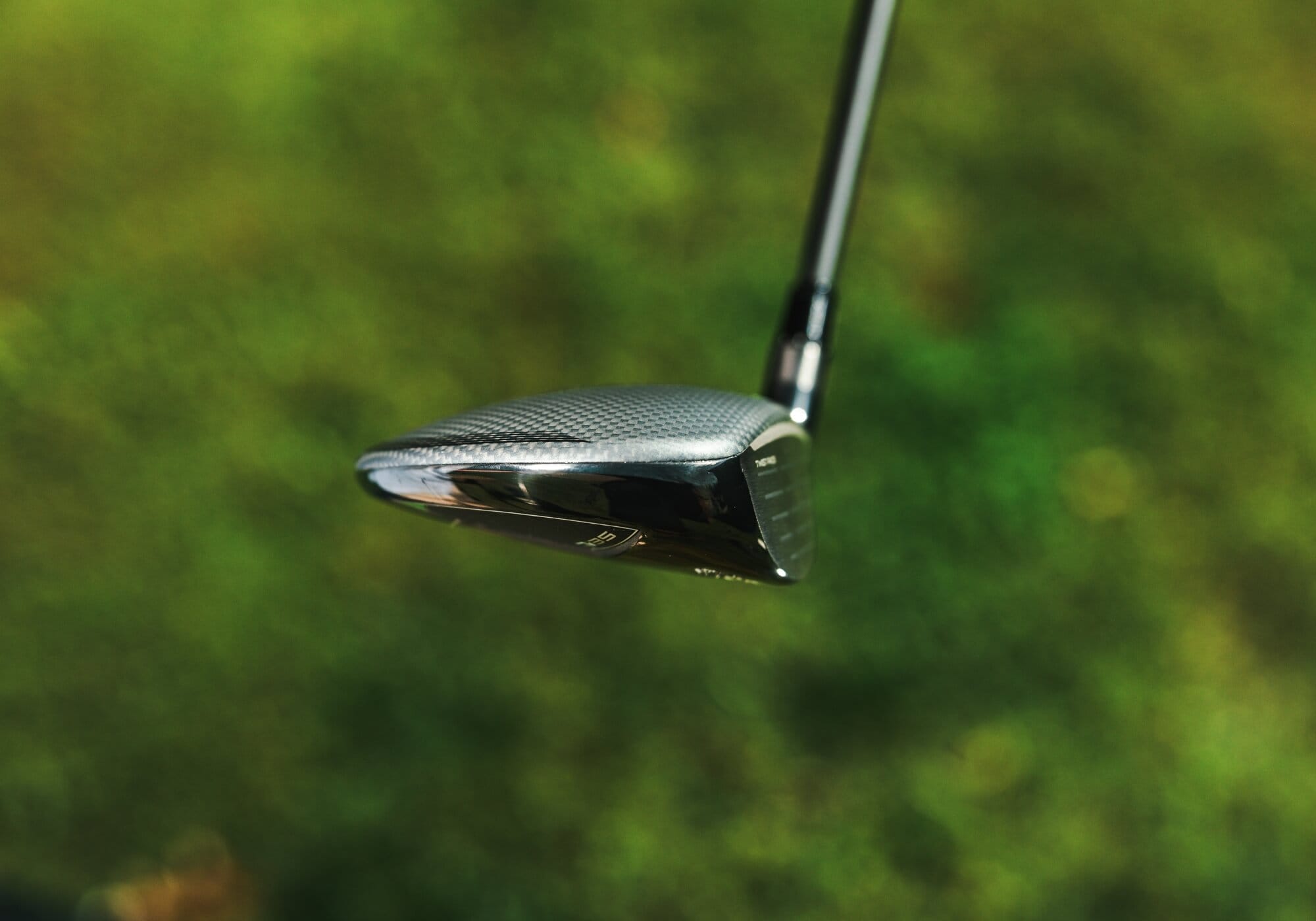

Unlocking Fairway Woods: The Secrets You Need to Know
Fairway woods might just be the most misunderstood clubs in your golf bag. It’s like they have a reputation—golfers either adore them or are terrified to touch them. The classic 3-wood often gets labeled as “impossible to hit,” but the real culprit behind these struggles usually has more to do with setup than with the club itself. If you’ve ever found yourself topping your 3-wood, screaming at a low shot sneaking across the fairway, or scratching your head over divots, then this guide is for you!
Ball Position: Your First Step in Fixing Inconsistencies
Let’s start with the basics: where you place the ball. Many golfers mistakenly treat their fairway woods like they do their driver. Since the clubhead is bigger than an iron, it seems logical to place the ball way up in your stance. But here’s the kicker—without a tee, this can lead to some serious mishits. When the ball is too far forward, you’re just asking to swipe it and end up with those dreaded topped shots or “worm burners.”
Fixing It
So, what’s the quick fix? Move that ball slightly back in your stance. A good rule of thumb is to have it just inside your lead foot but not as far back as your driver. This tweak allows the club to bottom out in front of the ball, giving you a cleaner hit. Easy peasy!
Divots: Should You or Shouldn’t You?
You might’ve heard that you shouldn’t take any divot when using a fairway wood. While it’s true that you won’t be cutting a massive chunk out of the turf like you might with an iron, the idea that you should completely avoid the grass is misleading. Fairway woods are designed to sit lower to the ground, naturally producing a sweeping motion.
The Real Deal
Think of it like this: you want to brush the grass right after you hit the ball. You’re not digging deep; just a slight brush will do the trick. This approach ensures that you compress the ball and launch it beautifully into the air.
Loft: More Important Than You Think
Let’s talk loft. Not all 3-woods are created equal. A standard 3-wood has about 15 degrees of loft, which can be tough for many golfers—especially if you swing less than 100 mph. If you’re a mid or high handicapper and struggling with consistency, it might be time to consider a higher-lofted fairway wood. Aim for models around 16 to 17 degrees, which will help you launch higher and carry farther while boosting your confidence. So, don’t be afraid to ditch the traditional 3-wood in favor of a 4-wood or 5-wood that suits your swing speed!
Why Fairway Woods Feel Different From Irons
Another common issue with fairway woods is the feeling that requires a different swing. The reality? Your swing doesn’t need a major overhaul. What actually changes is how the club is designed.
Key Differences
- Irons have a steeper lie angle, guiding you toward a more upright swing.
- Fairway Woods sit flatter and lower to the ground, promoting a sweeping motion rather than a steep dig.
Understanding this distinction means you don’t need to reinvent your swing—just make small adjustments, especially focusing on ball position.
A Simple Drill for Consistency: Club Across Shoulders
Here’s a drill I love for helping golfers feel the right motion when hitting fairway woods. This exercise trains you on proper rotation and impact position while keeping you from making that common mistake of trying to "help" the ball into the air.
How to Do It
- Setup: Place the club across your shoulders with the grip end pointing toward your target side.
- Backswing: Make your normal backswing, turning into your trail side.
- Shift Forward: As you start down, feel your weight moving into your leading side, keeping that grip end pointing toward the ball for as long as possible.
- Lead-Shoulder Feel: Pay attention to your lead shoulder—it should stay low and forward through impact, not lifting up and back.
- Rehearse and Transfer: Do a few practice swings, then try hitting the ball while maintaining that lead shoulder feeling.
This drill will give you the consistency you’re looking for!
Wrapping It Up: Final Thoughts
If your fairway woods seem inconsistent, chances are it’s not the club’s fault. Most issues stem from incorrect ball position, misunderstanding loft, or just not grasping how these clubs work with the turf. Nail these fundamentals, and you’ll likely see a massive improvement in your game.
Now, once you’ve sorted out your techniques, you might be thinking about upgrading your gear. Check out some options and find a club that truly matches your game. Trust me, the right fairway wood can make all the difference. Happy golfing!
