

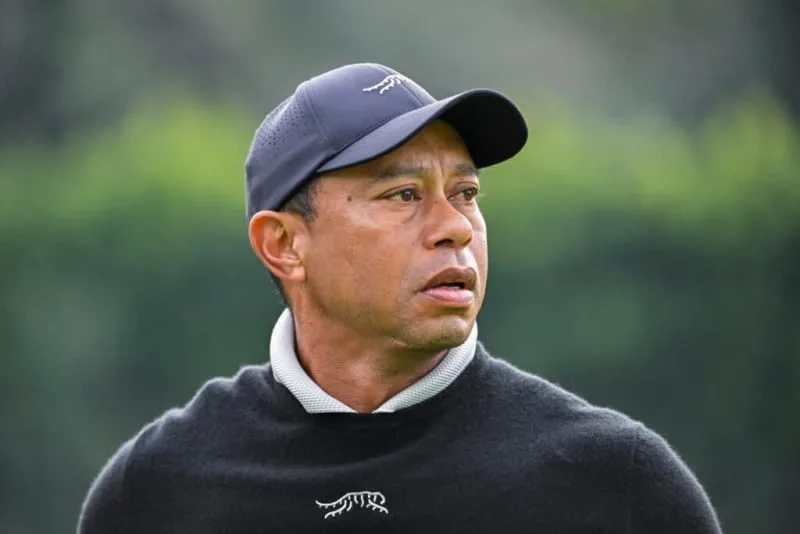

Tiger’s Ryder Cup Decision: Why 2027 Captaincy Matters More Than You Think
After 35 years covering professional golf, I’ve learned that the biggest stories aren’t always the ones that seem obvious on the surface. And Rich Beem’s recent comments about Tiger Woods potentially captaining Team USA at Adare Manor in 2027? That’s one of those stories hiding in plain sight.
What strikes me most isn’t whether Tiger will take the job—it’s what his hesitation reveals about where the Ryder Cup stands in professional golf right now, and what it says about leadership in an era when even our greatest champions are being asked to do more with less.
The Tiger Calculus Has Changed
Here’s what we know: Back in December, Woods told reporters at the Hero World Challenge he hadn’t heard from the PGA of America about captaincy. Fast forward a few months, and suddenly the conversation had shifted. The organization had reached out. But Tiger wasn’t rushing into anything.
“I think that if he were to take the captaincy, he would have cemented his place as the captain already and said, ‘boys, we’re going’. We talk about the Ryder Cup all the time, but I think it would put the boys in a different frame of mind.”
That’s Beem speaking on Sky Sports Golf, and he’s articulating something I think a lot of people miss: Tiger’s willingness to accept the job isn’t just about logistics or timing. It’s about whether he can bring the kind of absolute conviction and commitment that he believes the role demands.
In my experience, when Tiger Woods walks away from an opportunity—and make no mistake, he’s seriously considering it—there’s always a reason that goes deeper than surface excuses. The man won 15 major championships. He’s not afraid of difficult challenges. So what’s different about this one?
The Commitment Question Nobody’s Talking About
Here’s where my three decades around this game come into play. Tiger currently serves as chairman of the Future Competition Committee on the PGA Tour, and he still harbors hopes of playing professionally again. Those aren’t small commitments. And Woods has made it clear he won’t accept the captaincy unless he felt fully able to commit to it.
That’s actually refreshing honesty in modern sports, frankly. Too many leaders overcommit, then deliver half-measures. Tiger’s saying: if I do this, I’m doing it right, or I’m not doing it at all. Having caddied for Tom Lehman during his playing days and watched him transition into various leadership roles, I’ve seen firsthand how fractured attention can undermine even the most talented captains.
The American Ryder Cup team doesn’t need a figurehead. They need someone willing to establish a winning culture two years before a single shot is struck on Irish soil. That’s what Beem is really saying when he talks about putting the players “in a different frame of mind.”
What If Tiger Says No?
Now here’s where it gets interesting for the PGA of America. If Woods declines, the organizational hierarchy has some real decisions to make.
Keegan Bradley took the last captaincy in what felt like a long, complicated process. The wait for Tiger created uncertainty, and Bradley eventually got the call. He hasn’t ruled out doing it again—which, to be honest, speaks well of his temperament, win or lose. There’s no shame in returning.
But I think there’s a deeper bench worth considering. Brandt Snedeker has quietly become a respected voice among younger tour players. Stewart Cink carries the credibility of a two-time major champion and someone who’s maintained the respect of the locker room through genuine character. These aren’t flashy names, but they’re solid options.
“I think I’d have a completely different answer if you asked me that three months ago, but right now, no.”
Beem’s about-face is notable precisely because it shows how much the calculus shifts when you really think deeply about what the captaincy demands versus what’s currently on Tiger’s plate.
The Bigger Picture: Ryder Cup Leadership in 2027
What’s often lost in these discussions is that captaincy selection reveals a lot about where an organization thinks it needs to go. After how the American team performed recently, there’s clearly been internal reflection about whether the traditional “big name” approach is the best path forward.
That’s not criticism of any individual. It’s just reality. The Ryder Cup at Adare Manor will be at a venue that favors precision and course management. Whoever captains Team USA needs to think strategically about pairings, course setup knowledge, and the psychological edge that comes from confidence born of preparation.
In my view, what Beem is really endorsing—indirectly—is Tiger’s self-awareness. The fact that Woods is honest enough to say “I’m not sure I can give this what it deserves right now” is, paradoxically, exactly the kind of leadership thinking the Ryder Cup needs. You want a captain who understands the difference between being willing to do something and being ready to do it well.
We’ll find out eventually what Tiger decides. But whatever that decision is, it’ll tell us plenty about his priorities and his respect for what the captaincy actually requires. And honestly? That’s the story worth watching.
