

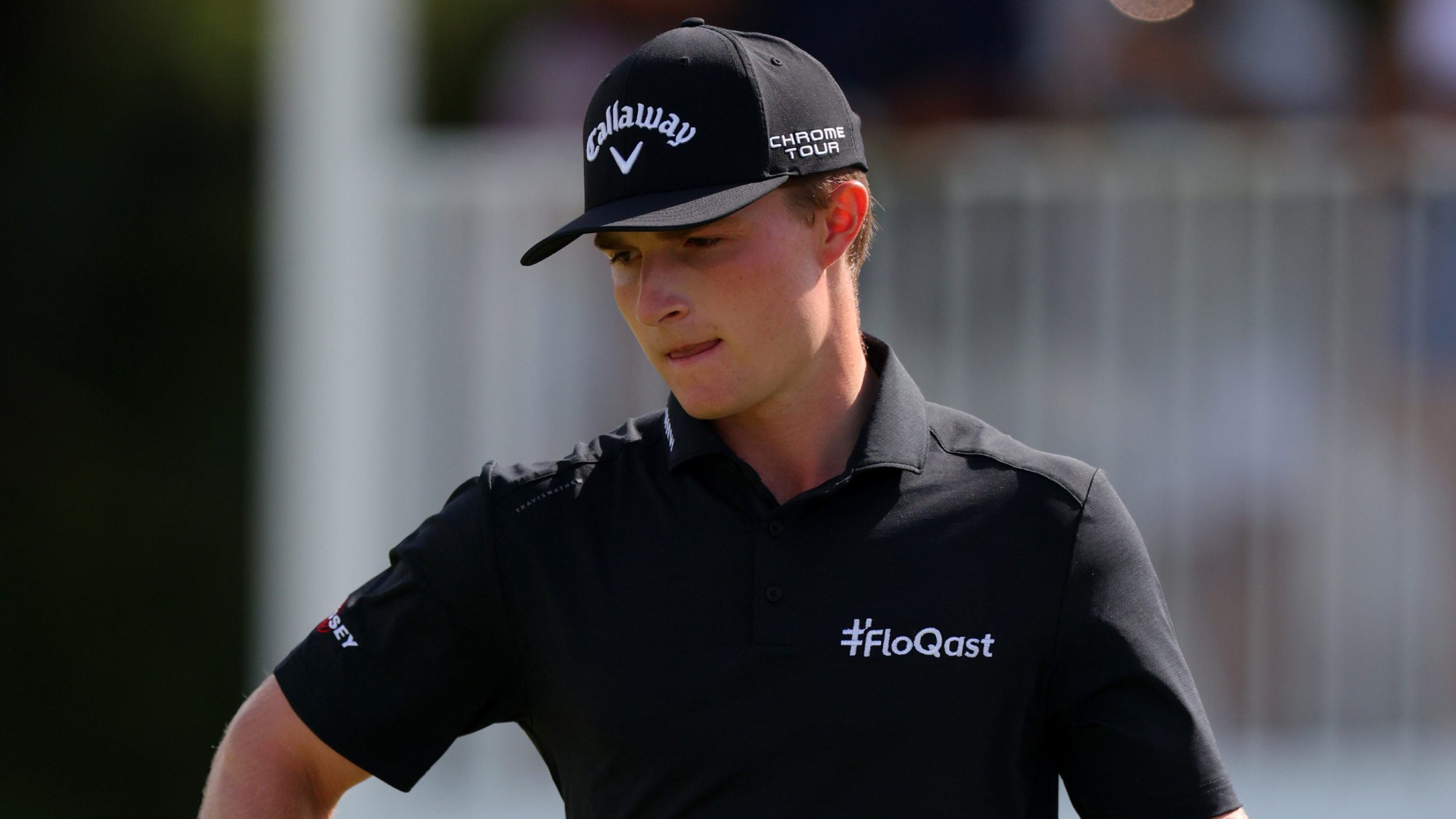

Ricky Castillo’s Puerto Rico Victory Shows Why the Tour’s Depth Chart Just Got a Lot More Interesting
I’ve been covering professional golf for 35 years, and if there’s one thing I’ve learned, it’s that the narrative of “young player breaks through” never gets old because it keeps happening in new and meaningful ways. Last week at the Puerto Rico Open, Ricky Castillo didn’t just win his first PGA Tour event—he answered a question that’s been nagging at tour observers all season: what happens when a talented kid gets a second chance?
The backstory here is what makes this compelling. Back in November, Castillo missed full playing privileges by finishing 102nd on the FedEx Cup points list when he needed top-100. That’s the kind of “so close it stings” finish that could’ve derailed a younger player’s psyche entirely. Instead, he took conditional status and used it as a springboard. That resilience matters more than some fans realize.
Playing Bogey-Free Golf When It Counts
What strikes me most about Castillo’s week wasn’t just the victory itself—it was how he constructed it. The kid played his final 52 holes without a bogey. That’s not luck. That’s not a hot putter carrying you through. That’s disciplined, championship-caliber golf.
His closing 68 in windy conditions on Saturday put him in position heading into Sunday, but Sunday is where champions separate from contenders. When Castillo faced par-5 sixth hole on the final round, he was threading the needle between Chandler Blanchett on one side and an 18-year-old phenom named Blades Brown on the other. Both were looking for maiden PGA Tour victories of their own. Brown was particularly threatening—he’d made four birdies on the front nine to tie for the lead.
“It means a lot. I mean, it’s something I’ve been wanting to do ever since I was a little kid and be a winner on the PGA Tour and be able to call myself a PGA Tour winner is pretty cool now, for sure.”
That’s Castillo talking post-victory, and there’s genuine emotion there. But here’s what I found more telling: Brown’s triple bogey at the par-4 13th basically handed the tournament to someone else, but Castillo still had to execute. And he did. He rolled in a birdie putt when the co-lead was on the line, then birdied 14th to stretch his advantage to two shots. Then he closed with four pars. That’s not backing into a win—that’s finishing.
The Real Prize: That Two-Year Exemption
Let’s talk about what this victory actually means beyond the trophy and the $720,000 check. Castillo picks up 300 FedEx Cup points, a two-year PGA Tour exemption, and—importantly—a spot in the PGA Championship. The exemption alone changes his trajectory completely. No more sweating out Monday qualifying or conditional status conversations. He’s got runway now.
In my years caddying for Tom Lehman back in the ’90s, I saw firsthand how psychological weight affects performance. When you’re constantly worried about your tour card, your swing gets tight. Your decision-making gets conservative. That two-year exemption removes that noise. Castillo can now focus on golf instead of survival.
That said—and this is important—Castillo himself showed maturity about where this victory fits in his bigger picture. The kid’s already thinking ahead:
“I feel like this still doesn’t get me into The Masters and stuff like that, so I still have things to look forward to and strive for.”
Not many 24-year-olds win their first PGA Tour event and immediately acknowledge it’s not the final destination. That’s the kind of perspective that separates players who have one good week from players who build careers.
What This Says About the Tour’s Current Depth
Here’s what doesn’t get enough discussion: the tournament had multiple storylines converging—Brown’s prodigious teenage talent, Blanchett’s search for his first win, and Castillo coming off conditional status. A decade ago, maybe that Castillo narrative doesn’t exist because the conditional status tier isn’t as robust. The modern tour’s structure is actually creating these second-chance moments more deliberately.
I think that’s healthy. Is it sometimes messy? Sure. But it rewards preparation and mental toughness, not just consistency. Castillo proved he belonged on that stage.
One note worth mentioning: John Daly II, another name in the conversation heading into Sunday, shot 74 and finished T37. Sometimes the storyline gods smile on the right person.
Where Castillo Goes From Here
In three decades covering this tour, I’ve learned that one win doesn’t make a career, but it does change the conversation forever. Castillo’s now a PGA Tour winner at 24 with only 35 starts under his belt. That’s efficient. The question now is whether he builds on it or becomes one of those “flash in the pan” stories we reference years later.
I’m inclined toward optimism. A player doesn’t play 52 holes bogey-free by accident. The mechanics are there. The mindset appears there. Now it’s about consistency and handling increased expectations—which, admittedly, is where a lot of young winners stumble.
But Castillo’s already thinking about The Masters. That hunger, combined with newfound tour security, gives me reason to believe Puerto Rico was just the first of several wins for this kid.
