


McIlroy’s Game-Time Gamble: Why His Players Championship Decision Matters More Than You Think
After 35 years covering this tour, I’ve learned that the most telling moments aren’t always the dramatic ones. They’re the quiet ones—a player showing up despite injury, taking cautious practice swings, speaking in measured tones about “hour by hour” decisions. That’s where the real story lives.
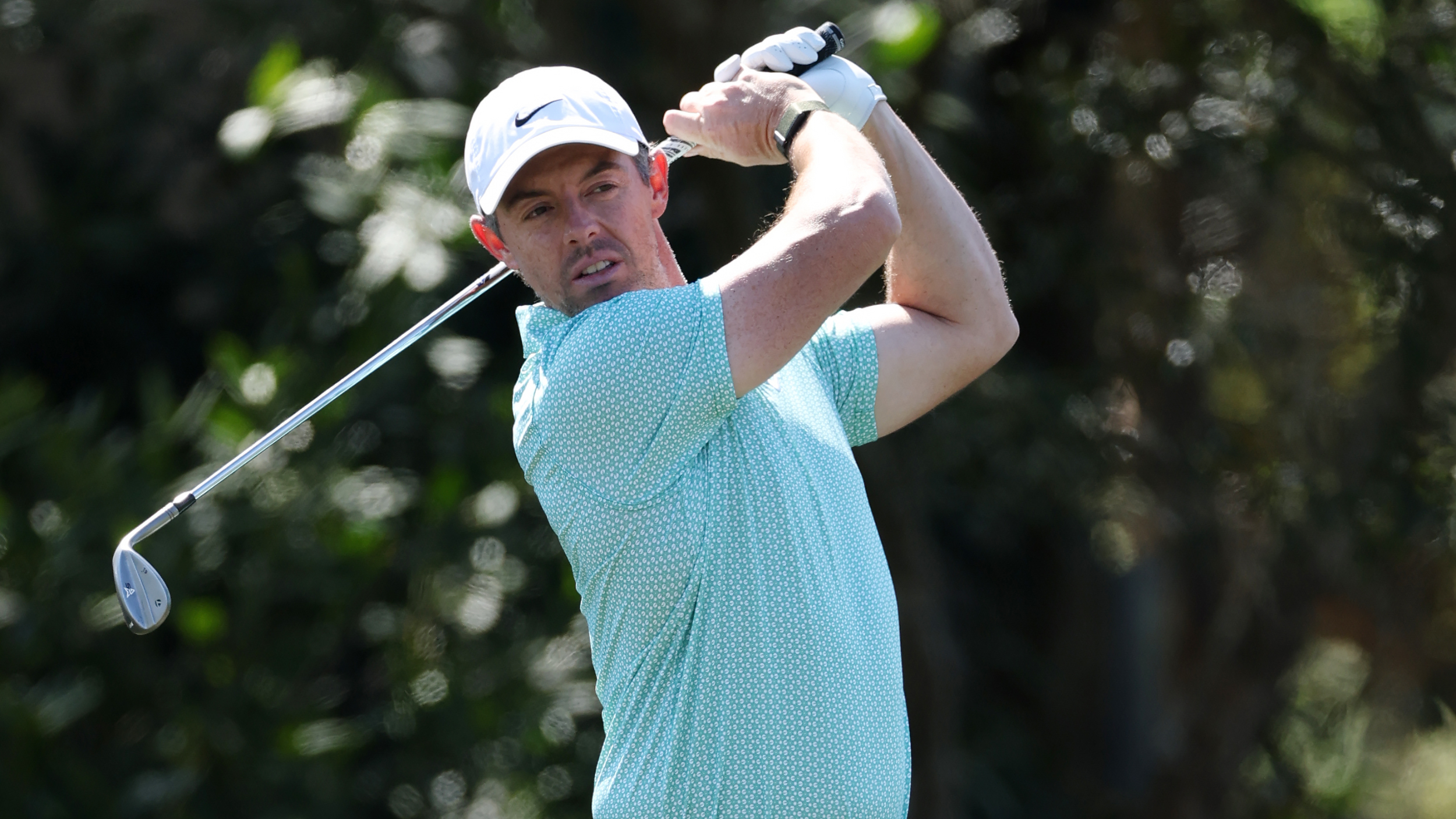
Rory McIlroy’s appearance at TPC Sawgrass on Wednesday afternoon falls squarely into that category. On the surface, it’s simply a defending champion working his way back from a back injury that forced him out of the Arnold Palmer Invitational. But dig deeper, and you’ll find something more revealing about the pressures facing elite players in 2024—and the sometimes-reckless calculations they make in pursuit of protecting their interests.
The Setup: A Vulnerable Moment
Let’s be clear about what happened here. McIlroy couldn’t even address a golf ball on Saturday morning at Bay Hill. Three days later, he’s at one of the game’s most demanding venues, testing his back with full swings and mapping out the short game. That’s either admirable commitment or a concerning rush—and honestly, it’s probably both.
What strikes me about this situation is the implicit pressure McIlroy faces as a two-time Players champion returning to defend his title. There’s tournament equity at stake. There’s ranking points. There’s the narrative around his season. These forces create a gravitational pull that can override prudent decision-making, even for someone as accomplished and intelligent as Rory.
I’ve seen this before—caddied through it, actually, back when I was working for Tom. You feel better, you start testing yourself, and suddenly you’re convincing yourself that showing up is half the battle. Sometimes it works out. Sometimes it doesn’t.
What the Medical Framing Reveals
Here’s where McIlroy’s own assessment becomes important. When asked about the risk of aggravating the injury during competition, he offered this perspective:
“It’s not. It’s not structural, it’s not joint, it’s fine. It’s purely muscular sort of discomfort and fatigue.”
That’s a crucial distinction, and I think he’s being genuinely reassuring there—both to himself and to observers. Muscular discomfort and fatigue are genuinely different animals than structural concerns. The former can improve rapidly with rest and anti-inflammatory treatment. The latter tends to linger and worsen under competitive stress.
But here’s what I’ve learned: players are optimistic by nature. They have to be. That same optimism can become a liability when it meets competitive pressure. The fact that McIlroy’s “drugs are working wonders,” as he put it, is encouraging. But one good Wednesday range session doesn’t necessarily predict how 72 holes of competitive golf will feel.
The Short Game Audit
What genuinely impressed me about Wednesday’s work wasn’t the full swings—those are almost theater, a show for the media and fans. What mattered was his decision to walk nine holes with wedge and putter, getting a feel for the greens and rough.
“We’re going to go walk nine holes now with a wedge and a putter just so I can get a feel for the rough around the greens and how firm the greens are.”
That tells me Rory is thinking tactically, not just physically testing his back. He recognized that the course setup is different this year—”a pretty different setup this year than what it’s been in previous years in March,” as he noted—and he wanted intel rather than assumptions. That’s veteran-level thinking from someone who’s won here before.
At the same time, skipping the practice round entirely while defending your title? That’s cutting it awfully close. In my experience, those practice rounds exist for a reason—they’re not just about hitting balls. They’re about reading the course, feeling the wind patterns, getting your body and mind calibrated to the specific challenge ahead.
The Bigger Picture
Here’s what really matters about this situation: it’s emblematic of how the modern tour operates. Players are expected to be available, to defend their positions, to show up for marquee events regardless of physical circumstances. The schedule doesn’t accommodate injury recovery the way it perhaps should.
McIlroy is a two-time Masters champion coming up next month. He’s defending here. He’s navigating a season with significant pressure and expectations. From a competitive standpoint, you can understand why sitting out doesn’t feel like an option—even when you can’t address a golf ball on Saturday morning.
That said, I’m cautiously optimistic about what I’m seeing. His language has shifted from “I hope I can play” to “all indications are pointing in the right direction.” His physical testing Wednesday—moving from wedges to full swings—showed progressive improvement rather than stagnation. And his tactical approach to course management suggests his mind is sharp even if his back isn’t quite there yet.
The Real Test
McIlroy’s scheduled to tee off Thursday at 1:42 p.m. local time alongside Xander Schauffele and Hideki Matsuyama. That’s a strong group, and if Rory’s in the field, he’ll be the sentimental favorite in that pairing.
But the real test isn’t Thursday. It’s Friday and Saturday—when the pressure compounds, when fatigue sets in, when a muscular issue that felt manageable on Wednesday can suddenly become a problem. That’s when we’ll know whether this was a smart comeback or a calculated risk that didn’t pay off.
What I’m watching for: Does he withdraw before his round? Does he make it through 18 but struggle through 36? Or does he genuinely feel better as the tournament progresses, proving that the rest and treatment actually worked?
In my three decades covering this tour, I’ve learned that the answer tells us everything we need to know about where McIlroy is headed this season.
