


Ah, the Stadium Course at TPC Sawgrass. Just the name conjures images of gladiatorial contests, strategic brilliance, and, of course, the heart-stopping 17th hole. As a golf architecture enthusiast who has had the privilege of walking over 200 courses worldwide, I can tell you that few places stir the emotions quite like Pete Dye’s masterpiece in Ponte Vedra Beach, Florida. It’s a place where the landscape itself feels like it’s challenging you to unlock its secrets, where every shot is an examination, and every decision carries weight.
I’ve always admired Pete Dye’s philosophy, a delightful blend of strategic genius and psychological torment. He wasn’t afraid to build courses that looked intimidating, knowing full well that the challenge would often be more mental than physical. TPC Sawgrass is perhaps his magnum opus in this regard. Opened in 1980, it completely redefined what a tournament course could be – a true stadium for golf, designed explicitly for spectators. You can feel that stadium atmosphere from the moment you step foot on the property, from the grandstand seating around the greens to the massive hospitality buildouts that hint at the scale of the Players Championship.
The course isn’t just about the iconic holes; it’s a masterclass in routing and variety. Dye strategically places water, bunkers, and mounding to create a diverse set of challenges, forcing players to think on every tee and approach. The opening holes lull you into a false sense of security before the back nine unleashes its fury. And then there’s the famed closing stretch, 16, 17, and 18, a trio designed to bring drama right to the very end.
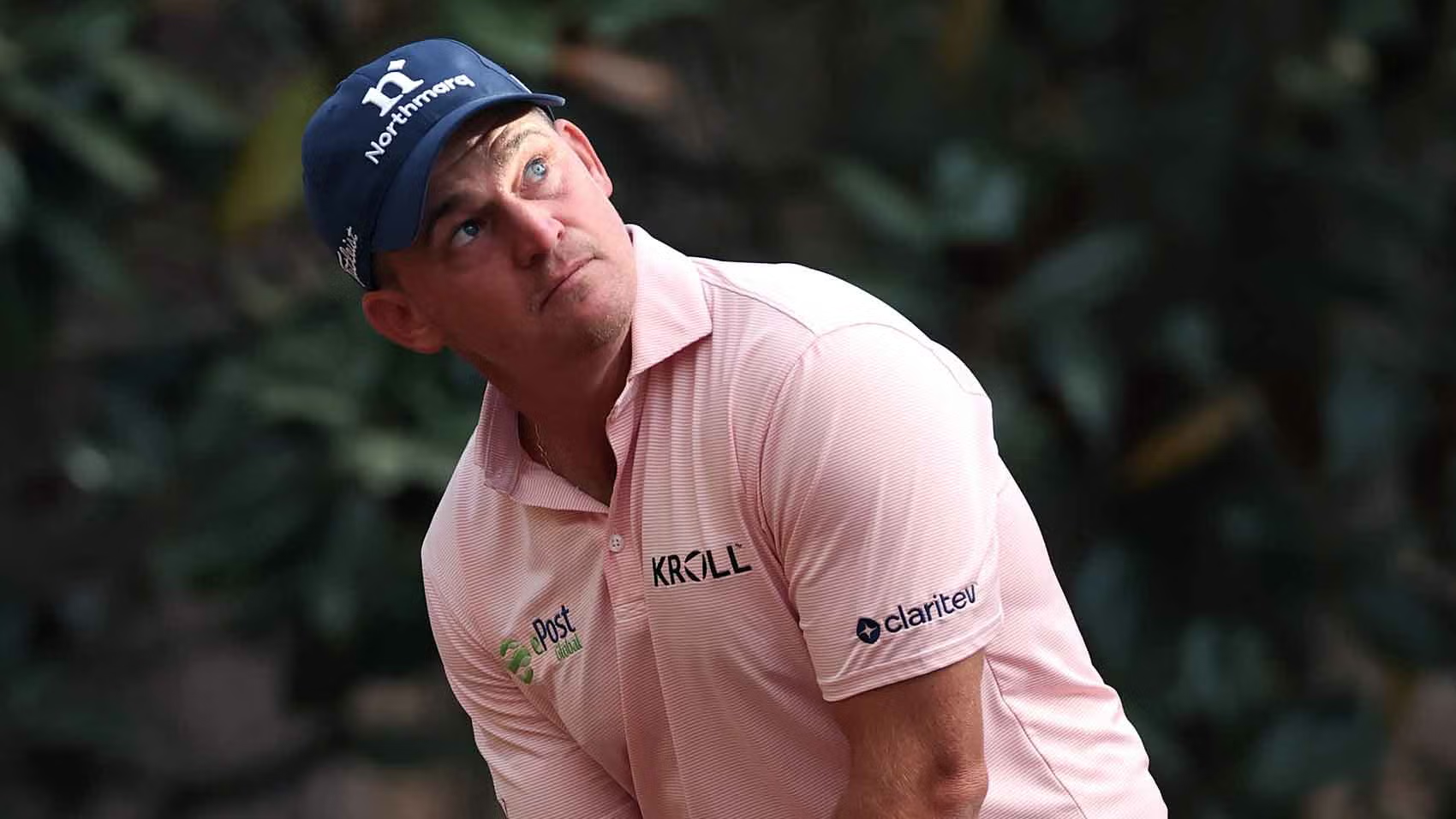
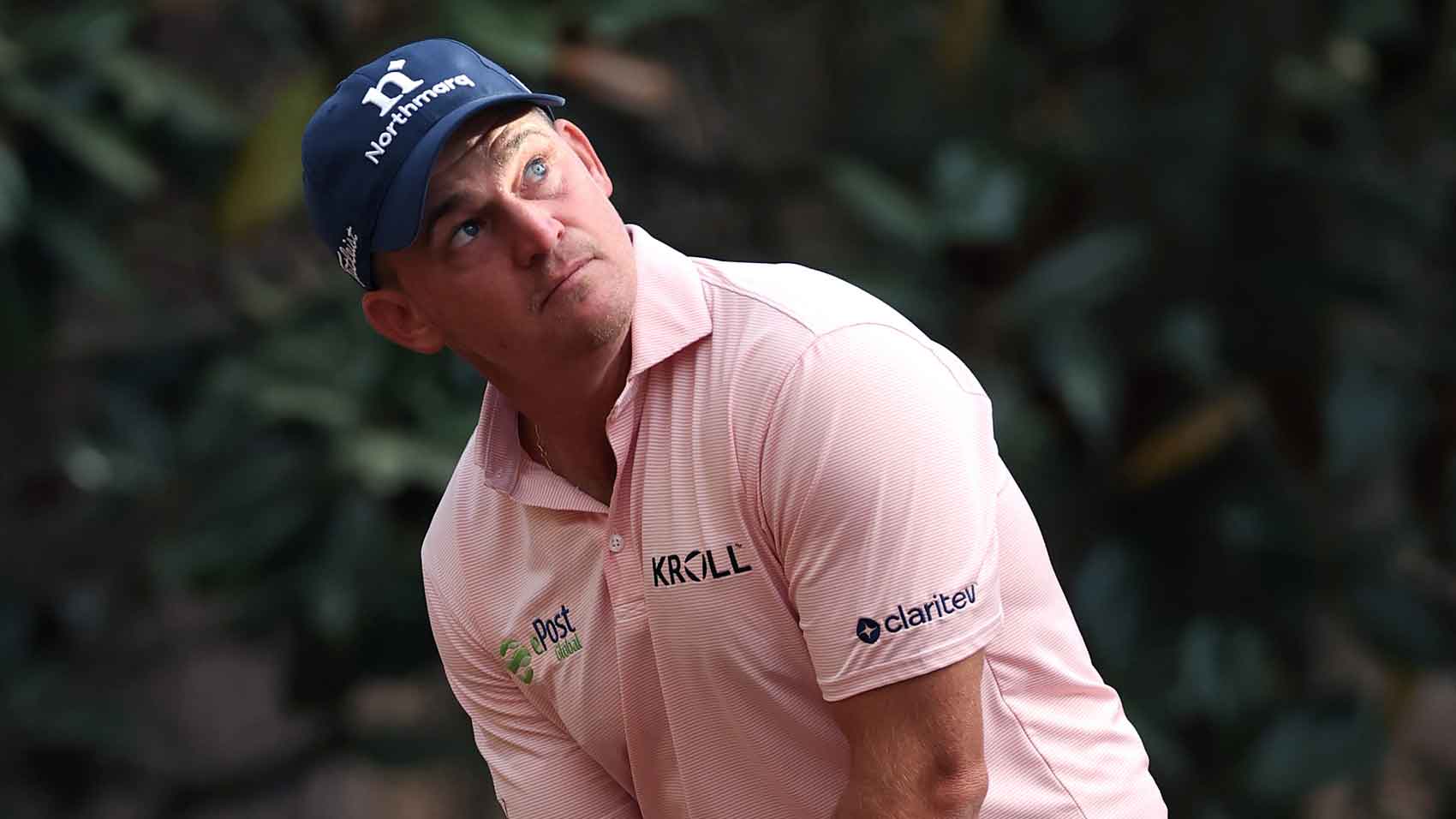
The 16th, a reachable par-5, offers a chance for glory, often setting up the drama that follows. It’s a hole where many a player has found a critical birdie, or worse, a devastating bogey. Our recent Players Championship coverage saw Bud Cauley enjoying a solid, if not spectacular, round, capped by a birdie on this very hole. What followed, however, perfectly encapsulates the Dye design philosophy.
The 17th. The Island Green. The mere mention of it sends shivers down the spines of even the most seasoned professionals. It’s a hole that lives rent-free in the minds of players from the moment they arrive. From approximately 140 yards, players are asked to navigate a swirling wind and the immense pressure of one of golf’s marquee events to hit a green surrounded entirely by water. In any other context, it would be a straightforward pitching wedge or short iron for these elite athletes. But here, the psychological burden is immense.
“Even the most casual fan knows what follows 16 on Pete Dye’s vaunted Stadium Course: the iconic par-3 17th, where players, from approximately 140 yards, are asked to hit to a green surrounded by water.”
The recent Players Championship offered a perfect illustration of how external factors can amplify the existing architectural challenge. Bud Cauley, having just birdied 16, was moments away from stepping onto that infamous tee. But then, a horn sounded, suspending play due to a storm. This brief delay, ironically, only heightened the drama for Cauley, who had an additional 21 minutes to contemplate the shot.
“The first thing I thought of was, is the wind going to switch? Because that happens a lot when a storm blows through,” Cauley said after the round. “We kind of had it down off the left before the delay, which wasn’t that bad.”
And switch it did. Dye’s brilliance on 17 isn’t just the island green itself, but its exposure to the elements. What might be a benign shot one moment can become a nightmare the next, especially with a shifting wind. Cauley faced this exact predicament, with the wind changing dramatically, making the shot play nearly 30 yards longer. This forces players to make quick decisions under immense pressure, precisely what Dye intended.
“From down off the left to pumping straight in,” Cauley said of the wind direction. “Probably close to 30 yards.”
He ultimately hit an 8-iron, landing just short, but thankfully on land. That’s the psychological win on 17: simply finding the green, or even the surrounding rough. Pars here feel like birdies, and Cauley’s par, followed by another on the difficult 18th, allowed him to finish his round strongly, demonstrating the resilience this course demands.
Playing TPC Sawgrass: A Golfer’s Pilgrimage
For those of us who appreciate golf design, TPC Sawgrass is more than just a tournament venue; it’s a living museum of Pete Dye’s genius. Located in Ponte Vedra Beach, Florida, it’s semi-private and definitely accessible to the public, though it comes with a premium green fee. But for the experience, it’s worth every penny. You can sense the history, the drama, and the sheer audacity of its design. The greens, while not overly complex in their contours, are often small and well-protected, demanding precise approach shots. The fairways are generally wide enough to be forgiving, but Dye’s strategic bunkering and water hazards are ever-present, lurking at every turn to punish a wayward shot.
Before you go, understand that this is a stern test. It’s not a resort course where you can simply bash driver and hope for the best. Precision, strategic thinking, and a calm demeanor are your best allies. Take a caddie if you can; their local knowledge, especially on how the wind affects those exposed holes, is invaluable. And when you finally stand on that 17th tee, take a moment. Breathe it in. This is a moment many golfers only dream of, a chance to face one of the most famous holes in all of golf. Regardless of your score, it will be an unforgettable experience, a testament to Pete Dye’s enduring legacy as an architect who was never afraid to push the boundaries and create something truly special.
