

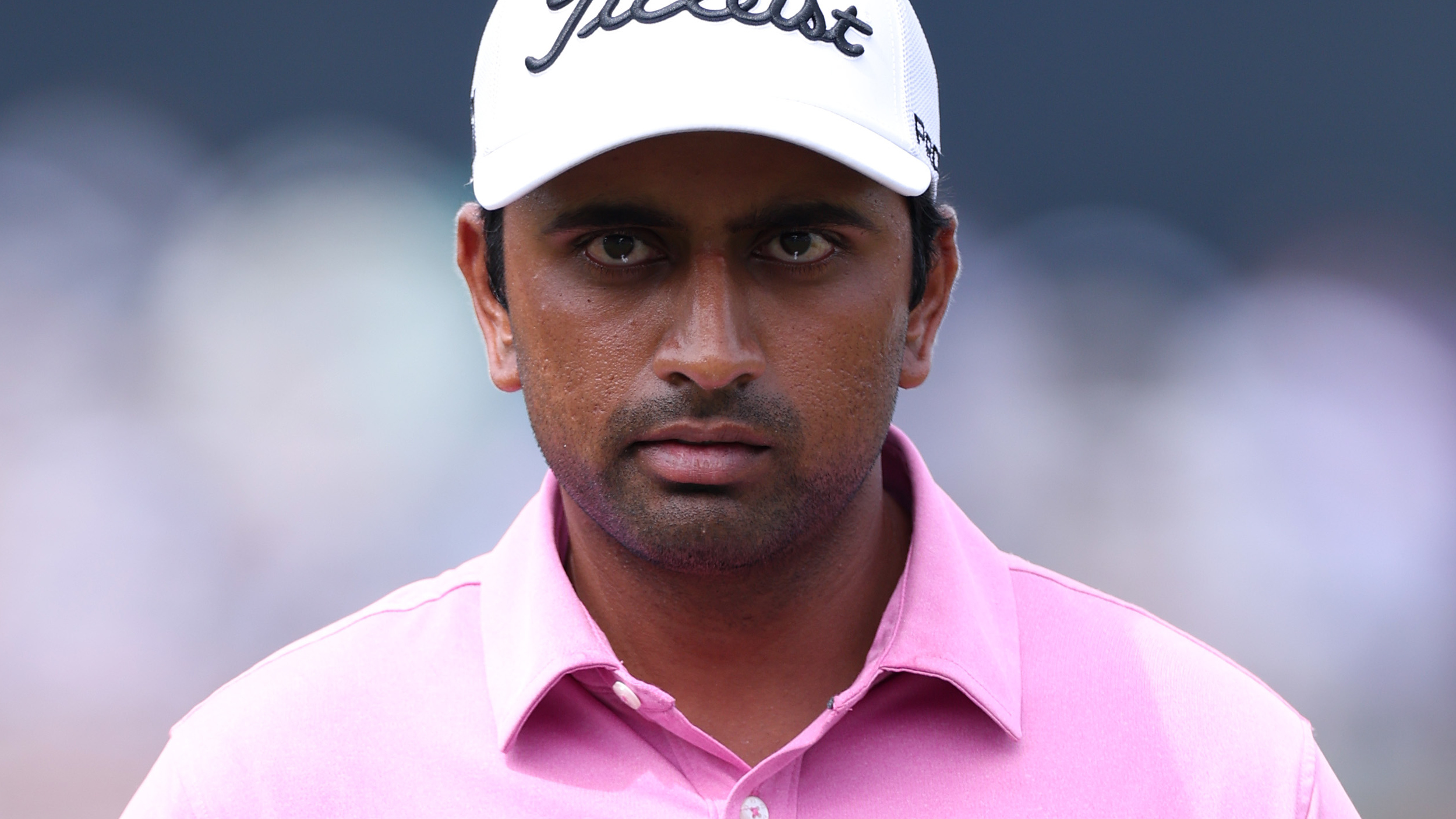

Sudarshan Yellamaraju’s Players Championship Breakout Is the Kind of Story Professional Golf Needs Right Now
I’ve been covering this tour for 35 years—long enough to know when something genuinely different is happening. Last weekend at TPC Sawgrass, a 24-year-old Canadian golfer named Sudarshan Yellamaraju didn’t just have a good week. He fundamentally changed the trajectory of his career in 72 holes, and in doing so, reminded me why I still love this game.
Here’s what strikes me most about Yellamaraju’s tie for fifth place and nine-under finish: it wasn’t just a nice payday, though $925,000 certainly qualifies as that. It was a complete reset. The kid earned more money in one weekend than he had in his entire professional career—$826,881 total before Saturday and Sunday combined. Let that sink in for a moment.
The Numbers Tell a Compelling Story
I’ve caddied for Tom Lehman back in the ’90s, and I remember the lean years. The grinding. The Monday qualifiers. The sense that one solid week could change everything. That’s exactly what happened here:
- Korn Ferry Tour earnings: $467,941 across 48 events
- PGA Tour earnings (pre-Players): $358,940
- One weekend at TPC: $925,000
- FedEx Cup points earned: 275
But it’s not just the money that matters—though in professional sports, it absolutely does. Those 275 FedEx Cup points aren’t just abstract numbers. They’re access. They’re breathing room. They’re the difference between “maybe I keep my card” and “I’m positioned for success on this tour.” For a player who was likely sweating his tour status, that’s the real prize.
What Makes This Different
In my three decades covering the PGA Tour, I’ve seen plenty of breakout performances. The difference with Yellamaraju is the humility mixed with genuine belief. Listen to how he frames what happened:
“I never thought I was going to have a chance to win, to be honest. I would have to do something miraculous, and I almost did.”
That’s not false modesty. That’s a kid who understood he was playing one of the most difficult courses on the planet against the best players in the world, yet still found a way to execute under pressure. There’s a wisdom in that self-awareness that suggests he won’t squander this opportunity.
What impressed me even more was his post-round commentary about process over outcome:
“I just wanted to play one shot at a time and play the best golf I could because this course is so tough and you’ve got to stay patient and just keep grinding.”
This is textbook tour mentality. You can’t control whether the ball goes in the hole. You can control your preparation, your focus, and your ability to move on to the next shot. Players who understand this early in their careers tend to have longer, more consistent careers. Yellamaraju clearly gets it.
The Confidence Multiplier Effect
Here’s something outsiders often miss about professional golf: results-based confidence is currency. It’s not arrogance or delusion—it’s the empirical knowledge that you’ve done something difficult before. As Yellamaraju put it:
“I know I can compete and contend, and I have a lot of belief in myself, but that results-based confidence is something you can’t match. Once you do something, you know you can do that or better.”
This matters profoundly. In my experience, the players who break through on tour are often the ones who do it early and dramatically enough to establish real confidence. A tied-fifth finish at The Players Championship—one of the tour’s marquee events—is exactly that kind of statement.
He’ll carry that into his next event. And the one after that. Suddenly, TPC Sawgrass isn’t a pipe dream anymore—it’s proof of concept.
What It Means for the Tour
I should mention the broader context here. Professional golf has been talking a lot about parity, accessibility, and whether the sport can generate compelling new narratives. Well, here’s one: a young Canadian player who earned his shot, grinded through the Korn Ferry Tour, kept his head down, and then turned a single week into a career inflection point.
The prize purse structure at The Players Championship—$25 million total, with $4.5 million to the winner and $2.75 million to second place—is part of what makes this possible. The third-place finish was worth substantial money even when split three ways. This isn’t a complaint about prize money distribution; it’s an observation that the tour has built events that can genuinely impact a player’s life trajectory in real time.
For Yellamaraju specifically, that tie for fifth means he’s no longer playing for his tour card. He’s playing to establish himself as a regular contender. That’s a fundamentally different headspace, and it often unlocks better golf.
Looking Forward
Will Yellamaraju become a tour staple? Too early to say. But I’ll tell you this: I’ve watched a lot of golfers come through professional ranks, and the ones who combine genuine skill with intellectual humility and process-oriented thinking tend to stick around and thrive. Yellamaraju appears to have all three.
His comment about being tired and hungry and then immediately pivoting to wanting to “play one shot at a time” suggests a maturity that’ll serve him well. So will that $925,000. So will those 275 FedEx Cup points.
Sometimes in covering this tour, you see a moment that reminds you why the game matters. Not just for the fans, but for players like Sudarshan Yellamaraju, for whom one perfect week can change everything. That’s the beautiful thing about professional golf. It’s still possible.
