

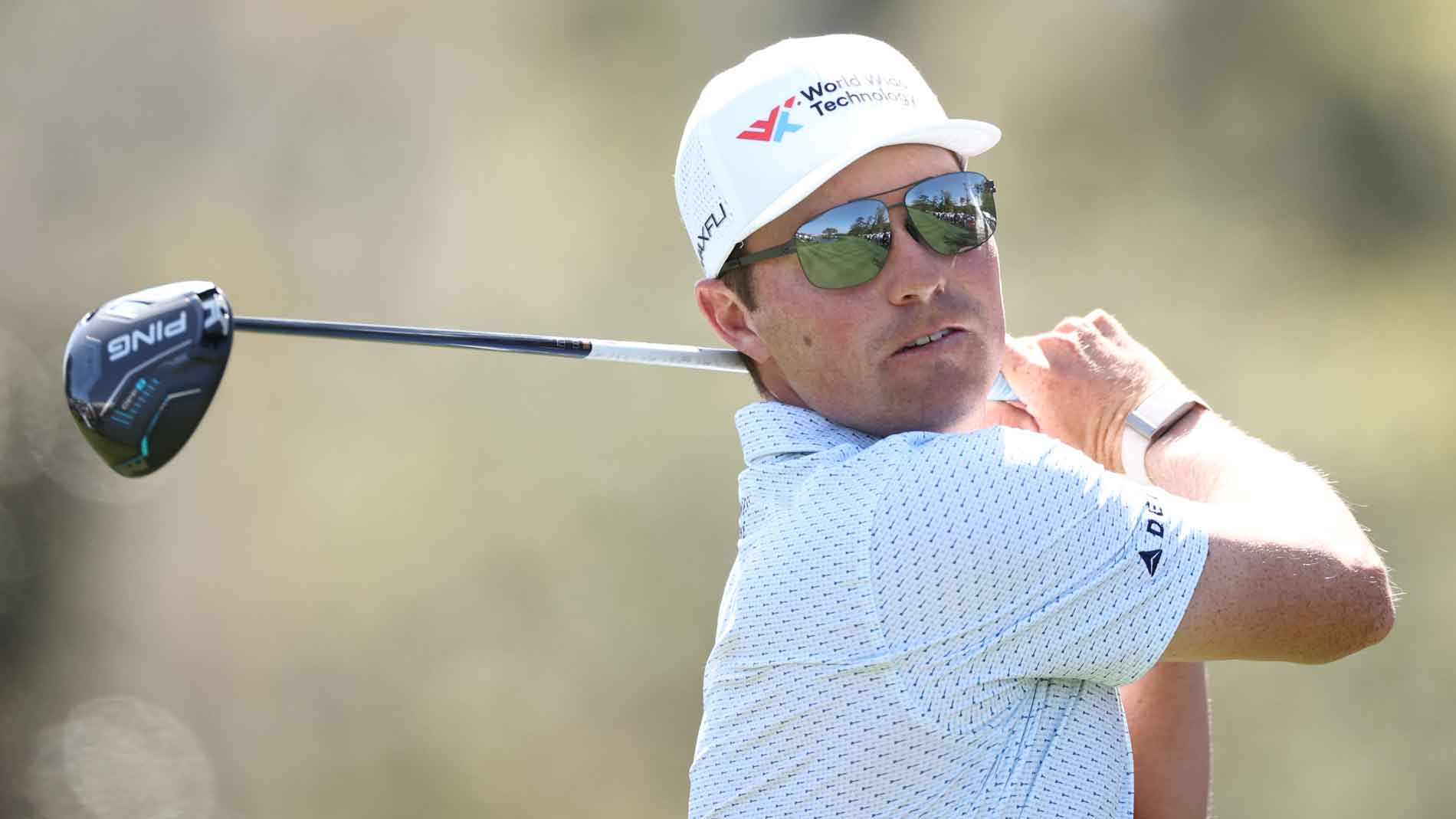

The Great Equipment Shuffle: Why Tour Pros Still Can’t Find the Perfect Driver
I’ve been watching professional golfers hit golf balls for 35 years, and I can tell you with absolute certainty that we’re living through one of the most competitive equipment eras I’ve ever witnessed on the PGA Tour. Not competitive in terms of which brand is winning — competitive in the sense that the technological gap between a flagship 2026 driver and a 2024 model has become so razor-thin that even the best players in the world can’t make up their minds.
That’s not a knock on equipment manufacturers. It’s actually a compliment wrapped in a reality check.
When the Elites Stay Put
Here’s what caught my attention in this week’s testing report: seven of the world’s top-25 players operate as equipment free agents, meaning they’re not locked into brand loyalty by contract. You’d think these guys — with unlimited resources and access to every prototype on the planet — would be chasing the newest, shiniest driver available. Instead, most of them are playing clubs that either aren’t available at retail anymore or represent last year’s technology.
Consider the names: Justin Rose, Sepp Straka, and Maverick McNealy are all gaming drivers from 2024. Chris Gotterup, Matt Fitzpatrick, and Patrick Reed are using retail models that have been on shelves for a while. Only Ben Griffin is swinging something from the current model year.
Why? Because they’ve already found what works through thousands of competitive repetitions, and the marginal gains available in newer equipment don’t justify the risk of relearning a new tool in high-stakes competition. In my time caddying for Tom Lehman, I watched this phenomenon up close. Tom would cling to a favorite 6-iron like it was his firstborn child, even when newer versions promised an extra 3 yards. The math on paper doesn’t always match the math on the scorecard.
The Free Agent Grind
Now flip down the rankings, and you see something entirely different. Wyndham Clark, in his first year as a free agent, has already cycled through at least four different drivers. Lucas Glover has done the same. Harry Hall is another revolving door of equipment experimentation. These players are in a more precarious position — without guaranteed gear deals, they need to hustle harder, test more, and prove they can deliver results with whatever is available to them.
What strikes me most is that three of these journeymen free agents have all landed on the same solution: TaylorMade’s Qi4D driver. Wyndham Clark just made his third consecutive start with it after trying four other options earlier in the season. That’s not coincidence. That’s market data in real time.
“Heads are a close battle this year. It’s very competitive in terms of club speed, dispersion, center-face contact, start direction. There’s not one clear-cut winner from what we’ve seen.”
Those words from Fujikura Tour rep Marshall Thompson told me everything I needed to know. The playing field has leveled dramatically. When I started covering this tour in 1989, you could sometimes spot a clear performance gap between equipment generations. Now? The differences are measured in millimeters of dispersion and hundredths of a second in ball speed.
The Question That Matters
Thompson added something else that resonated with me after three and a half decades on the beat:
“Even on the Tour side of it, these non-contract guys that I continue to work with on a weekly basis, they still have four or five headcovers in the bag and they’re still trying different options, and we’re already to the Florida Swing.”
We’re already in February, heading toward the sport’s most important spring schedule, and legitimate PGA Tour professionals are still carrying backup drivers like they’re shopping for wedding dresses. That tells you something important about modern equipment development: it’s so finely tuned that personal preference and psychological confidence have become primary performance factors.
What This Means for the Rest of Us
Here’s what I think matters for consumers watching this: don’t believe the marketing narrative that says the newest driver is always the best driver. The evidence from Tour-level players suggests that 2024 technology is performing at parity with 2026 releases. If you own a driver from last year or two years ago that you hit well, you’re not leaving significant performance on the table by waiting to upgrade.
That said, there’s genuine innovation happening in other areas of the bag. The Titleist GT1 hybrid that Cameron Young recently added has already proven effective, and the emerging putter prototypes hitting retail — particularly the L.A.B. Link 2.1 and 2.2 models — represent more clear-cut improvements than what we’re seeing in driver technology.
In my experience, the equipment revolution on Tour isn’t about finding something dramatically better anymore. It’s about the ongoing quest for incremental optimization in an environment where margins of error have compressed so severely that a golfer’s club choice matters less than their ability to execute under pressure.
After 15 Masters tournaments covered from the ropes, I can tell you this much: come April, the player with the best short game and mental fortitude will win, not the player with the newest driver. The great equipment shuffle we’re witnessing right now is ultimately just noise masking what’s always been true — golf is a game played between the ears.
