

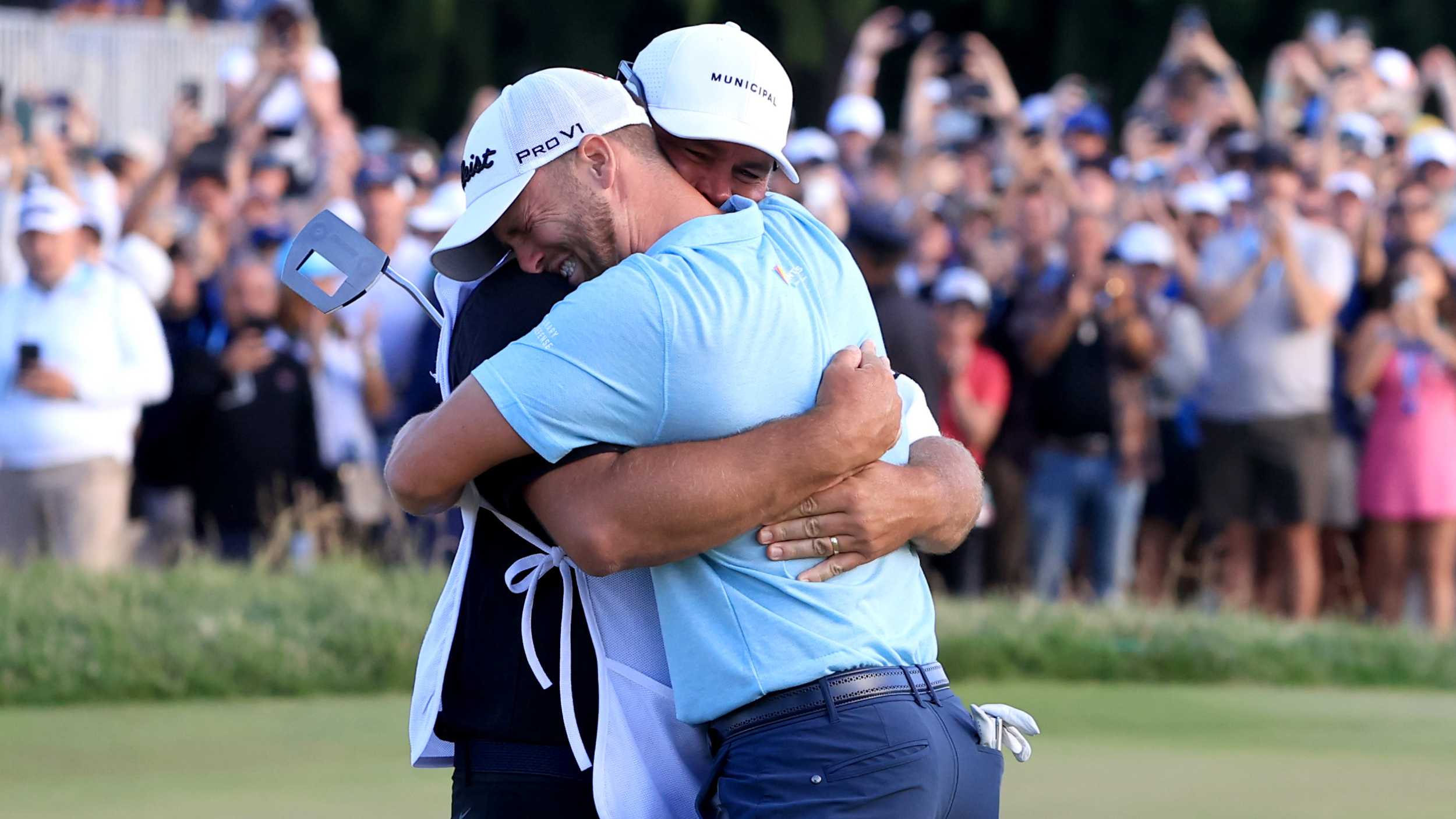

When a Decade-Long Partnership Ends: What Clark and Ellis’s Split Really Tells Us About Tour Life
I’ve been around professional golf long enough to know that caddie-player relationships are unlike any other partnership in sports. You spend more waking hours with your caddie than your spouse during tournament weeks. You trust them with your paycheck, your reputation, and your mental health on days when nothing’s falling. So when a 10-year caddie-player team decides to part ways, it’s worth paying attention—not because there’s drama or conflict, but because it reveals something deeper about the grinding reality of life on the PGA Tour.
John Ellis and Wyndham Clark’s split, announced this week, caught a lot of people off guard. These two have history that goes back to 2016, when Ellis was an assistant coach at Oregon and began caddying for Clark during the amateur ranks. They rode together through the lean years, stuck it out through the early PGA Tour struggles, and then—crucially—they were together when things finally clicked. US Open victory over Rory McIlroy. A maiden PGA Tour win at Wells Fargo. A ascent into the world’s top three. That’s the kind of partnership you’d think lasts a career.
But here’s what Ellis said, and I think it’s worth really hearing:
“When things aren’t going great and I care more about, you know, Wyndham and I’s friendship, you know, we’re friends before business, and things just weren’t right.”
That’s maturity. That’s not a conflict or a blowup—that’s two guys recognizing that sometimes the best way to preserve something meaningful is to step back from the daily grind of trying to win tournaments together. In my 35 years covering this tour, I’ve seen plenty of caddie-player splits end in mutual silence or Twitter wars. What I’m seeing here is different.
The Form Decline That Nobody Saw Coming
Let’s be honest: Clark’s numbers over the past 18 months tell a story that needed telling. In 2023-2024, he was on a trajectory toward genuine stardom. Peak ranking of world No. 3. Two significant victories. Everything pointed to a player about to enter his prime years with multiple majors in his future.
Then something shifted.
Fast forward to 2026, and Clark’s best result is a T13 at The American Express. A T46 at The Players Championship—a tournament he should be competitive in given his pedigree. Now he’s sitting 67th in the world rankings, watching the momentum that felt inevitable just 18 months ago slip away like sand through fingers.
In my experience, that kind of form decline doesn’t happen because one person stopped doing their job. It’s not about the caddie missing a yardage or the player losing their swing. It’s usually about fatigue—mental, physical, or both. It’s about the weight of expectation crushing the very thing that made you successful in the first place. Sometimes a fresh voice isn’t about finding someone better; it’s about resetting the energy in the bag.
Why This Split Actually Matters for the Tour
Here’s what strikes me about this whole situation: the tour is crowded with partnerships held together by contractual obligation or inertia. Players and caddies grinding because that’s what they agreed to do, not because it’s working anymore. What Ellis and Clark just did—prioritizing their actual relationship over the business transaction—sends a quiet but important signal.
“There’s no… if I get on Instagram it looks like there’s a lot of hatred, but there’s no hatred for Wyndham and I. We are still friends. We texted yesterday, it’s all good.”
This is a man saying, in the social media age, that you can outgrow a working relationship without creating enemies. That’s rare. That’s good. And frankly, it’s the kind of professional maturity the tour needs more of.
Dave Pelekoudas, who’s filling in on Clark’s bag going forward, brings serious credentials—he’s caddied for Xander Schauffele and has plenty of experience reading major championship venues. This isn’t a panic hire or a stopgap. It’s a calculated decision to introduce a different perspective and approach.
The Path Forward for Clark
Here’s where I’m cautiously optimistic. Clark is still only in his early 30s—he’s not at the age where careers fade. Yes, the form has dipped. Yes, the world ranking has tumbled. But he’s won a US Open. He’s proven he belongs with the best players in the world. A fresh voice, a reset with a new caddie, and maybe some distance from a partnership that had run its emotional course—this could be exactly what he needs.
The alternative narrative—that partnerships should be fought for, grinding through tough patches—has merit. But sometimes the bravest thing you can do is recognize when a chapter needs to close so a better one can begin.
Ellis and Clark texted yesterday. They’re still friends. That’s the ending worth paying attention to.
