

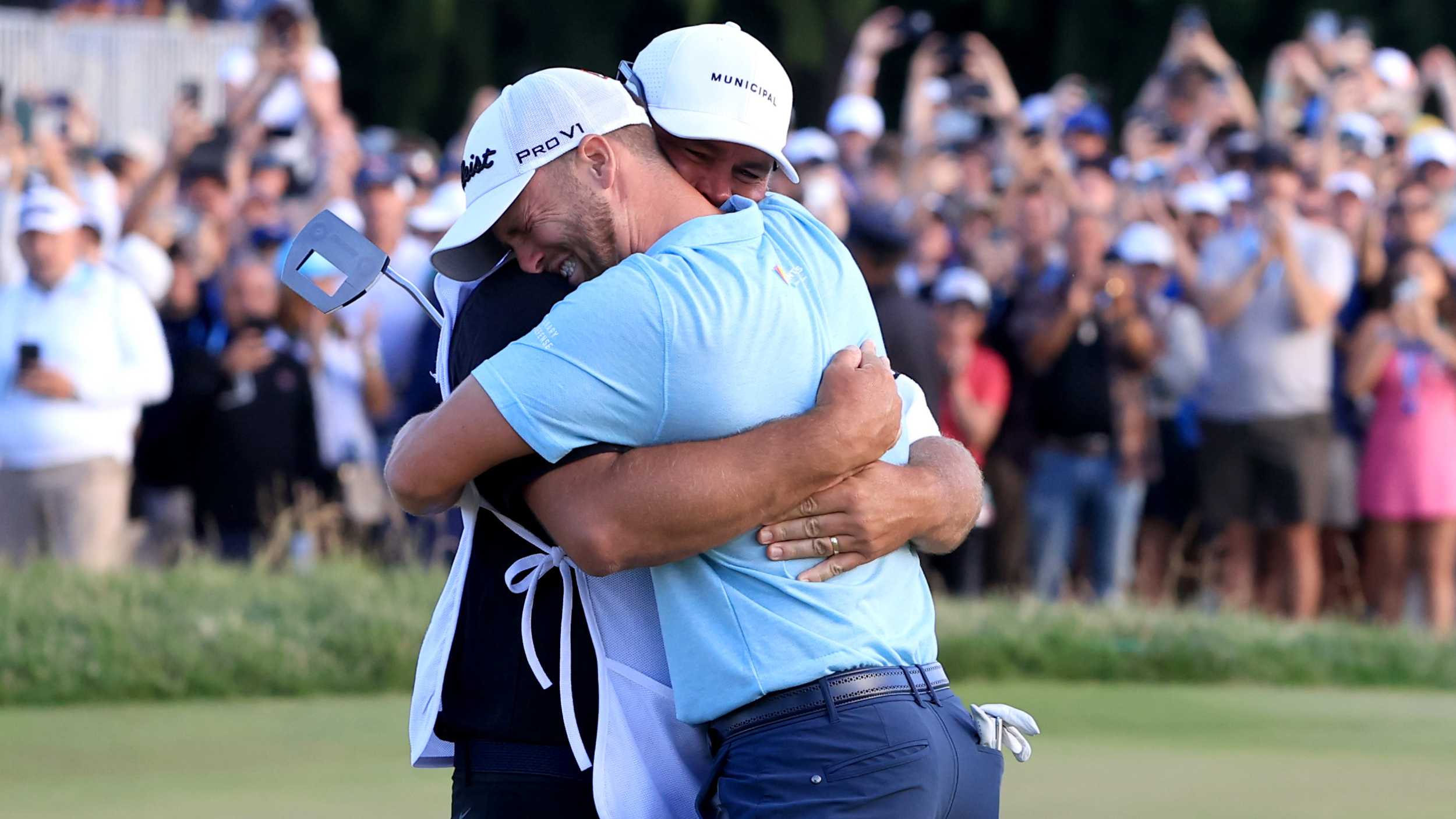

The Clark-Ellis Split: When Friendship Trumps Success, and What It Tells Us About Tour Life
There’s a moment every caddie and player face, usually around 2 a.m. in some hotel room after a missed cut, where you have to ask yourself: Is this still working? Last week, Wyndham Clark and John Ellis finally answered that question honestly. After a decade together—a partnership that produced a US Open victory and a brief glimpse of genuine stardom—they’ve decided to walk different paths.
On the surface, it looks like another tour breakup. Player struggling, caddie moves on, next chapter begins. But having spent 35 years around this game, having carried bags myself and watched hundreds of these relationships play out, I think there’s something more instructive happening here. This split reveals something important about the modern tour that we don’t talk about enough.
When the Peak Becomes the Problem
Let’s establish the timeline, because it matters. Clark and Ellis reached the mountaintop in 2023. That Wells Fargo Championship in May, followed by that stunning US Open victory over Rory McIlroy—that was the stuff tour dreams are made of. By the following year, Clark cracked the top three in the world rankings. Everything suggested they were just getting started.
But here’s what I’ve learned over three decades covering the tour: sometimes the highest peaks cast the longest shadows. What comes after matters as much as what came before.
The numbers tell a sobering story. Clark’s best finish so far in 2026 is a T13 at The American Express. The Players Championship? T46. He’s now ranked 67th in the world, a jarring fall from those top-three heights just eighteen months ago. That’s not a gradual decline—that’s a cliff.
Ellis saw it coming. You have to give him credit for recognizing it before bitterness set in.
The Wisdom in Knowing When to Stop
What struck me most about Ellis’s comments on Sirius XM’s Gravy & The Sleeze wasn’t anything negative. It was this:
“We’re friends before business and…things just weren’t right.”
That’s maturity. That’s someone who understands that the tour will chew you up if you let resentment metastasize in a bag. I’ve seen caddie-player relationships destroy both people because neither one wanted to be the first to say: this isn’t working anymore.
Ellis continued: “When things aren’t going great and I care more about, you know, Wyndham and I’s friendship, you know, we’re friends before business, and things just weren’t right. Something had to give and it felt like it was just time maybe, you know, a different voice for both of us would help.”
Listen to that phrasing. “A different voice for both of us.” That’s not failure talking—that’s perspective. Sometimes a partnership needs to end not because someone did something wrong, but because the dynamic has calcified. Fresh energy, new ideas, different chemistry. These aren’t excuses; they’re legitimate tour dynamics that casual fans rarely consider.
The Instagram vs. Reality Problem
Ellis also said something that made me pause:
“There’s no… if I get on Instagram it looks like there’s a lot of hatred, but there’s no hatred for Wyndham and I. We are still friends. We texted yesterday, it’s all good.”
In my experience, that’s the most important sentence in this entire story. The tour’s social media narrative—every split becomes a soap opera, every change becomes a betrayal—bears almost no resemblance to how these relationships actually function at ground level.
Ellis and Clark haven’t fallen out. They’re not enemies. They’re two professionals who built something meaningful together, achieved something remarkable, and then realized that their working relationship was no longer serving either of them. That’s actually the best-case scenario for a split, and it’s almost never how people perceive it online.
What’s Next—For Both of Them
Dave Pelekoudas will carry Clark’s bag “for the foreseeable future,” according to reports. Pelekoudas has experience with top players—Xander Schauffele, Taylor Moore, Sam Ryder, Brian Campbell. That’s a competent hire, someone who’s been around winning without being locked into past success.
Whether Pelekoudas can help Clark rediscover that 2023 magic remains an open question. Sometimes a new caddie sparks a renaissance. Sometimes a player just needs to remember how to compete at the highest level, and a new bag person is just window dressing.
For Ellis, the opportunity to find a new player—potentially one on the rise, rather than navigating a decline—could be exactly what he needs. Not every caddie-player relationship is meant to last a lifetime. Some are brilliant precisely because they’re bounded by time.
The Bigger Picture
What I think this split really illustrates is that the modern tour is demanding in ways people don’t fully appreciate. Success creates its own pressure. When you’ve reached the top three in the world, finishing T13 feels like failure. That psychological weight affects everything—the player’s confidence, the caddie’s confidence, the chemistry between them.
Clark’s still got game. His talent didn’t evaporate. But between managing expectations, adjusting his swing, dealing with the inevitable questions about “what happened to him”—it takes a toll. Sometimes you need a reset. Sometimes you need someone in your corner who hasn’t been through that peak-and-valley cycle with you.
Ellis showed class in how he handled this. Clark gets a chance at reinvention. And maybe—just maybe—both of them come out of this stronger than they went in.
That’s the tour at its best.
