


The Florida Swing’s Cruel Irony: Why the 54-Hole Leader’s Collapse Is the Tour’s Most Dangerous Trend
I’ve been covering professional golf for 35 years, and I’ve seen plenty of wild finishes, unexpected collapses, and dramatic comebacks. But what we just witnessed during this year’s Florida Swing is something that deserves serious attention—not because it’s unprecedented, but because it reveals something troubling about the current state of competitive golf.
All four events won by Palm Beach County residents. All four won by players who weren’t leading after 54 holes. That’s not a coincidence. That’s a pattern. And it’s one that should concern anyone invested in what makes tournament golf compelling.
When Holding On Becomes Impossible
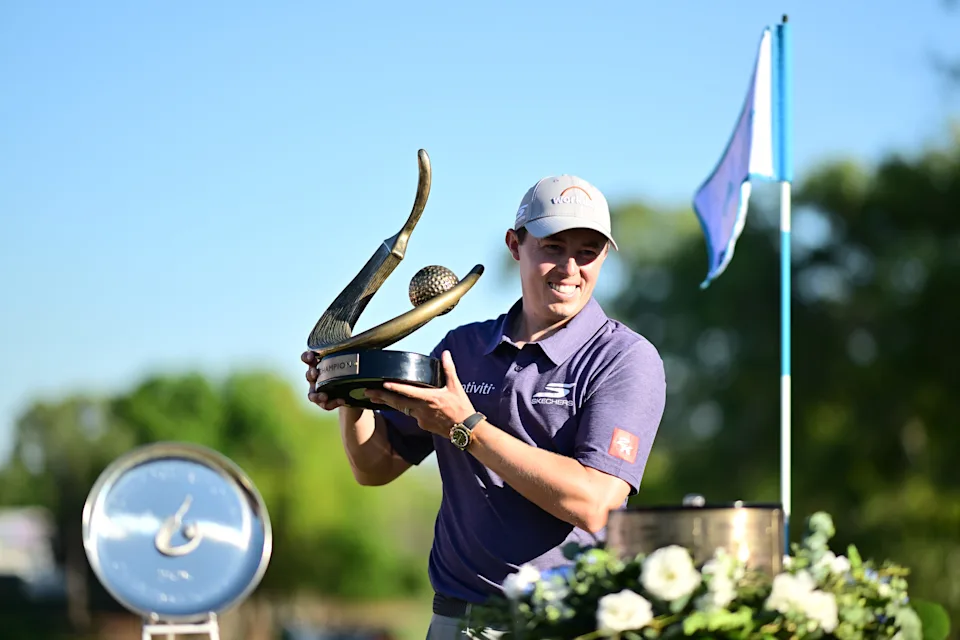
Matt Fitzpatrick’s one-shot victory at Valspar was a feel-good story—particularly after his heartbreaking finish last week at The Players. The man showed resilience, and nobody should take away from that. But what struck me most wasn’t Fitzpatrick’s clutch 14-foot birdie putt on Sunday. It was what happened to everyone who had the lead.
Think about the numbers: Sungjae Im entered Valspar’s final round with a two-shot lead and shot 74 to finish tied fourth. At The Players, Ludvig Aberg blew a three-shot lead. Daniel Berger, who was up four shots at the turn at Bay Hill, couldn’t hold on either. And Shane Lowry? The man had a three-shot lead with three holes to play at the Cognizant Classic before finding water twice and playing the stretch in 4-over.
“All four events were won by a Palm Beach County resident. All four events were lost by the 54-hole leader.”
In my three decades on the tour beat, I’ve covered enough tournaments to know that momentum is real, pressure is real, and sometimes the best player on Thursday through Saturday simply doesn’t have it on Sunday. But what we’re seeing now feels different. It feels systemic.
The Modern Mental Game: A Double-Edged Sword
Having caddied in the ’90s for Tom Lehman, I learned firsthand that the mental side of golf has always separated winners from the rest of the field. But I think what’s changed in recent years is the intensity of that pressure combined with the depth of talent. You’re not just facing one or two guys who can shoot 65 and catch you—you’re facing 15.
The 54-hole leaders in this Florida Swing weren’t playing poorly in any absolute sense. Im shot 74 at Innisbrook—that’s a solid round at a difficult course. Lowry played his first 15 holes beautifully. But playing well became insufficient because the field behind them was playing exceptionally well.
What strikes me most is that these aren’t unknown commodities chasing from five shots back. Bhatia, Young, Echavarria, Fitzpatrick—these are legitimately elite players with the skills to execute under pressure. The 54-hole leader today isn’t just protecting a lead; they’re protecting it against a field where any of five or six different guys could realistically shoot 64 or 65 and win.
The Palm Beach County Effect: Geography or Coincidence?
Now, about that palm Beach County resident angle. I’d be lying if I said I found it uninteresting, but I also think it’s partially a reflection of where professional golf’s talent pool happens to live these days. Florida remains a hub for serious golfers, and the Palm Beach County region specifically has produced tremendous talent. But the real story isn’t geography—it’s that these four winners all had one thing in common: they refused to be intimidated by Sunday expectations.
Fitzpatrick’s comment after the win deserves attention:
“To obviously come away with a win this week is really special, considering last week’s performance as well. So just feel really good about my game coming into the week. And to continue that this week was really a great feeling.”
Notice what he didn’t do: He didn’t talk about the lead. He talked about his game, about momentum, about feeling good. That’s the mindset of a player hunting, and hunting is often easier mentally than protecting.
What This Means for the Tour
Here’s where I think this matters beyond just interesting statistical happenstance. Tournament golf thrives on narrative tension. If leading after 54 holes becomes almost a liability—if the 54-hole leader becomes the favorite to finish second—that changes how fans and media approach final rounds. It affects betting markets. It affects how sponsors and networks think about drama and engagement.
But I don’t want to be alarmist about this. Golf’s always been a game where any advantage is temporary. The fact that we’re seeing comebacks doesn’t mean the tour is broken—it means the talent level is genuinely high and pressures are genuine. That’s actually pretty healthy for the sport.
What concerns me slightly is whether we’re seeing a mentality shift where leading tournaments is psychologically harder than it used to be. I’d want to see more data over a longer stretch to draw firm conclusions, but the Florida Swing pattern is worth monitoring closely.
Fitzpatrick’s victory was earned, his resilience was impressive, and his third PGA Tour win adds to a resume that already includes a major championship. But his win, like the three that preceded it this Florida Swing, tells us something important about modern professional golf: the guy in front isn’t nearly as safe as he used to be.
