

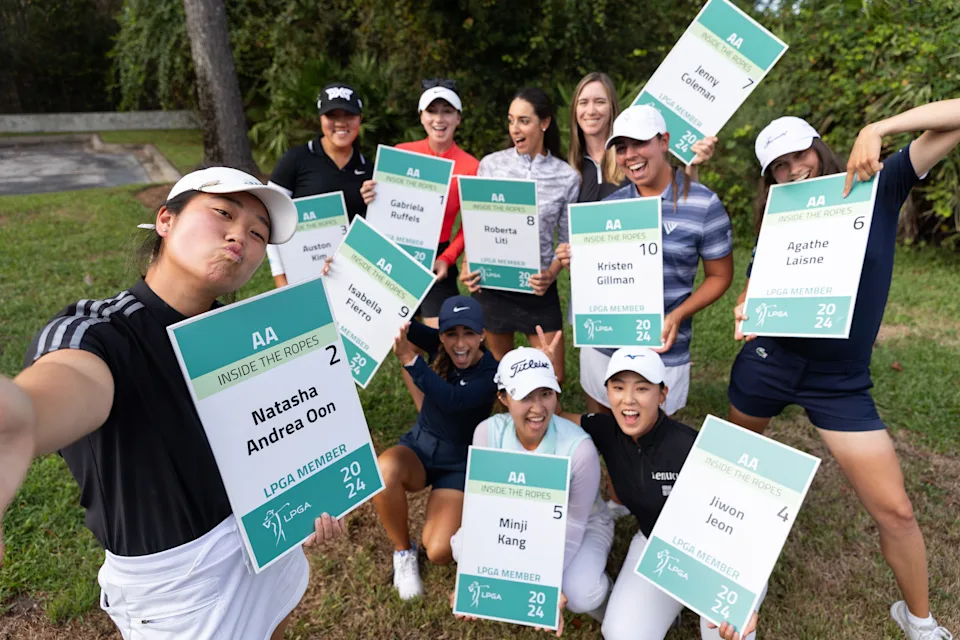

Natasha Andrea Oon and the LPGA’s Entertainment Evolution: Why This Rookie’s Return Matters Beyond the Scorecard
I’ve been covering professional golf for 35 years, and I’ve learned that the tour’s heartbeat doesn’t always match its scorecard. Sometimes the most important moments happen in the press room, not on the back nine. So when I heard about Natasha Andrea Oon’s debut week at the Fortinet Founders Cup, I recognized something I haven’t seen in a while—genuine, unfiltered enthusiasm paired with legitimate talent and a willingness to be vulnerable about the journey.
This isn’t just another LPGA rookie story. This is a window into why the women’s game is evolving in ways that benefit everyone who loves professional golf.
The Personality Factor: What the Founders Knew
Here’s what struck me most about the coverage of Oon’s week in the Bay Area: the emphasis on her personality. The article mentions she “blew into the LPGA press room like a breath of fresh air” and that she “embodied what the 13 Founders understood well – the need to entertain.”
That’s not throwaway language. That’s institutional memory. The Founders of the LPGA understood something that gets lost in modern sports discussions—that excellence and entertainment aren’t mutually exclusive. They’re complementary. In my three decades around the game, I’ve watched too many talented players treat the media and the gallery as necessary evils rather than part of the fabric of professional sport.
Oon appears to get this instinctively. When she holed out from 90 yards on the par-4 third hole during the third round and laid on the ground in celebration, that wasn’t manufactured content. That was authentic joy breaking through years of frustration.
The Comeback Narrative That Actually Means Something
Look, I’ve covered plenty of “comeback” stories. They’re part of golf’s romantic appeal. But most of them involve a six-month injury layoff and a return to glory. Oon’s situation was different—and significantly more challenging.
She earned her LPGA card after an exceptional Epson Tour season in 2023, finishing second on the money list with eight top-10 finishes in 19 starts and winning the tour’s Rookie of the Year award. Then came a sesamoid stress fracture that morphed into a plantar plate tear. Not the kind of thing you rehab in a few weeks.
“I struggled being on the green for more than 20 minutes when I was rehabbing. I was like, what do I do? How can I practice? I’m missing everything and I used to make everything. My past haunted me a lot. It was the big ‘you were so good; now you’re here.’ That was a choice I had.”
Having caddied in the ’90s, I’ve stood beside players dealing with injury comebacks. What distinguishes the ones who truly return from those who merely show up is psychological resilience. Oon’s honesty about the mental battle—watching LPGA coverage while sidelined, picking up board games and karaoke bars to fill the void, testing her foot with hikes at Yosemite—that’s the unglamorous reality most players won’t discuss publicly.
The fact that she made it back for this event, after missing two full LPGA seasons, matters precisely because it was so hard.
When the Scorecard Takes a Backseat
Here’s where I need to be balanced: Oon’s scoring wasn’t pretty. She finished toward the bottom of the pack. Round one brought a quadruple bogey on hole two. Inconsistency plagued her all week—”psycho scorecards” with only four pars in a round, featuring double bogeys, five bogeys, seven birdies, and miraculously, two hole-outs.
And yet—her reaction to making that first hole-out tells you everything about where her head is:
“I cried. If no one noticed, I cried a lot and a lot of people were like, what’s wrong? You guys did really well. I’m like, I’m crying tears of joy because it’s been a long time and just coming back and feeling all the emotions.”
In my experience, this is precisely when you know someone has the right temperament for championship golf. Not when things are going perfectly—anyone can handle that. But when you’ve been through genuine adversity and you can still find joy in the simple act of competition? That’s character.
The Mentorship Model
I’d be remiss not to mention Juli Inkster’s role here. Inkster, herself a San Jose State grad and Bay Area resident, has taken Oon under her wing along with her husband Brian. Having watched Inkster’s career closely, I know she doesn’t do things casually.
“She’s got a ton of talent, and Brian has helped her a lot both on the golf course and off the golf course. I’ve helped her also. But she’s got a special place in the Inkster heart. Lucy, our dog, loves her. I’m just looking forward to her getting her journey going. I think she’s going to build, build, build and be a great player.”
This matters because the LPGA’s greatest strength has always been community. Inkster passing the torch—or in this case, sharing it—represents continuity of excellence and values. That’s the institutional knowledge that doesn’t show up in scoring averages.
What Comes Next
Oon shot a 75 on Sunday and finished in the middle-to-lower tier of the field. Nobody’s getting ahead of themselves. But she made the cut in her comeback event. She played well enough to get a weekend tee time. She made SportCenter’s Top 10.
More importantly, she reminded us why we watch professional golf: for moments of authentic human drama, for the intersection of athletic excellence and genuine personality, for the stories of people who refuse to let setbacks define their futures.
In 35 years covering this tour, I’ve learned that the best barometers of future success aren’t always the scoreboards. Sometimes they’re the press rooms. And right now, Natasha Andrea Oon is making noise in all the right ways.
