


As a golf course and travel writer, I’ve had the privilege of walking some of the world’s most revered fairways, from the windswept links of the Old World to the meticulously crafted landscapes of modern masters. What truly captivates me, beyond the perfectly manicured turf or the distant ocean vista, is the mind behind the canvas – the architect’s philosophy etched into every bunker, every green contour, every strategic decision. It’s about understanding *why* a hole plays the way it does, *how* it challenges the golfer, and the subtle narratives woven into the landscape.
Today, however, we’re detouring slightly from the rolling dunes and strategic bunkering to consider another vital aspect of our game: the tools we wield. Because even the most brilliantly designed par-5 can feel like a brute when your second shot leaves you wanting. And while I could wax poetic about a particularly clever short par-4, the reality is that those long approach shots often decide our scores. This season, club manufacturers have truly outdone themselves, applying a depth of engineering that rivals the thoughtful landforms I so admire. They’re crafting hybrids and fairway woods with a clear purpose: to make those daunting long shots feel a little less so.
The Art of the Long Ball (and how to get there)
My years of traversing golf courses have shown me that a well-struck long iron or a soaring fairway wood is one of the game’s great joys. It’s the shot that opens up a green, turns a potential bogey into a par, or even sets up an eagle opportunity. The architects create the challenge, but our equipment helps us meet it. The dedication to improving these longer clubs is evident, focusing on traits we all crave on the course.
“many of the design goals are similar—increasing moment of inertia (MOI), optimizing launch, maximizing distance and feel—there are meaningful design and performance differences between the various offerings for this year.”
This insight is crucial. Just as Alister MacKenzie might use a natural ridge to suggest a line of play, club designers are leveraging advanced materials and computational power to guide our ball flight. Let’s delve into some of the standout offerings for 2026, clubs that promise to transform those challenging long approaches into confident swings.
Hybrids: The Swiss Army Knife of the Bag
Hybrids, in my estimation, are one of the most significant innovations in golf equipment of the last few decades. They bridge the gap between hard-to-hit long irons and bulky fairway woods, offering a blend of forgiveness, versatility, and launch that’s indispensable on many courses. Think of a classic Pete Dye stadium course, with its long forced carries over water – a reliable hybrid can be your best friend. The variety in head shapes alone is a testament to the personalized approach manufacturers are now taking:
“One of the first things to determine when you’re looking at new hybrids is what your preferred head shape is. Do you play your hybrids more like an iron, with a descending blow that generally takes a divot? Or are you more of a “picker” or “sweeper”?”
This consideration is vital. My own swing, developed over two hundred courses, leans towards a shallower attack, making a more forgiving, wider-profile hybrid appealing. Others, accustomed to crisp iron play, might prefer a more compact look. The manufacturers acknowledge this diversity beautifully.
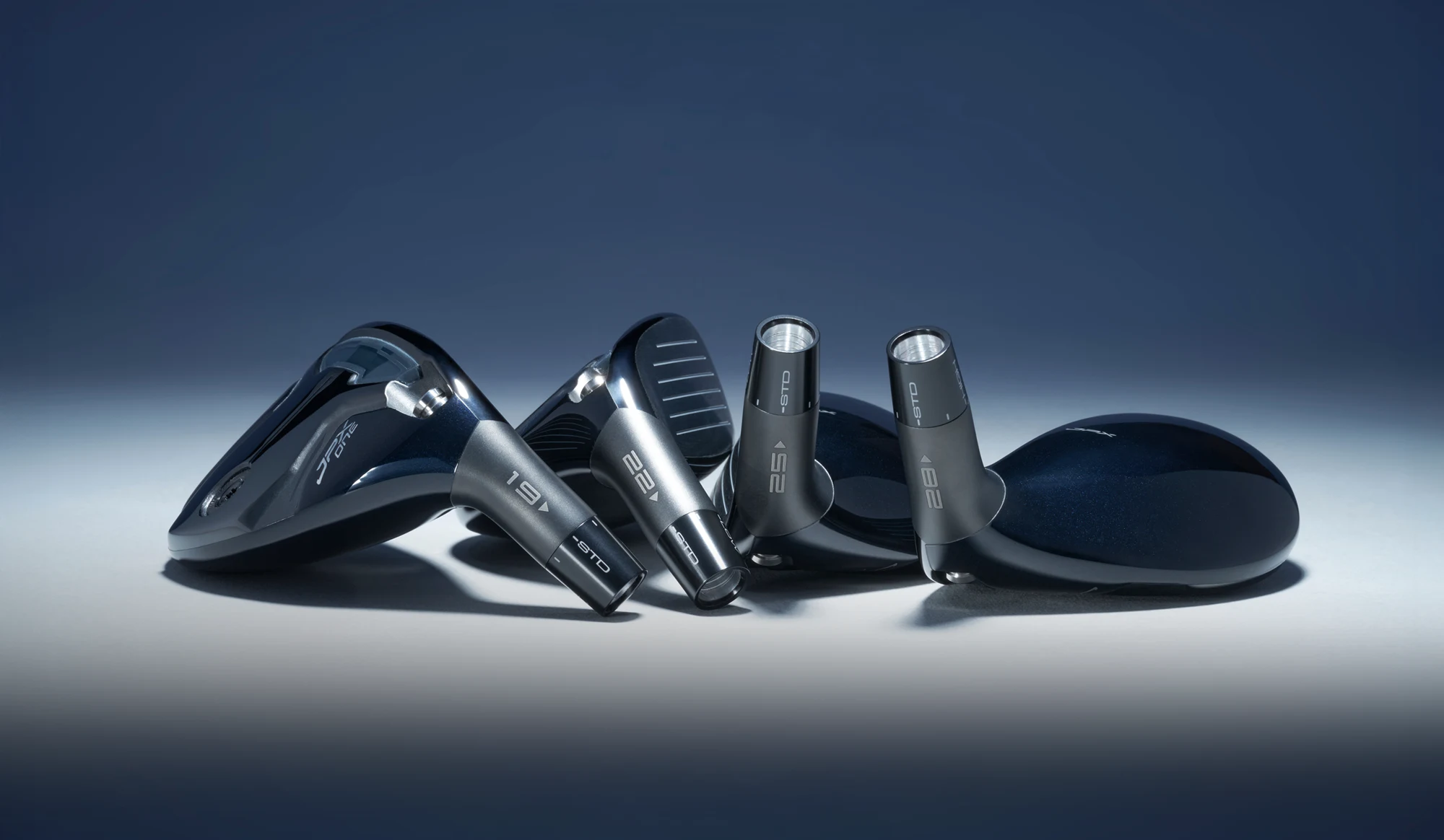
Mizuno JPX ONE Hybrid
Mizuno has always been synonymous with feel, and their JPX ONE hybrid seems to carry that torch while embracing modern speed-enhancing technologies. The uniform 1.8mm MAS1C maraging steel face and enhanced CORTECH Chamber sound like a recipe for maintaining ball speed even when you don’t catch it perfectly. On a windy links course, where consistent trajectory is everything, that kind of forgiveness is invaluable. And the Speed Bevel sole? That’s the unsung hero, ensuring smooth turf interaction whether you’re coming out of light rough or off a tight fairway lie – crucial elements that can make or break a shot on a demanding track.

PING G440
PING’s commitment to dialing in performance for every player is evident in the G440 hybrids. The varied biases across the line – fade for the 2H, draw for the 6H and 7H – remind me of how architects might subtly contour a landing area to favor a particular shot shape. This allows a golfer to match their club to their natural tendency or to deliberately shape shots as needed. The thinner face and lower height promise easier launch, which on a course with elevated greens or forced carries, means the difference between success and frustration. Their Carbonfly Wrap crown is a classic example of mass redistribution, a design philosophy that optimizes weight for the greatest benefit.

TaylorMade Qi4D Rescue
TaylorMade’s Qi4D Rescue hybrid showcases a multi-material approach, a common theme in modern club design aimed at optimal weight placement. The carbon-fiber crown, often seen in drivers, makes its way here to promote a lower center of gravity. This translates to higher launch and a steeper descent angle, a holy grail for hitting and holding greens from distance. Their Twist Face technology, which I’ve seen in their drivers, is a game-changer for those inevitable mishits, subtly correcting trajectory to keep the ball in play. And the adjustable weights? That’s the design philosophy of personalization brought to the fore, allowing a fitter to truly dial in the club for your swing.

Fairway Woods: Power and Precision from the Deck
Fairway woods have always held a special place in my bag, especially when playing sprawling courses that demand precision on second shots into long par-5s, or when finding a narrow fairway with a 3-wood off the tee is the smart play. The architectural principles of risk and reward often come into play with these clubs. Do you go for it in two, risking a wayward shot, or lay up safely? The modern fairway wood aims to reduce that risk without sacrificing the reward.
Srixon ZXi
Srixon’s ZXi fairway woods are described as having a “classic-looking” aesthetic, which immediately appeals to my appreciation for timeless design. But beneath that exterior lies a host of innovative features. The i-FLEX face and Rebound Frame technology are designed to maximize energy transfer across the face, a crucial element for those who don’t always catch the ball perfectly. On a championship course, where the rough can swallow a slightly off-center strike, this kind of forgiveness is a godsend. The adjustable hosel is another nod to personalization, ensuring the club can be finely tuned to complement a player’s swing and the demands of a given course.

TaylorMade Qi4D Tour Fairway
Once again, TaylorMade brings a full suite of technological advancements to their fairway wood line. The Trajectory Adjustment System with its movable weight and the 4-degree adjustable loft sleeve speak volumes about control. This level of customization allows a player to match the club’s performance to specific course conditions or even different phases of their swing. I’ve often seen players struggling with a consistent shot shape, and tools like these can help mitigate those tendencies, promoting tighter dispersion. The Speed Pocket and Twist Face are familiar friends, working in concert to keep those crucial shots on track.

Wilson DYNAPWR Carbon
Wilson’s DYNAPWR Carbon fairway wood, with its “Tour-inspired design” and “sleek, low-spin package,” immediately piques my interest as a connoisseur of classic-looking clubs. The integration of AI for face optimization (PKR-360) is a fascinating example of how modern technology informs even traditional aesthetics. The 30-gram tungsten sole weight at the front, designed to reduce spin and promote a penetrating trajectory, is a thoughtful engineering choice for golfers who generate ample club speed and seek a more controlled flight. Combined with the six-way adjustable hosel, this club offers a blend of classic visual appeal and cutting-edge customization, making it a compelling option for those who appreciate both form and function on the golf course.

Ultimately, whether you’re battling the ferocious winds of a coastal course or navigating the tight, tree-lined fairways of an inland gem, having confidence in your longer clubs is paramount. These new hybrids and fairway woods for 2026 are not just iterative improvements; they represent a concerted effort by manufacturers to enhance playability and performance across the board. They offer the kind of refined control and power that can truly change how you approach those challenging long holes, transforming hesitant swings into decisive, confident strikes. Just as a brilliant golf architect understands how to make a landscape sing, these club designers understand how to make a golf club perform at its peak, allowing us all to better enjoy the beautiful game.
