


Akshay Bhatia’s Indian Gamble: A Masters Contender Testing Mental Mettle Before Augusta
I’ve watched a lot of golfers make unconventional choices three weeks before The Masters, and let me tell you—most of them don’t end well. But Akshay Bhatia’s decision to play the Hero Indian Open instead of grinding through another Texas warm-up event? That one’s different. And his opening round at DLF Golf & Country Club, messy as it was, might tell us more about his major championship prospects than a clean 67 ever could.
Here’s what struck me watching this unfold: A kid shooting 77 after an 8-over front nine who still manages a 3-under back nine isn’t just having a bad day. He’s showing the exact kind of intestinal fortitude you need at Augusta National. In my 35 years covering this tour—and that includes caddying for Tom Lehman back when mental toughness actually meant something—I’ve learned that how a player responds to self-inflicted disaster matters more than the disaster itself.
The Unforced Error Cascade
Let’s be honest: Bhatia’s front nine was a masterclass in how not to play golf. Out of bounds on the opening hole (the 10th, since he started on the back nine). A wrong ball penalty—not just a two-shot penalty, but a humiliation. A triple bogey at the 15th. By the turn, he was eight over par on a course that was clearly playing brutally. Most players at that point are already mentally checking out, thinking about flight times and whether they packed enough protein powder for the trip home.
“Tough day, hit the wrong ball, which was very unfortunate. Just did not play good on the first nine but shot three under on my back side was great.”
But Bhatia didn’t pack it in. He came back with a flawless 33 on the front nine (the actual front nine of the course) to salvage a 77. That’s not just grit—that’s the kind of bounce-back resilience that wins majors. I’ve seen it before in players who end up in Green Jackets.
The Unconventional Pre-Masters Prep
Now, about this whole India detour. When I first heard Bhatia was skipping the Texas circuit to play in his family’s homeland, I had the same reaction as plenty of observers—that’s risky, maybe even foolish, with The Masters two weeks away. But here’s what I think people are missing: Bhatia’s got legitimacy to take that risk.
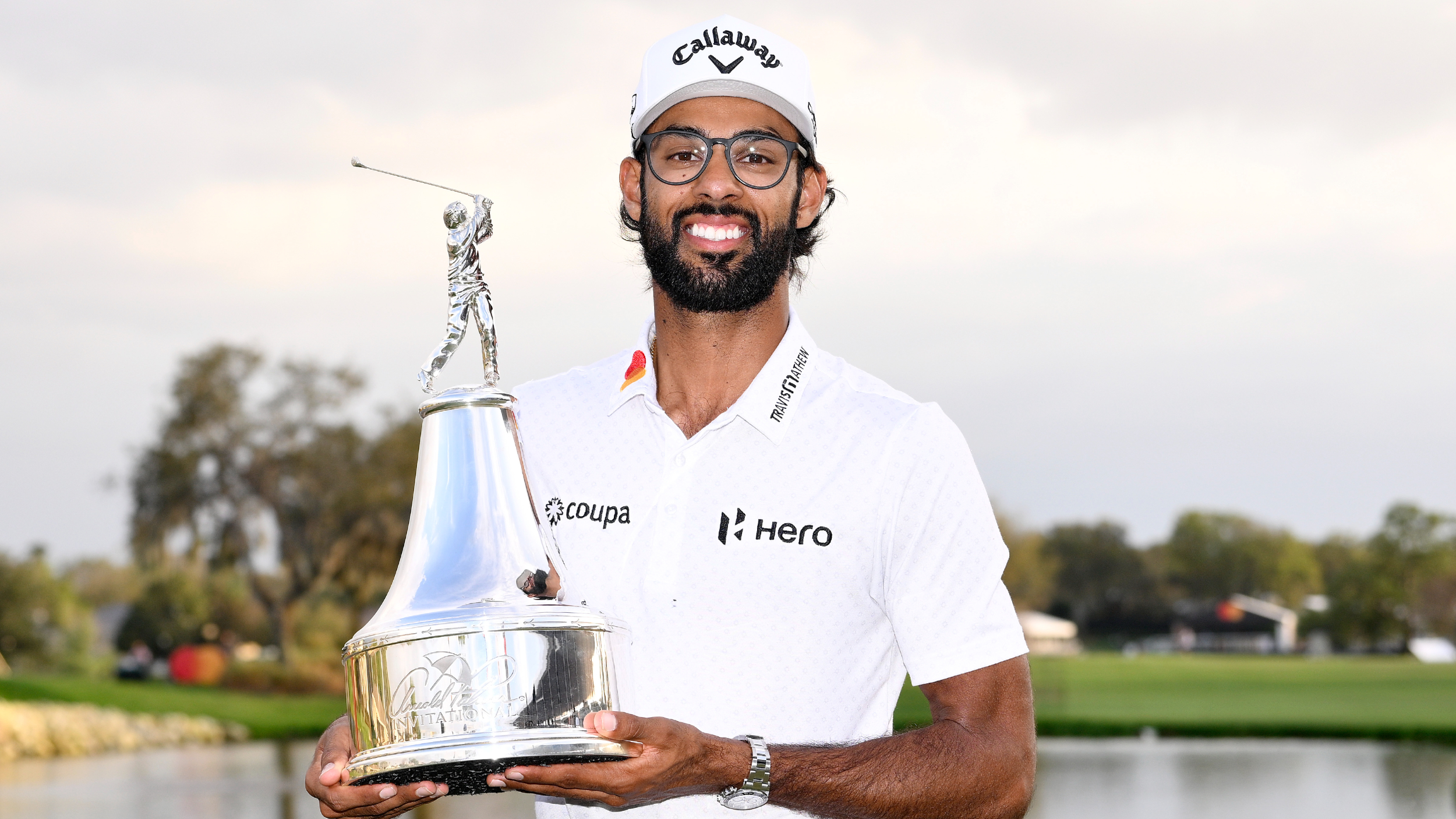
The kid won the Arnold Palmer Invitational in a playoff over Daniel Berger. That’s not a Tuesday qualifier win. That’s a statement victory on a course that demands precision and composure. And get this—he posted a record +16.3 strokes gained for his short game at Bay Hill, the best ShotLink has ever recorded. You don’t post numbers like that without possessing something special.
His 2026 record tells the story: Yeah, he started with two missed cuts, but since then it’s been brilliant. One win, a third-place finish, and a T16 as his worst showing. That’s exactly the trajectory of someone peaking at the right time. The Masters doesn’t care where you played the week before—it cares about your form and your mind.
The Left-Handed Advantage (Sort Of)
There’s an interesting subplot here worth mentioning. Left-handers have historically done well at Augusta National. The angles work differently for southpaws, and Augusta’s design, while brutal for everyone, offers certain strategic advantages for players swinging from the opposite side. Bhatia’s made the cut in both his Masters appearances, which is respectable for a young player still finding his footing in major championships.
What strikes me is that Bhatia hasn’t broken through at a major yet, but the foundation is there. Twenty-four years old, World No. 22, a tour victory under his belt, and now he’s testing himself on a genuinely difficult golf course away from the tour’s protective bubble. That’s exactly the kind of experience that separates good players from great ones.
The Mental Game on Display
“Glad I didn’t shoot 80.”
That’s not false bravado. That’s a player keeping perspective. After the morning he had, shooting 80 would’ve been almost forgivable. The fact that he recognized how close he came to complete disaster, then pivoted and played well, tells me his head’s in the right place for Augusta.
In my experience, the players who thrive at The Masters aren’t always the ones who shoot the lowest rounds in March. They’re the ones who’ve learned how to compartmentalize, who understand that golf is played over four days and eighteen holes at a time, and who’ve proven they can respond to adversity with something other than panic.
Bhatia still has work to do to make the cut in India, and he’ll need to get his scoring back to even par or better to feel really good about the trip. But if he plays all four rounds on this tough track? If he finishes this tournament having proven he can handle pressure and bounce back from disaster on a course that doesn’t care about your ranking?
That might be worth more to him at Augusta than another comfortable week in Texas.
