

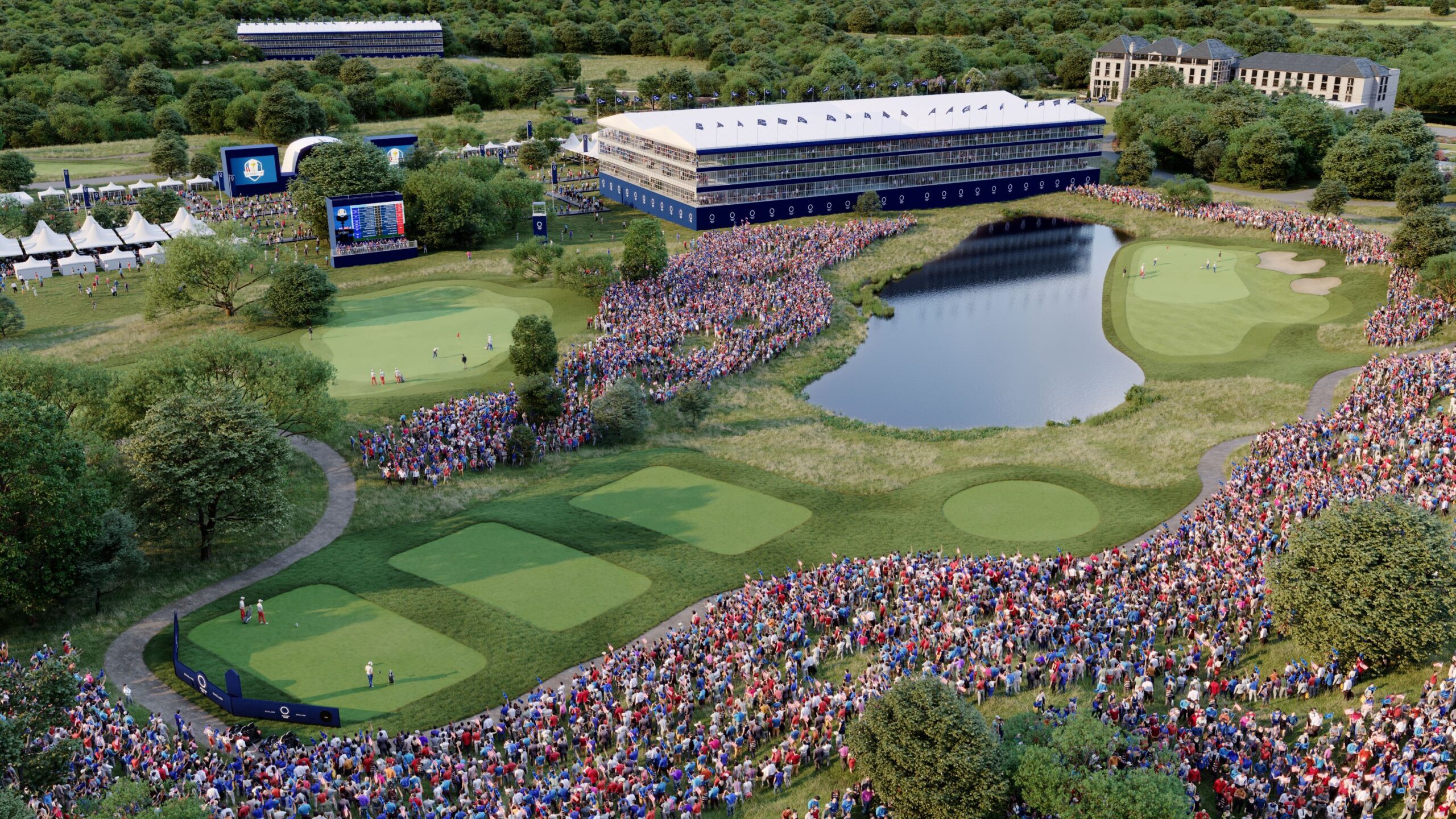

Northern England’s Ryder Cup Dream: Why Hulton Park Represents Golf’s Future—and Past
After 35 years covering this game, I’ve learned that the Ryder Cup bid cycle brings out something peculiar in golf governance: equal parts genuine ambition and wishful thinking. So when I read that Hulton Park in Bolton, England has set its sights on hosting the 2035 Ryder Cup, my first instinct was healthy skepticism. Then I looked at the details, and I realized something genuinely interesting is happening here.
Let me be clear about what we’re discussing. England hasn’t hosted the Ryder Cup since 2002, when The Belfry in the Midlands served as the stage for a European victory. That’s 33 years of waiting—well, technically 33 years if you count from 2002 forward. The point is, it’s been a long drought for English golf at the sport’s biggest team event. Two other English venues are bidding (The London Club and Luton Hoo), but Hulton Park has something the others don’t quite possess: a genuinely compelling regional story combined with serious financial backing.
What strikes me most about this bid isn’t just the golf course itself—though an unbuilt course designed specifically for the Ryder Cup is intriguing from a design perspective. It’s the £240 million infrastructure package that Greater Manchester Mayor Andy Burnham has attached to the proposal. In my experience covering tour events across multiple continents, I’ve seen how major sporting events can genuinely transform regions. The 1997 Ryder Cup at Valderrama in Spain didn’t just showcase that course; it elevated the entire Costa del Sol’s profile. This feels different in scale, though—this is regional regeneration dressed up in gallery ropes and red and blue uniforms.
“We’re deadly serious about it. We believe we can land [the Ryder Cup] and now it’s a case of putting in a firm bid next month and hopefully a decision soon.”
Burnham’s language here matters. He’s not talking about golf tourism. He’s talking about infrastructure, about the wider area’s development. The Hulton estate has sat largely neglected since the early 2000s—over 700 years of family ownership followed by decades of abandonment. That’s a missed opportunity if I’ve ever seen one, and frankly, it’s the kind of urban renewal project that major sporting events have historically catalyzed.
Now, let’s address the elephant in the room: Tommy Fleetwood’s support. As a three-time Ryder Cup competitor and a native of nearby Southport, Fleetwood carries real weight here. Having covered dozens of major competitions involving Fleetwood, I can tell you he doesn’t lend his name to projects casually. When he says:
“We have so much to offer, the people have a lot to offer, the infrastructure has a lot to offer, and I think it would be something that would be incredible. I’m totally in favour of it and would be happy to support as much as I can!”
…you get the sense this isn’t mere promotional speak. Fleetwood grew up watching English golf struggle internationally during the late 1980s and 1990s. He’s lived through the resurgence. Having someone of his stature and authenticity backing a regional project carries genuine credibility with international golf audiences and, more importantly, with Ryder Cup organizers.
The Competitive Landscape
Here’s where my three decades of golf experience kicks in: bidding for major events is about three things—course capability, infrastructure, and narrative. Luton Hoo has the narrative angle (the “Augusta of Europe” ambition is clever marketing), and The London Club has proximity to the capital. But Hulton Park has something more valuable: a concrete financial commitment and a regional hunger that hasn’t hosted the event in a generation.
The European Ryder Cup schedule through 2031 tells an interesting story. We’ve got Adare Manor in Ireland (2027) and Camiral in Spain (2031) already locked in. That leaves 2035 wide open—and frankly, after hosting in Ireland and Spain, returning to England makes geographic sense for the event’s European rotation.
What’s also worth noting: the United States has dominance through 2037, with Hazeltine, The Olympic Club, and Congressional hosting. American golf gets its due. But Europe’s getting two consecutive events beforehand, which suggests the governing bodies recognize the need to keep the Ryder Cup’s European interest engaged. Hulton Park’s bid lands in that sweet spot.
The Realistic Take
Will Hulton Park actually host the 2035 Ryder Cup? Honestly, it’s too early to say with confidence. Mayor Burnham’s assertion that this is “not pie in the sky” is encouraging, and the April bid submission deadline gives the project momentum. But I’ve seen ambitious bids falter before over design concerns, financial hurdles, or simple politics.
What I’m genuinely optimistic about is this: whether or not Hulton Park wins the bid, the conversation itself signals that English golf is thinking bigger. It’s thinking regionally, thinking about legacy, thinking about how a sporting event can matter beyond the scorecard.
In my years caddying for Tom Lehman back in the ’90s, I watched the Ryder Cup become something more than a tournament. It became a cultural event. Projects like Hulton Park understand that. They’re not just building a golf course—they’re building a memory. And in the Ryder Cup, that’s everything.
