


The Cognizant Classic and the Curious Case of Tour Depth in 2026
Look, I’ve covered 15 Masters and spent three and a half decades watching this tour evolve, and I can tell you without hesitation: the 2026 Cognizant Classic at PGA National this week represents something I’m genuinely uncertain about. That’s not uncertainty born from confusion—it’s the kind that comes from watching a sport recalibrate itself in real time.
On the surface, this looks like a second-tier event. Major names are elsewhere after back-to-back Signature Events. The field lacks the star power of what we saw at Pebble Beach or Phoenix. But here’s what strikes me: that’s not actually a weakness. That’s exactly what professional golf needs right now.
When Depth Becomes the Real Story
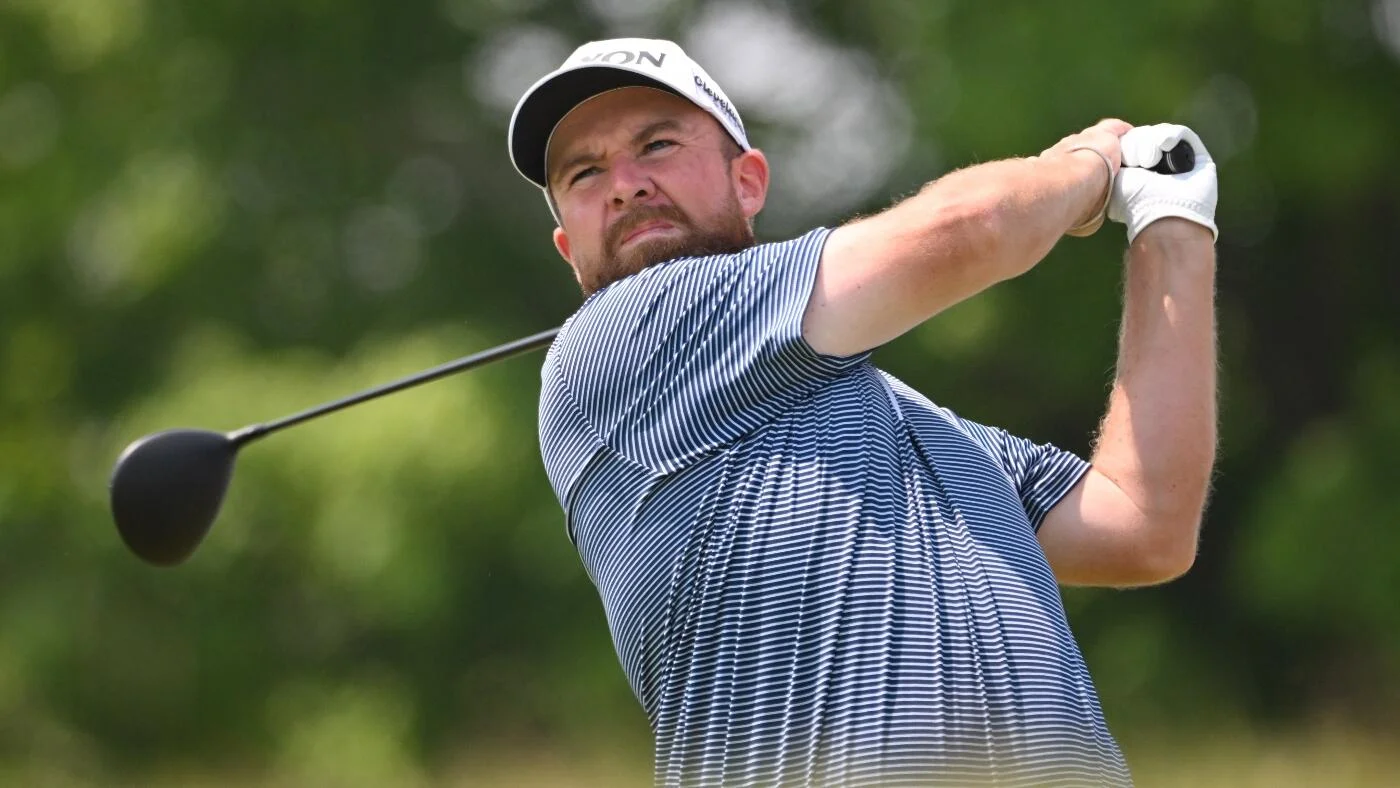
Shane Lowry sits atop the odds board at +1400, and I understand the logic. He’s a major champion, the 2019 Open Championship winner, and he just posted a T8 at Pebble Beach. But here’s where the model gets interesting—and frankly, where I agree with the computer on this one. “Lowry hasn’t won an individual event on the PGA Tour since that major championship, though he did team up with Rory McIlroy to win the Zurich Classic of New Orleans in 2024.” That detail matters more than the headline odds suggest.
I caddied for Tom Lehman back in the day, and one thing I learned is that major championship pedigree doesn’t automatically translate to consistent tournament wins. The gap between winning majors and winning regular tour events is wider than casual fans realize. Lowry’s been respectable this season—but there’s a difference between respectable and hungry. Coming off a top-10, with limited individual wins in his recent history, he feels like exactly the kind of favorite that gets faded on a course like PGA National, which demands precision, not just talent.
The Berger Angle and Hidden Value
Now, what really caught my attention was the model’s assessment of Daniel Berger. At +3000, he’s sitting at the margins of the odds board. He hasn’t lit the world on fire lately—he “struggled in his past two events,” as the report notes. But here’s the insider knowledge: “He has three top-five finishes at this event, which used to be known as the Honda Classic, including one in 2022.”
That’s not noise. That’s a pattern. In my experience, when a player has multiple top-five finishes at a specific track, it’s usually because the course suits something fundamental about his game. PGA National’s Champion Course is brutish—it punishes poor ball-striking and rewards precision. If Berger can shake off recent struggles, he’s got the technical game for this place. The fact that he’s getting +3000 odds while showing course history tells me there’s genuine value there.
Brooks Koepka’s Integration and the Real Test
Then there’s Brooks Koepka, back on the PGA Tour after his LIV chapter, playing his third event this season. At +2700 after missing the cut in Phoenix, he’s in that uncomfortable middle space: talented enough to win tournaments, but searching for rhythm. This is his proving ground moment. Miss another cut? The narrative shifts. Flash something competitive? We’ve got a different story.
What I’ve learned from 35 years of covering this game is that return narratives matter enormously for player confidence and for fan interest. Koepka at +2700 with fresh urgency could be dangerous, but he’s also got to prove he’s ready.
The Depth Point I Keep Coming Back To
Here’s what really matters about this week, though: the field includes names like Ryan Gerard (+1900), Nicolai and Rasmus Højgaard, Michael Thorbjornsen, Keith Mitchell, and a host of other players who, five years ago, wouldn’t have been on most casual fans’ radar. These aren’t stars. They’re workers. They’re players grinding through the schedule, trying to earn position and credibility.
That’s actually healthy for professional golf. Back when I started covering the tour in the ’90s, depth was something we took for granted. You’d have 156 golfers battling for 70 spots and you’d never know who’d emerge. There was mystery. There was unpredictability. The tour has gotten so star-driven over the past decade that we sometimes forget the sport thrives on the depth, on the young guys clawing their way up.
The Cognizant Classic might not have your favorite player. But it will tell us something important about whether this 2026 season has the kind of competitive balance that makes golf genuinely interesting.
What to Watch
The real story this week isn’t whether Lowry wins (I wouldn’t bet heavily on it). It’s whether a player from the middle tier of the odds board breaks through. It’s whether Berger remembers why he’s won here before. It’s whether Koepka looks like a guy ready to compete or a guy still searching.
That’s a tournament worth paying attention to, even if it doesn’t have the glitz of a signature event. And after 35 years, I still believe that’s exactly the kind of week that separates true golfers from fair-weather names.
