


The Cognizant Classic Field Tells Us Everything About Golf’s New World Order
Listen, I’ve been around this tour long enough to know that what *doesn’t* happen at a tournament can be just as telling as what does. So when I looked at the 2026 Cognizant Classic field rolling into PGA National this week, the first thing that struck me wasn’t the names in the field—it was the names conspicuously absent from it.
We’re coming off two back-to-back Signature Events, and frankly, that scheduling has created a dividing line in professional golf that’s more stark than anything I’ve witnessed in my 35 years covering this game. The big names have either moved on to rest, chase other opportunities, or they’re simply exhausted. What we’re left with at the Cognizant is a genuinely open tournament—and I think that’s both a warning sign and an opportunity for the PGA Tour to figure out who it actually is in 2026.
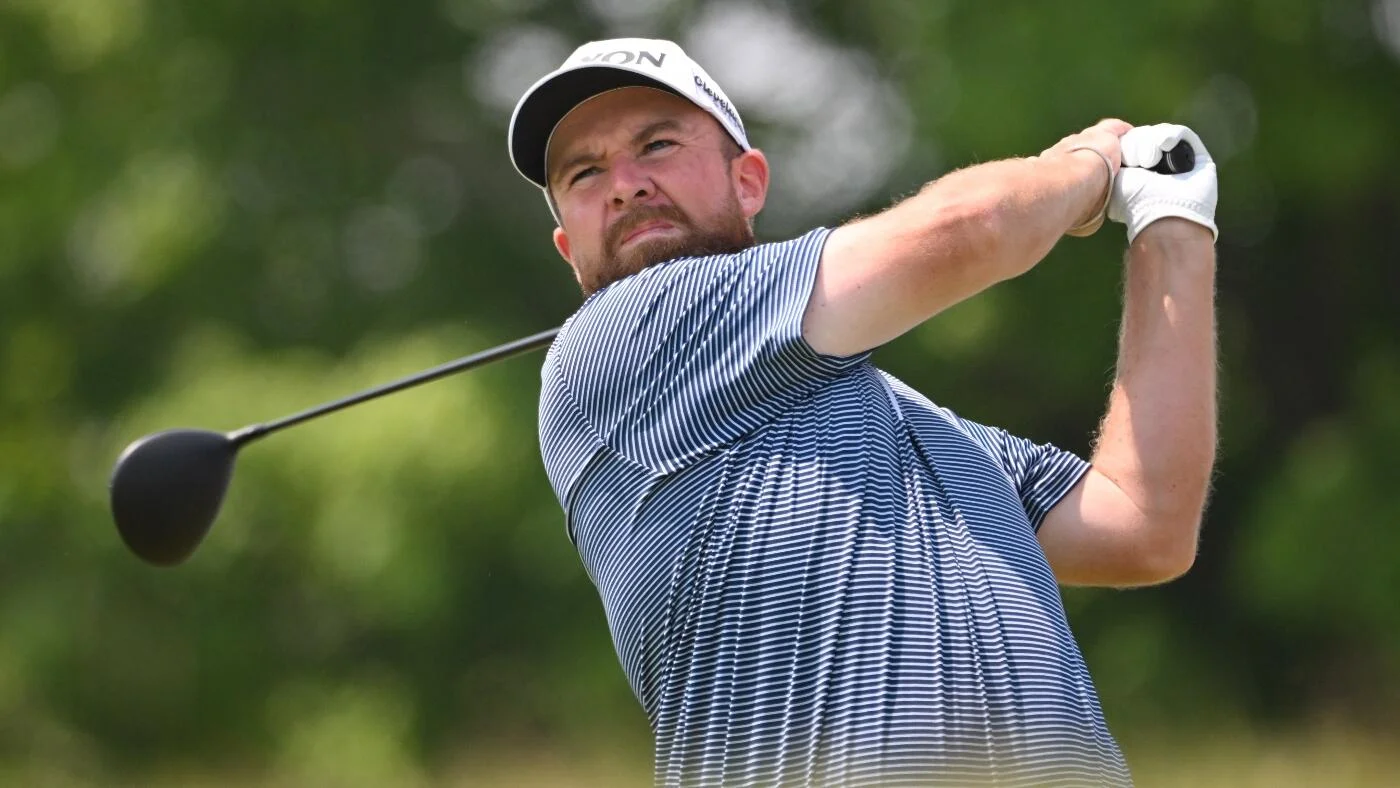
The Shane Lowry Paradox
Let me start with something that surprised me when I first read it: “Lowry, the co-favorite favorite this week and the 2019 Open Championship winner, doesn’t even crack the top 3. He’s a golfer to fade this week.”
Now, Lowry sitting at +1600 co-favorite odds makes intuitive sense. He’s a major champion, he finished T8 at Pebble Beach, and he’s got that Zurich Classic win with Rory McIlroy in 2024 on his resume. But here’s what troubles me—and I think the predictive model is onto something: Lowry hasn’t won an individual PGA Tour event since 2019. That’s seven years. In my experience, once a player’s individual win drought extends that long, there’s usually something deeper going on. It’s not always talent. Sometimes it’s confidence, sometimes it’s the mental grind of competing week-to-week without that individual victory to sustain you.
What strikes me most is that Lowry’s T8 at Pebble was his first top-10 finish since May 2025. That’s a significant drought for a player of his caliber. The tour has changed around him, and I’m not entirely sure he’s kept pace.
Daniel Berger’s Redemption Arc Is Real
On the flip side, “The model is extremely high on Daniel Berger as a +2700 longshot, saying he’s a top-six contender despite not being in the top 10 on the odds board.”
This is where I get genuinely excited about a tournament. Berger’s had his struggles—his past two events haven’t been pretty—but here’s something the casual bettor might miss: Berger has three top-five finishes at this event when it was still the Honda Classic. PGA National suits certain players, and Berger’s game—that controlled aggression, the way he manages the rough—plays here.
In my three decades covering the tour, I’ve seen plenty of players written off too quickly when they’ve actually got the game to win at specific courses. Berger’s pair of top-20 finishes this season at Sony and Phoenix tells me he’s closer than his recent results suggest. Sometimes all it takes is one tournament where the course fits, the weather cooperates, and a player remembers what winning feels like.
The Koepka Question Lingers
Having caddied in the professional ranks back in the Tom Lehman days, I know what it’s like when a player is trying to prove something. Brooks Koepka, sitting at +2700 after missing the cut at Phoenix, is in that exact position. He’s three events into his PGA Tour return, and he’s already had a missed cut. That’s the kind of result that either sharpens a player’s focus or starts to unravel his confidence.
What I’m watching with Koepka is whether he can thread the needle between proving he’s still elite and actually allowing himself to compete without that constant weight of validation. Sometimes the guys who come back from the LIV break do best when they just… play golf. Not prove anything. Just play.
What This Field Says About Tour Depth
Here’s the thing that genuinely fascinates me about this week: The field is genuinely deep and competitive despite being missing “many big names,” as the article notes. Look at the odds board. We’ve got Ryan Gerard and Lowry at +1600, sure, but then you’ve got four or five other players within +2700 who could legitimately win this tournament.
The Højgaard brothers, Michael Thorbjornsen, Keith Mitchell—these aren’t household names for casual fans, but they’re legitimate touring professionals who can compete. That speaks to the health of the tour’s depth. It also suggests that in this new era, with the Signature Events, with LIV players coming and going, the PGA Tour is becoming more of a true meritocracy week-to-week. There’s no guaranteed star power. You show up, you play, and we find out who’s best.
Is that a downgrade from a promotional standpoint? Maybe. Does it make for less compelling television? Possibly. But from a competitive purity standpoint, it’s actually kind of refreshing. This week at PGA National isn’t about who’s the biggest name. It’s about who plays the best golf.
That’s still the game, after all these years.
