


The Cognizant Classic’s Hidden Narrative: Why This Week Matters More Than the Odds Suggest
The PGA Florida Swing kicks off Thursday at PGA National, and I’ve got to tell you—after 35 years of covering this tour, there’s something fascinating happening beneath the surface of this week’s betting lines that most casual observers are going to miss entirely.
Sure, Shane Lowry sits at +1600 as the favorite, with Adam Scott and Ryan Gerard following at +1900 each. On paper, it looks like a conventional week where the usual suspects are expected to perform. But here’s what’s really worth paying attention to: this tournament is shaping up as a genuine proving ground for redemption arcs, mid-season recalibrations, and the kind of competitive depth that actually makes professional golf interesting.
When the Favorite Isn’t the Story
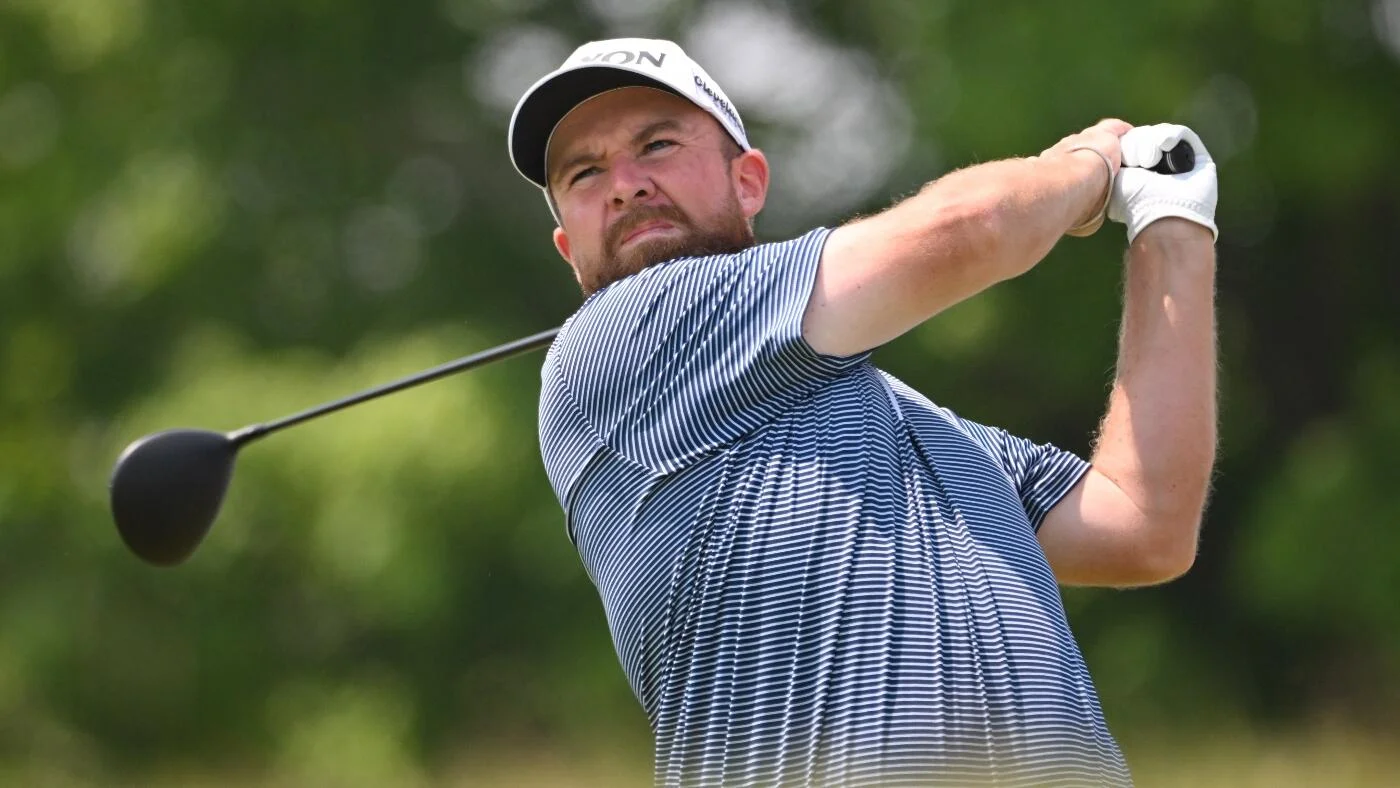
Let me start with something that jumped out at me immediately. According to the SportsLine model, "Lowry, the favorite this week and the 2019 Open Championship winner, doesn’t even crack the top 3. He’s a golfer to fade this week."
Now, that’s not exactly shocking if you’ve been paying attention to Shane’s recent form. But what is noteworthy is what it represents: the PGA Tour in 2026 is remarkably unforgiving to players trying to coast on major championship pedigree. Lowry hasn’t won an individual event on the PGA Tour since that Open Championship victory seven years ago. He’s had the Zurich Classic with Rory in 2024, sure, but individual victories? Those have dried up. His T8 at Pebble Beach earlier this month marked his first top-10 in nearly a year.
In my experience, when a player of Lowry’s caliber starts seeing their odds as favorites despite ongoing form concerns, the market is often just being nostalgic. The computer model here seems to be onto something real.
The Brooks Koepka Subplot
What strikes me most about this field is Brooks Koepka’s presence at +3000 after missing the cut at the WM Phoenix Open. Now, I’ve followed enough of Brooks’s career to know he’s a streaky player—brilliant when he’s locked in, quietly ineffective when he’s not. But the fact that he’s playing in his third event since rejoining the PGA Tour tells me something important: there’s still work to be done in his re-integration.
Missing the cut last week wasn’t a disaster, it was a data point. The real question is whether the Cognizant Classic—a tournament that, historically, has rewarded ball-strikers with course knowledge—can be a springboard back to relevance. At his current odds, he’s a live underdog. Whether he cashes that ticket is another matter entirely.
The Longshot Thesis That Actually Makes Sense
Here’s where the SportsLine analysis gets genuinely interesting. The model is extremely bullish on Daniel Berger as a +3300 longshot, positioning him as a top-six contender despite not cracking the top 10 in the odds board.
Now, Berger’s recent results haven’t been pretty—he’s struggled in his last two events. But here’s the context that matters: he has three top-five finishes at this venue (formerly the Honda Classic), including one as recently as 2022. That’s exactly the kind of course-specific equity that tends to resurface when a player returns to familiar territory, especially early in the season when rust is still being shaken off.
The model is also targeting four other longshots with odds of +3000 or higher as legitimate top-10 threats. In my three decades around professional golf, I’ve learned that computer models built on massive sample sizes often spot things human oddsmakers miss—particularly when those longshots have historical success at specific venues.
What This Field Actually Tells Us
The absence of some top names following two Signature Events is being framed as a weakness in this field. I’d push back gently on that narrative. Yes, the heavyweights aren’t all here. But what is here is a collection of hungry mid-tier professionals, proven major winners trying to find their form, and specialists who understand this particular test.
PGA National’s Champion Course is a ballbuster—it doesn’t reward casual golf. It rewards precision, patience, and players who’ve either studied it carefully or know it in their bones. That actually makes this week more interesting competitively, not less.
The Bigger Picture
What I’m seeing this week is a tour in transition. The Signature Events are reshaping which tournaments function as true tests versus tune-ups. The Cognizant Classic, for all intents and purposes, has become a second-tier event by default—not because it’s any less difficult, but because the marquee names are managing their schedules more carefully.
That opens the door for exactly the kind of narrative this week could produce: a breakthrough performance from a mid-level player, a redemption arc, or a veteran reminding everyone they’re still dangerous. Those stories matter to the health of professional golf, even if they don’t draw the casual eyeballs of a Masters or U.S. Open.
The odds board at FanDuel is telling you one story. The computer model is whispering something entirely different. My money—metaphorically speaking, of course—is with the model on this one. This is a week where the favorites underperform and the overlooked overachieve.
That’s been my experience, anyway. We’ll know by Sunday.
