

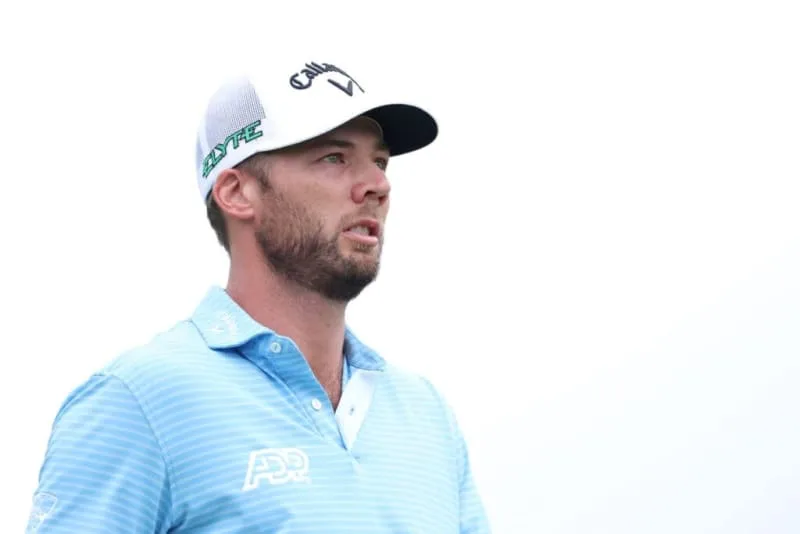

Sam Burns’ Pebble Beach Moment: When Playing It Safe Costs Everything
I’ve been around professional golf long enough to know that the smallest decisions often reveal the biggest truths about a player’s character. Last week at Pebble Beach, Sam Burns made one of those decisions—and I think it tells us something important about where his game stands right now.
Let me be clear: a tie for sixth is a respectable finish. In 35 years covering this tour, I’ve seen plenty of players who’d trade their clubs for consistent top-10 results. But this wasn’t just any top-10. This was a moment where Burns had a legitimate chance to win, and the way he handled it—or didn’t handle it—raises legitimate questions about his competitive mindset.
The Setup and the Moment
Burns arrived at Pebble’s signature par-five 18th just two shots behind clubhouse leader Min Woo Lee. Eagle would’ve put him in a playoff. Par would leave him exactly where he finished. This was a situation tailor-made for a player of his caliber: excellent putter, elite short game, five PGA Tour wins already in his resume. The kind of moment where champions separate themselves.
Instead, he grabbed an iron off the tee.
Now, before anyone accuses me of Monday-morning quarterbacking, let me acknowledge the reality. Pebble’s 18th is an intimidating tee shot. The wind was up. Burns bunted one right into the sand anyway. He walked away with par, finished tied for sixth, and we all moved on to the next event.
But Johnson Wagner, watching from the broadcast tower, saw something that stuck with him—and frankly, it’s stuck with me too.
“So you have a chance to make eagle and have a chance to win this golf tournament, and as soon as he pulled iron, that chance became zero.”
That’s the thing about pulling the club down. It’s not just tactical. It’s psychological. Wagner didn’t mince words about what he observed either:
“I’m not gonna say it was a financial decision, but it sure felt that way.”
Context Matters—But So Do Results
In my three decades covering the tour, I’ve learned that context is everything. Burns is still young. He’s got time. He’s a tremendous putter, perhaps the best on tour. When he’s clicking, he can make runs at anyone.
But here’s where I think we need to be honest: young is wearing thin as an excuse.
Burns’ major championship record is stark: 22 appearances, two top-10 finishes, and seven missed cuts. Compare that to his tour record—five wins, consistently in contention—and you’ve got a real gap. There’s a difference between playing well on the PGA Tour, which he does regularly, and playing your best when everything matters most. That’s where the disconnect appears.
The Pebble Beach moment felt like a microcosm of that larger issue. When Collin Fleetwood—who was in the same grouping—stepped up and ripped a three-wood down the left side just moments earlier, he gave himself a genuine chance. Wagner’s observation about the wind picking up and Burns’ discomfort is crucial here. What we’re talking about isn’t just strategy. We’re talking about temperament under pressure.
The Bigger Picture
I want to be careful not to overstate this. One conservative tee shot doesn’t define a career. Burns has proven he’s a quality PGA Tour player. Five wins is real. He belongs in tournaments he enters.
But—and this is important—there’s a difference between belonging and dominating. The players who win majors, who rack up double-digit PGA Tour victories, who become household names? They tend to make different decisions on 18th holes when championships are on the line.
In my caddie days working with Tom Lehman, I watched Tom make dozens of aggressive decisions in crucial moments. Some worked, some didn’t. But he never played for anything less than the win. That’s the mentality that separates winners from perpetual contenders.
The question Burns needs to ask himself isn’t whether he can make putts—he clearly can. It’s whether he’s willing to embrace the discomfort of aggressive play when it matters most. Pulling an iron when you’ve got a driver in your bag is playing not to lose rather than playing to win. At his level, that’s a luxury he can’t afford.
Forward Motion
Here’s the optimistic take: Burns is 27 years old. He’s self-aware enough to know when he’s not performing at his peak. He’s got the talent level to win majors—real majors, not just regular tour events. What he needs is to embrace those moments rather than manage them.
One iron tee shot doesn’t define a career. But patterns do. And right now, his major championship record and decisions like the one at Pebble Beach are creating a pattern worth watching.
The tour’s full of talented players. The ones who matter long-term are the ones who trust their talent when it counts most.
