


The 2026 Masters: When Form Meets Pedigree, Someone’s Going to Get Surprised
I’ve been covering this sport for 35 years, and I’ve learned one immutable truth about Augusta National: form is temporary, but the golf course’s demands are eternal. As we look ahead to April’s Masters 2026, we’re staring at one of the most fascinating talent pools I’ve seen in years—and also one of the most unpredictable.
Let me be blunt: this tournament is shaping up to be a lot messier than the odds suggest.
The Favorite’s Troubling Slide
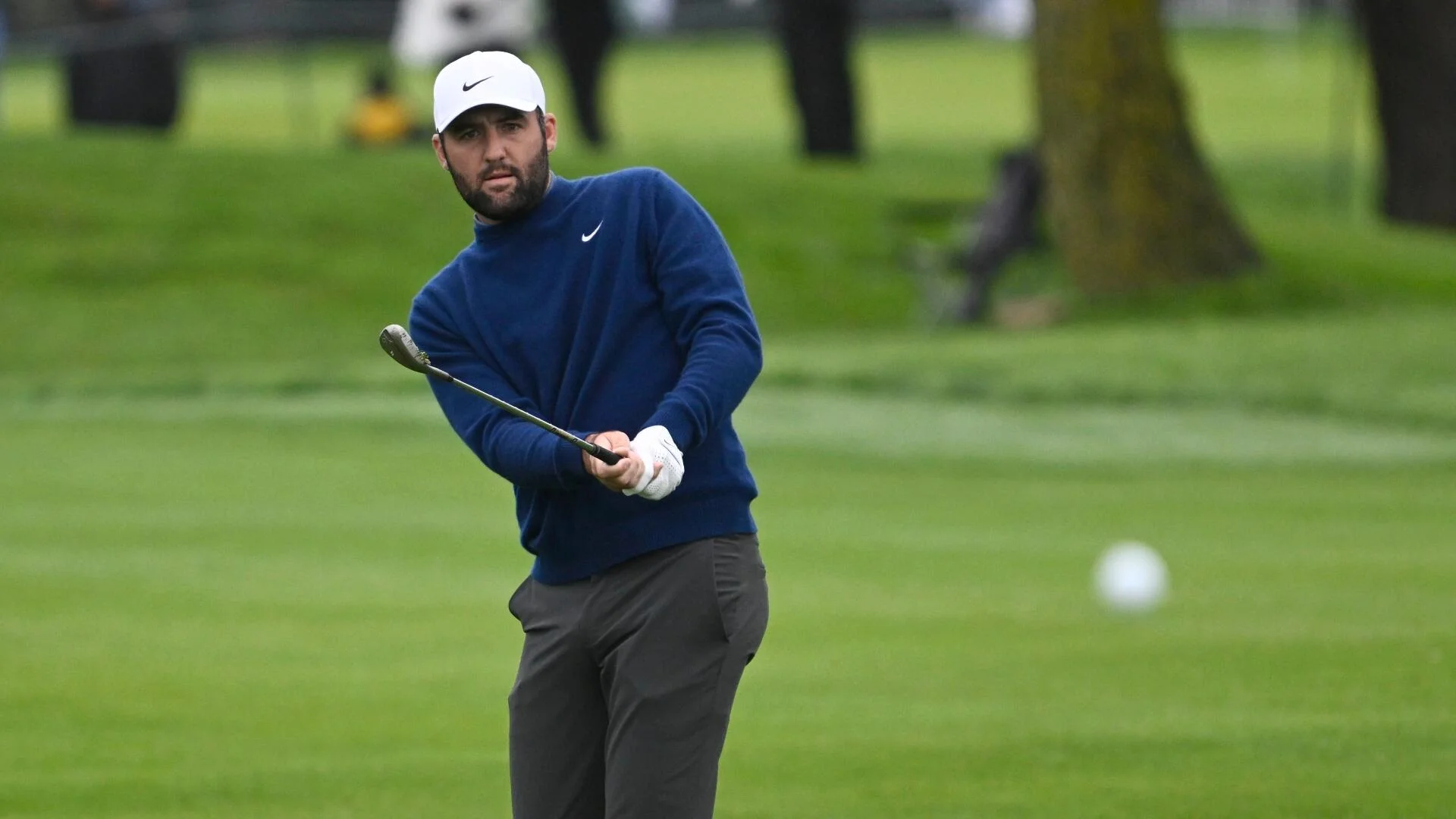
Scottie Scheffler comes in as the overwhelming +480 favorite, and on paper, it makes sense. The man has won two green jackets, won majors last season, and has been the best player on the planet for stretches. But here’s what concerns me after three decades watching this game: his recent form is genuinely alarming.
"Scheffler won his first start of 2026 and then had top fives in his next two, but he fell outside the top 10 in his ensuing start before not even placing in the top 20 in his last two starts. He then withdrew from the Houston Open, robbing him of potentially his last tune-up before the Masters 2026."
When I was caddying for Tom Lehman back in the ’90s, we learned that withdrawing from your final prep event is rarely a sign of confidence—it usually means something physical or mental needs addressing. Scheffler’s recent trajectory looks like a man trying to find something he’s lost. That’s not to say he can’t win; champions recalibrate all the time. But I’d be cautious about chalking up another green jacket to the favorite at these odds.
McIlroy’s Curious Position
Now, Rory McIlroy at +1000 is genuinely fascinating to me. His 2025 Masters victory was the crowning achievement of his career—we all know that story—but here’s the thing that keeps me up at night analyzing this:
"Not only was last year’s victory the crowning achievement of McIlroy’s career, but it was his first major victory in 11 years. This year, his long game metrics are strong as he boasts top-5 rankings in strokes gained: total, SG: tee-to-green and SG: off-the-tee, but he’s lagging on the greens by ranking outside the top 100 in SG: putting."
Do you see the contradiction here? McIlroy’s hitting fairways and greens as well as he ever has, but he can’t make a putt to save his life. For a guy who just won Augusta by controlling the pace and line around the greens, that’s not just a statistical blip—that’s a red flag. The mental side of putting, especially after an 11-year drought between majors, can be fragile. If he can’t find the stroke that got him through last April, he’s vulnerable despite those beautiful tee-to-green numbers.
The Jon Rahm Conundrum
Here’s where I’m going to take a position that might surprise some of you: I think Jon Rahm at +1300 is being properly priced, and that’s actually refreshing in a market that often gets carried away with names.
"Rahm (+1300), the 2023 Masters champion and one of this year’s favorites, stumbles and doesn’t even crack the top five of the leaderboard. That 2023 victory is the Spaniard’s only top 10 over his last four starts at Augusta, and he followed it up with a 45th (2024) and then a 14th-place finish (2025). On majors as a whole, Rahm hasn’t been in the best of form, with just one top five over his last 10 major starts, as opposed to four finishes 34th or worse."
Look, one Masters win doesn’t give you lifetime equity at Augusta. I’ve watched enough champions try to defend their crowns or recapture magic to know that recent form matters more than past glories. Rahm’s trajectory at Augusta is concerning—one great week sandwiched between some genuinely rough performances. That’s not the pattern of someone who’s figured out the golf course.
The Wide-Open Field
What strikes me most about this 2026 field is how many legitimate contenders there are beyond the chalk names. Ludvig Aberg at +1100 searching for his first major? Xander Schauffele and Bryson DeChambeau both at +1600? These aren’t longshots hoping for lightning—these are elite players with the complete games Augusta demands.
I’ve been in enough press rooms and caddyshacks to know that when you see this kind of talent distribution, with no one player having truly dominant recent form, you’re looking at a tournament that will likely be decided by who handles the mental pressure best and who gets the right bounces.
The 2026 Masters field represents something I don’t see as often anymore: genuine uncertainty. That’s healthy for the sport. It means we’re not just watching to confirm what we already expect—we’re watching to be surprised.
And at Augusta, surprises are always worth the price of admission.
